Feline Hyperthyroidism
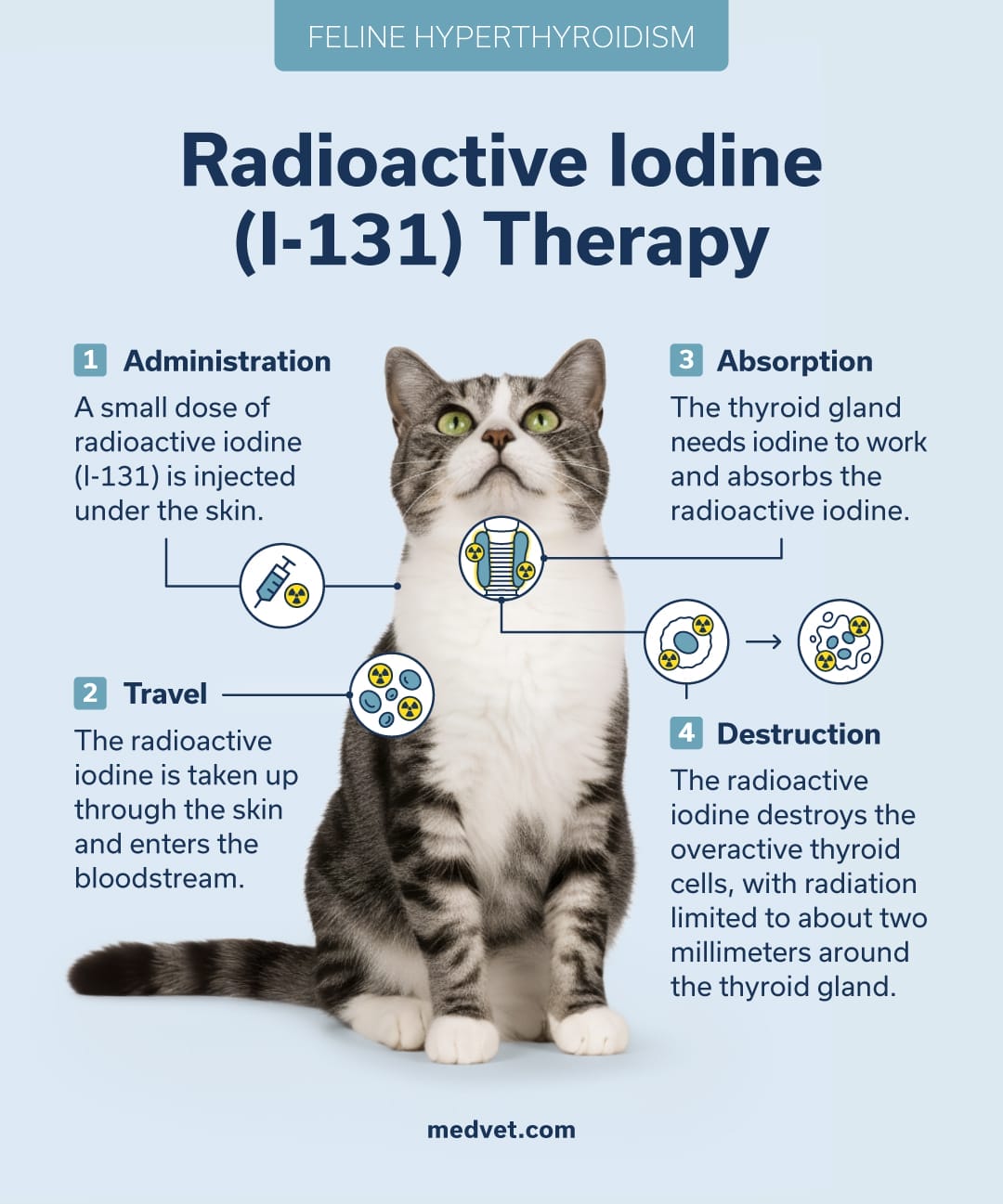
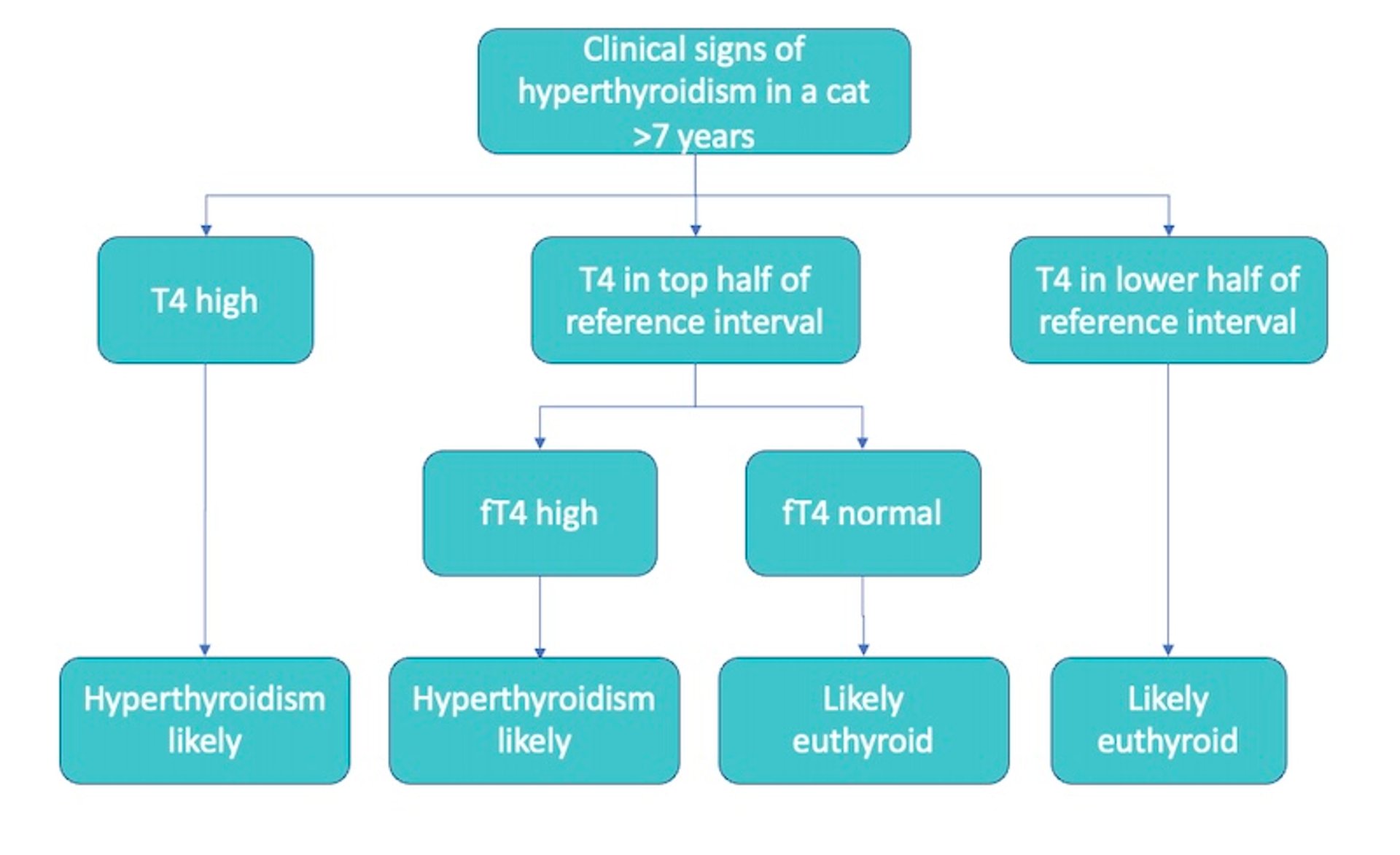
Hyperthyroidism can mask renal insufficiency and overt renal disease can be precipitated by treatment of hyperthyroidism . Hyperthyroidism can be confirmed by the demonstration of increased thyroidal radioisotope uptake (131 I or 99m T c O 4).
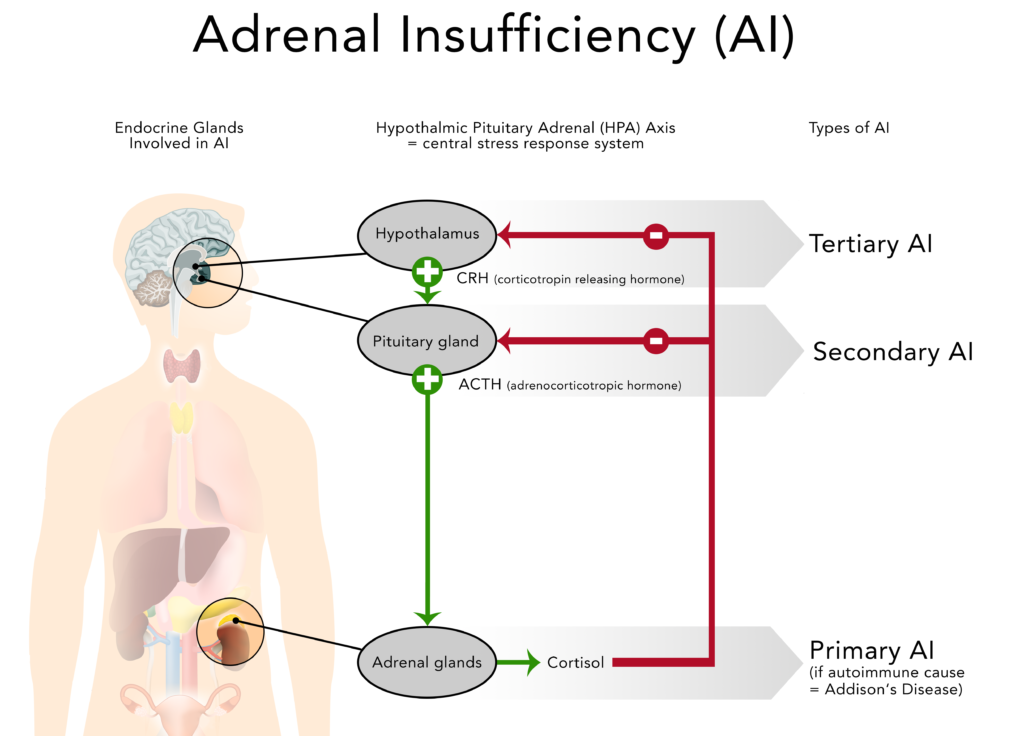
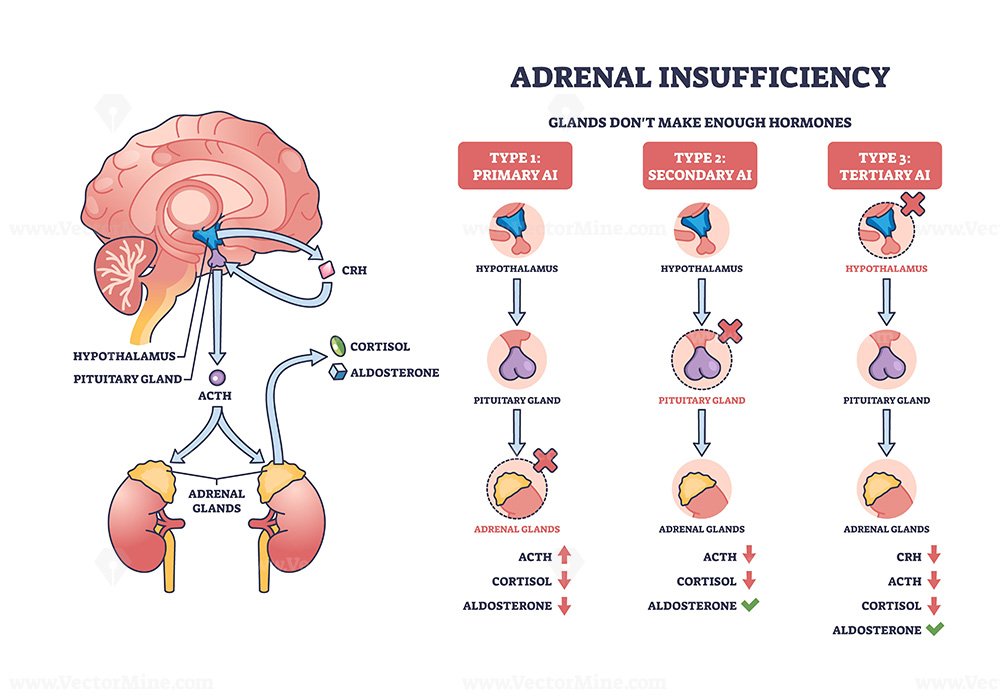
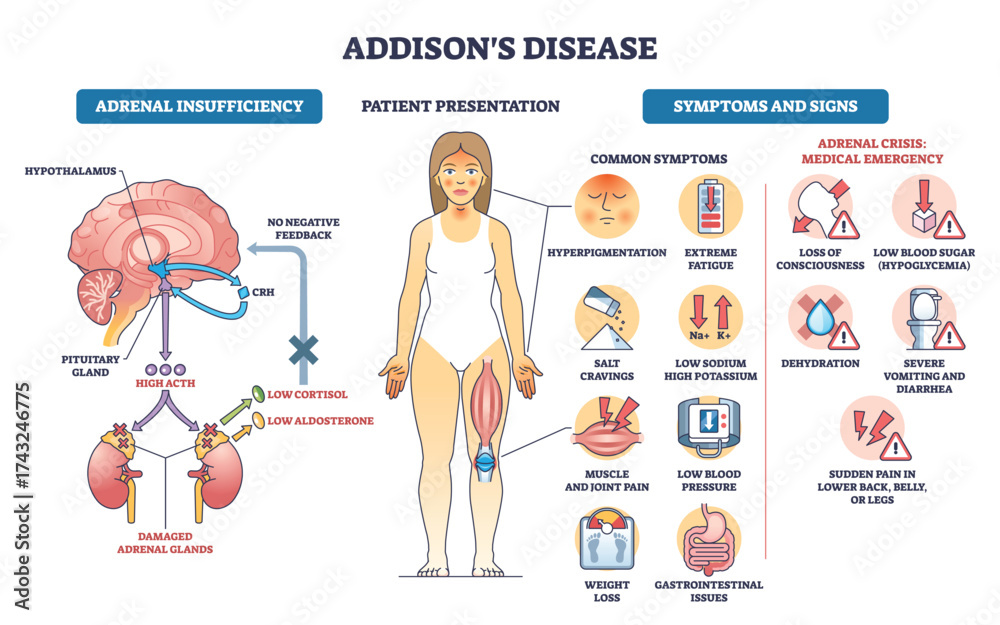
Adrenal function may be altered in animals with hyperthyroidism . The aim of the study was to assess adrenal function of hyperthyroid cats (n = 17) compared to healthy cats (n = 18) and cats with chronic diseases (n = 18).
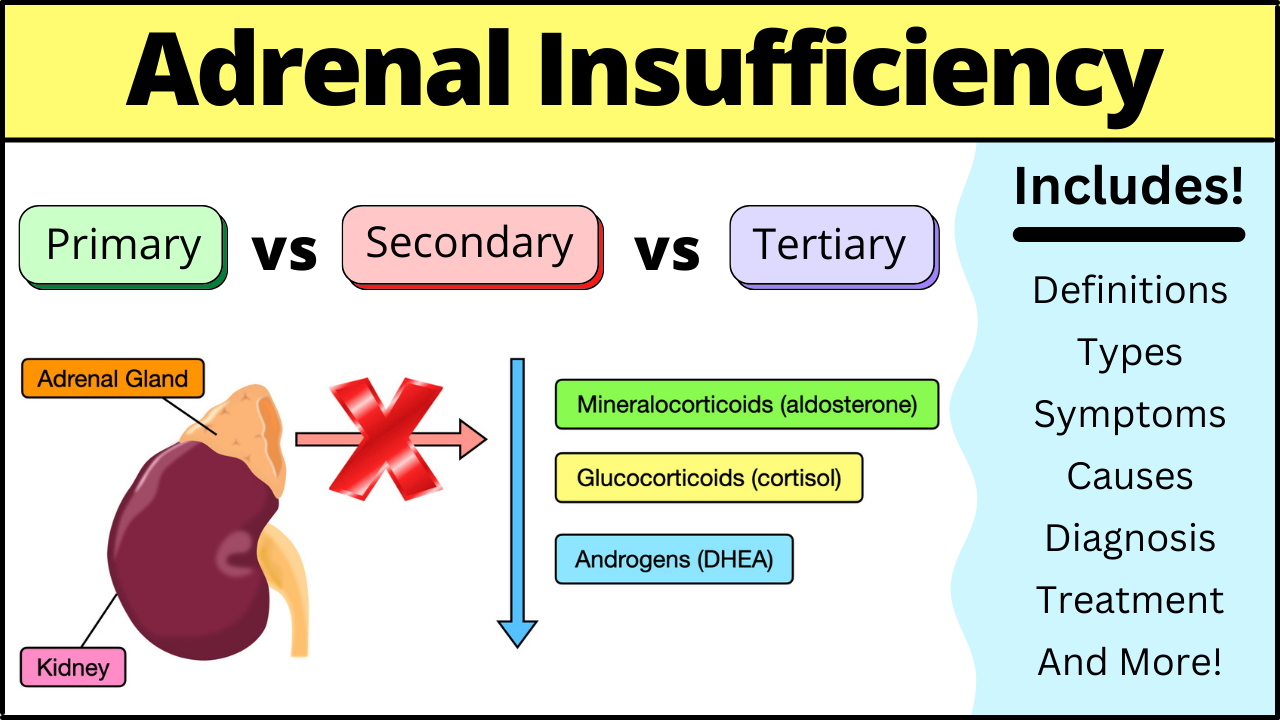
Adrenal function in cats with hyperthyroidism
Adrenal function may be altered in animals with hyperthyroidism . The aim of the study was to assess adrenal function of hyperthyroid cats (n = 17) compared to healthy cats (n = 18) and cats with chronic diseases (n = 18).

Moving forward, it's essential to keep these visual contexts in mind when discussing Adrenal Insufficiency And Feline Hyperthyroidism.
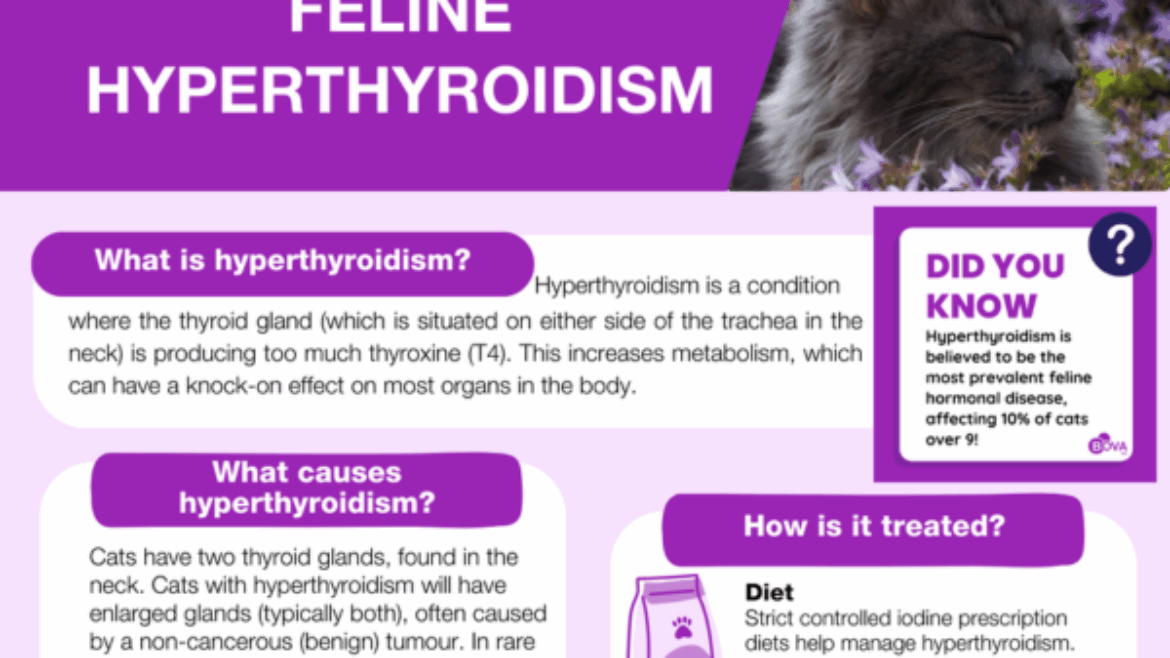
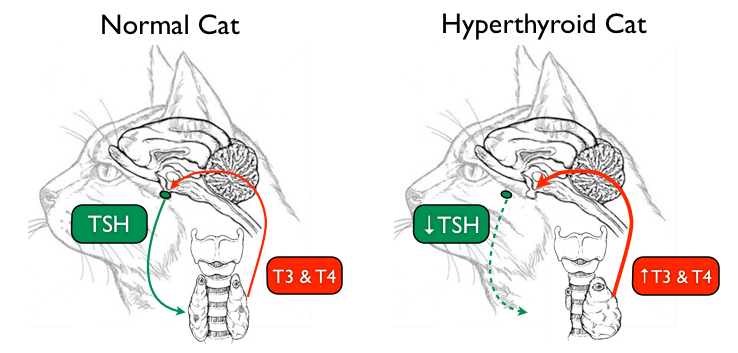
A prescription diet with severely restricted iodine levels can be used to manage feline hyperthyroidism . The basis is that iodine is an essential component of both T4 and T3, and without sufficient iodine, the thyroid cannot produce excess thyroid hormones.
To the best of our knowledge, this is the first reported case of feline adrenal hyperplasia causing possible non-aldosterone mineralocorticoid excess, but a definitive cause of the adrenal hyperplasia is unknown.
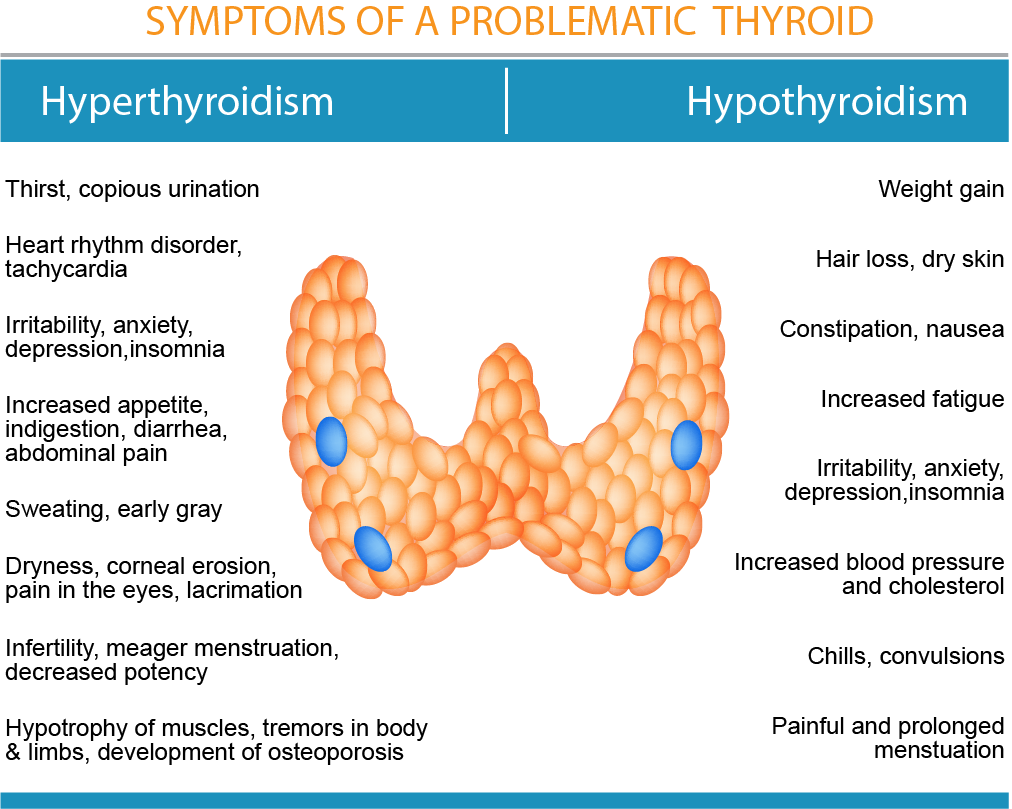
Furthermore, visual representations like the one above help us fully grasp the concept of Adrenal Insufficiency And Feline Hyperthyroidism.
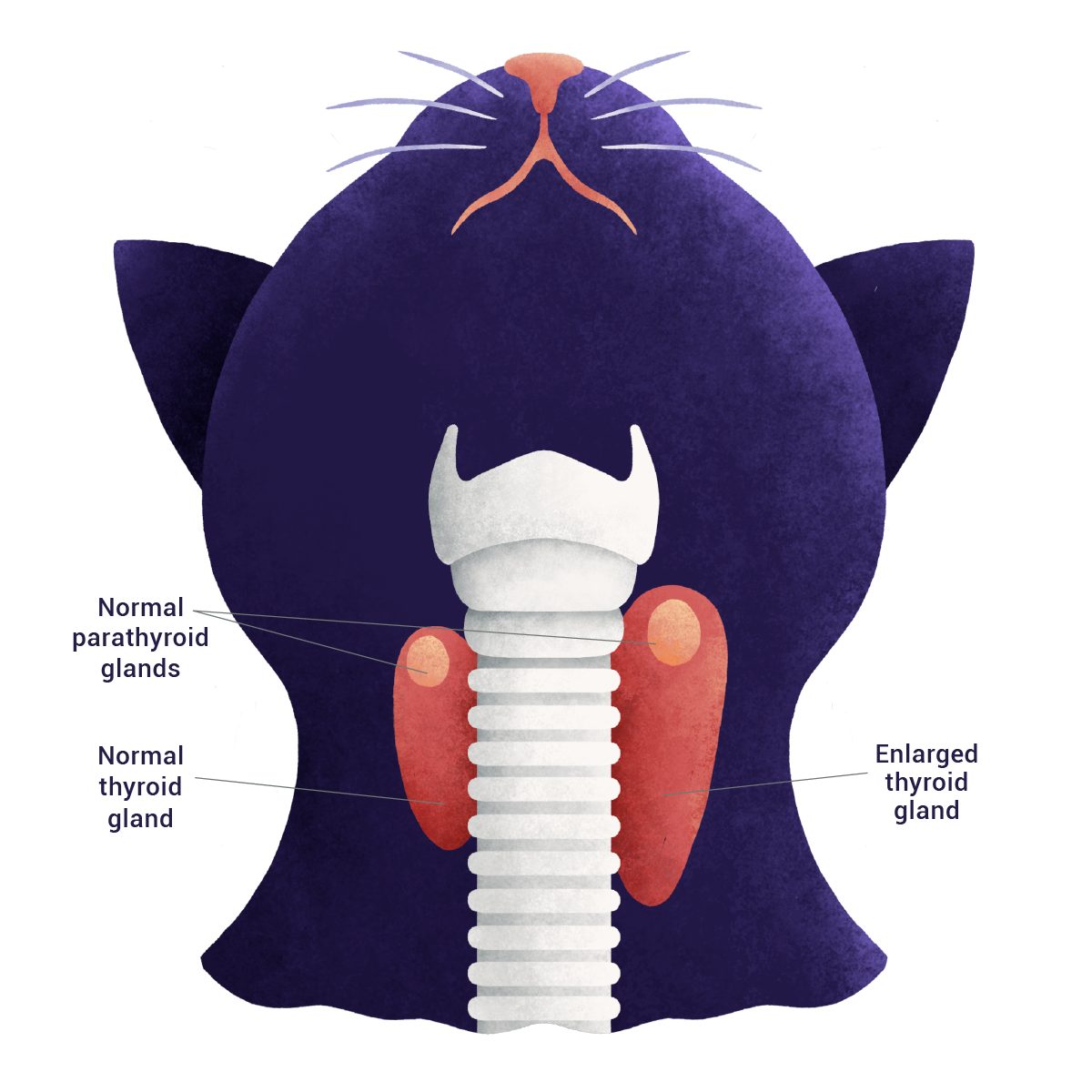
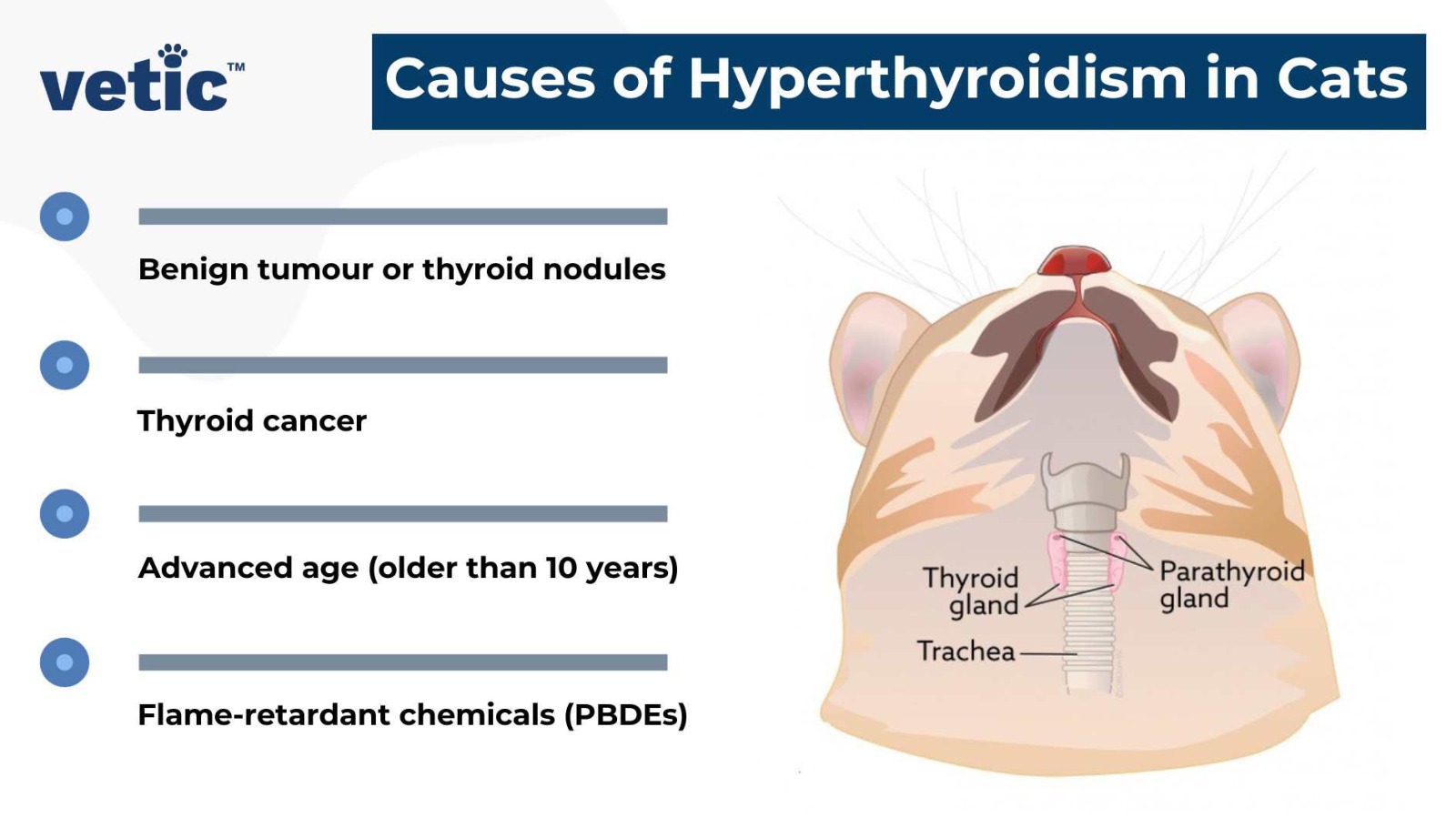
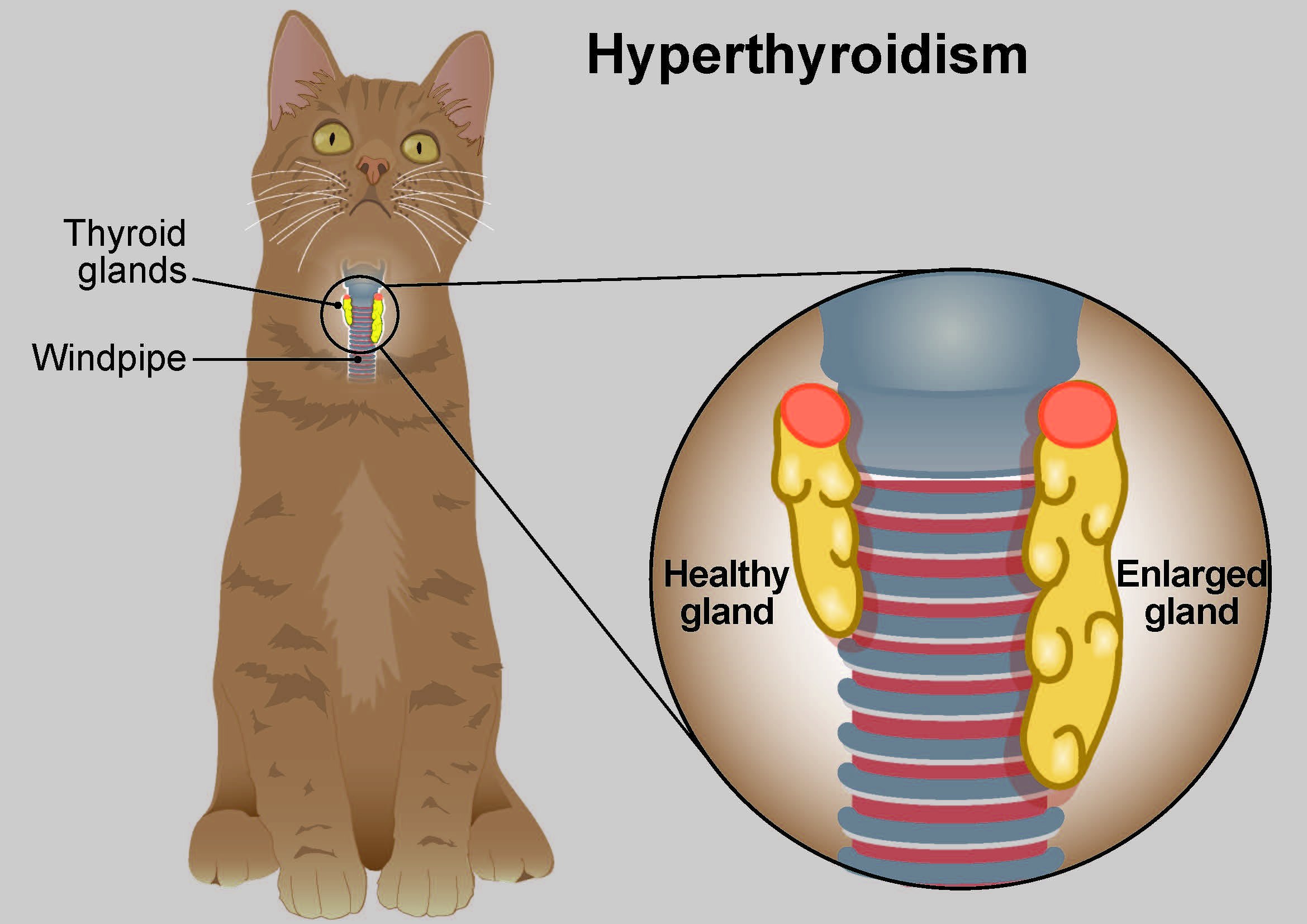
Although the cause of feline hyperthyroidism is not known, possible contributing factors include deficiencies or excesses of certain compounds in the diet and chronic exposure to thyroid-disrupting chemicals in food or the environment.