The Ultimate Collection: Appetite-Suppression-Effect-Of-Glp-1-Receptor-Agone Captured on Camera
Mechanisms of GLP
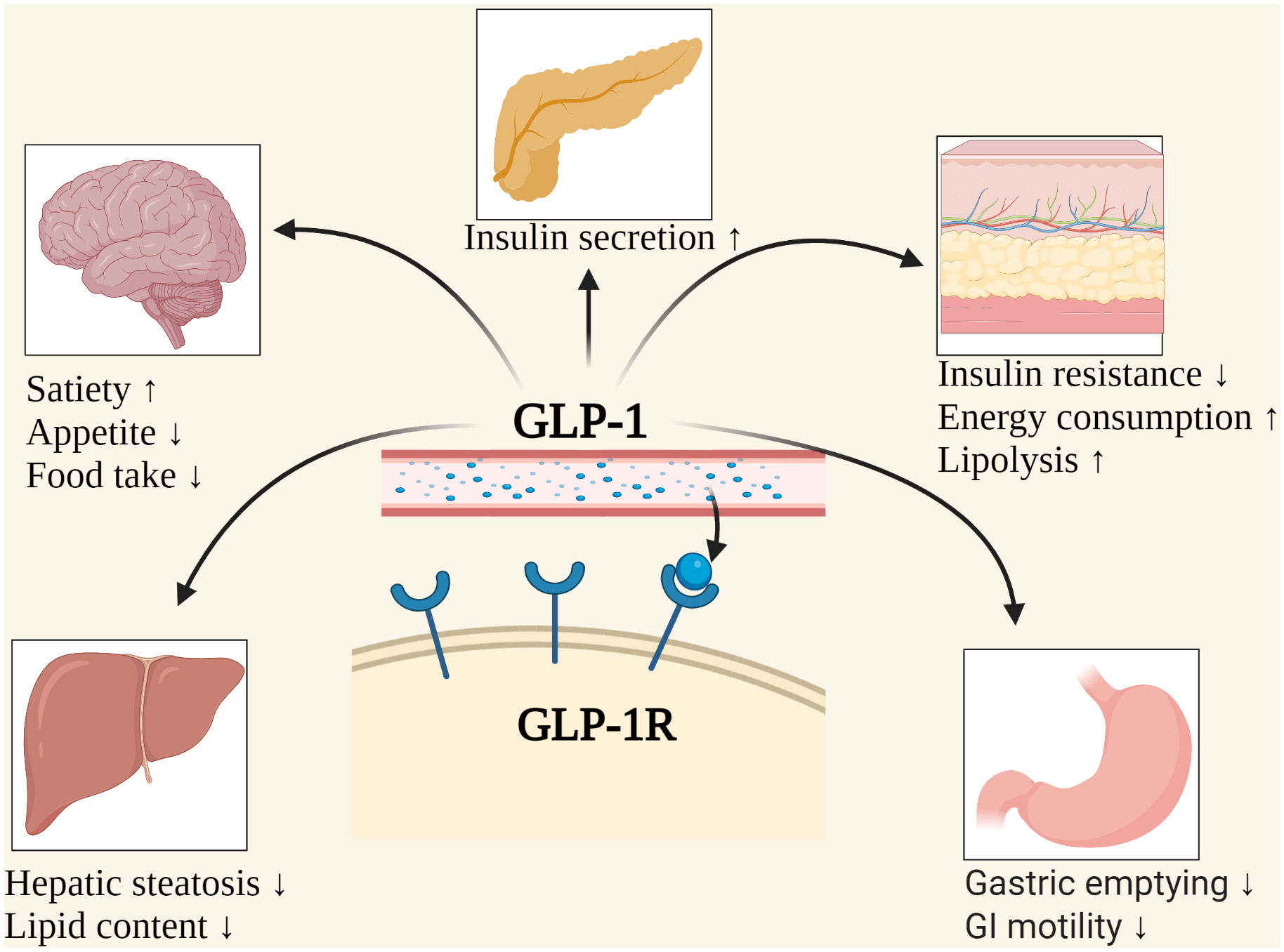
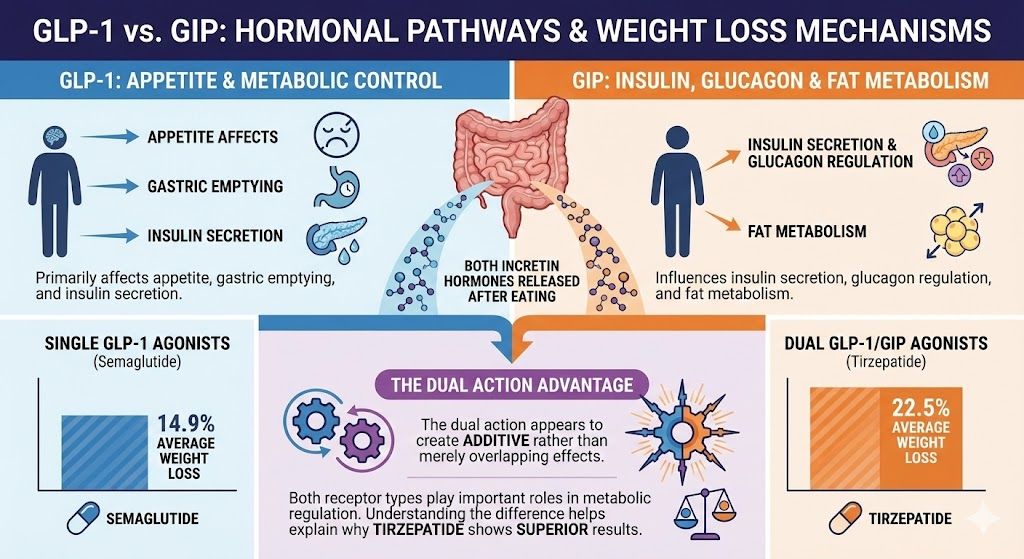
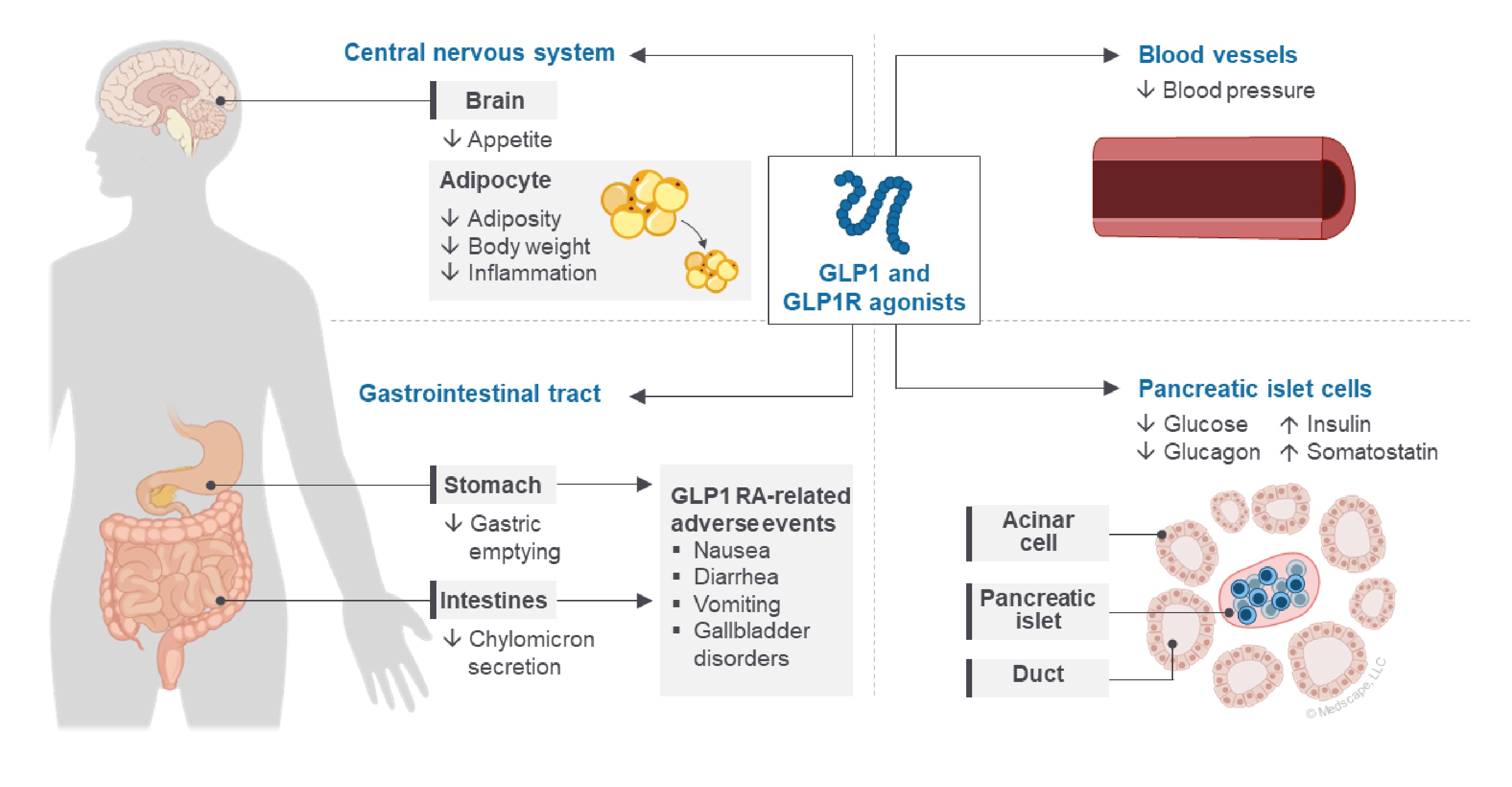
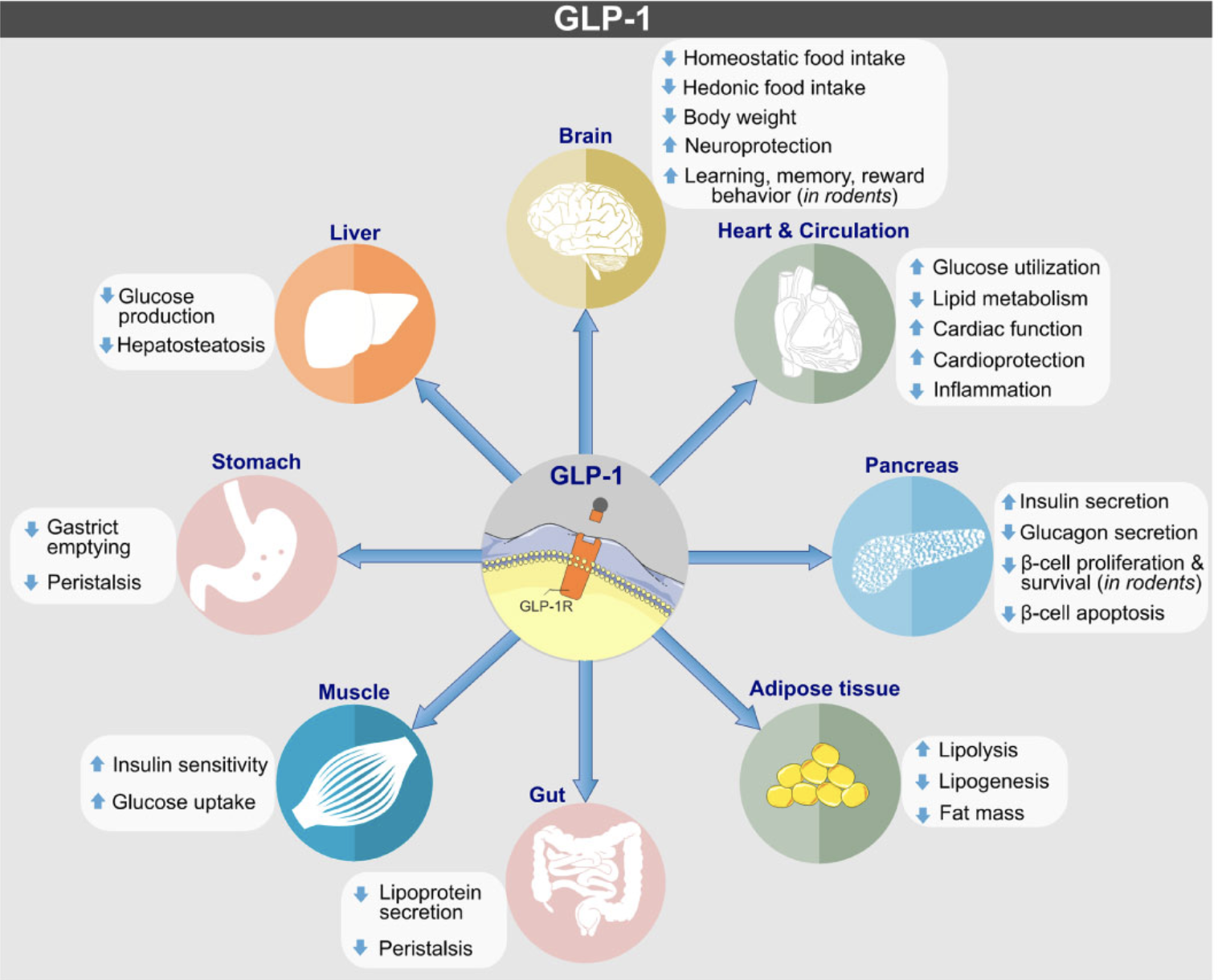
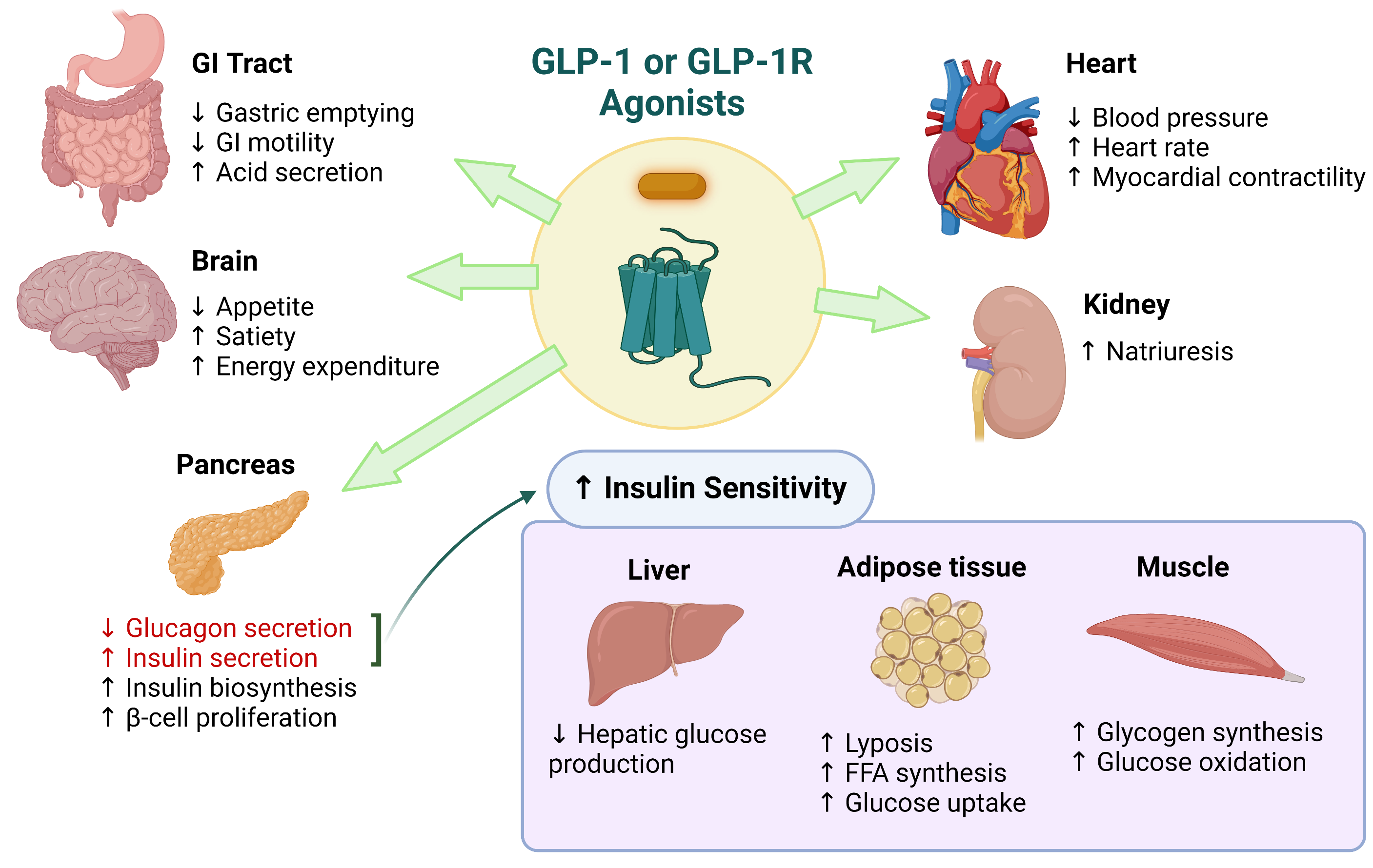
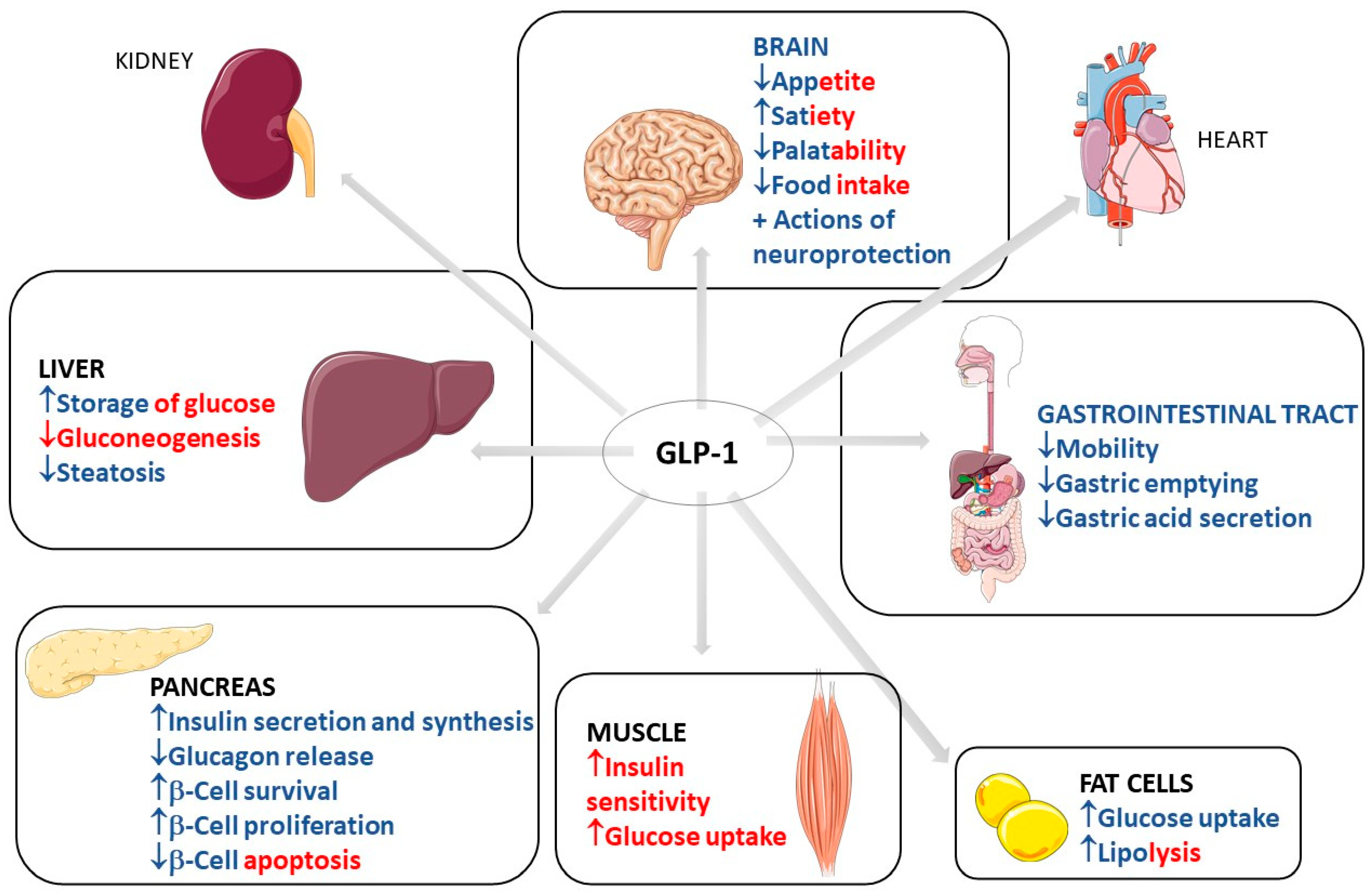
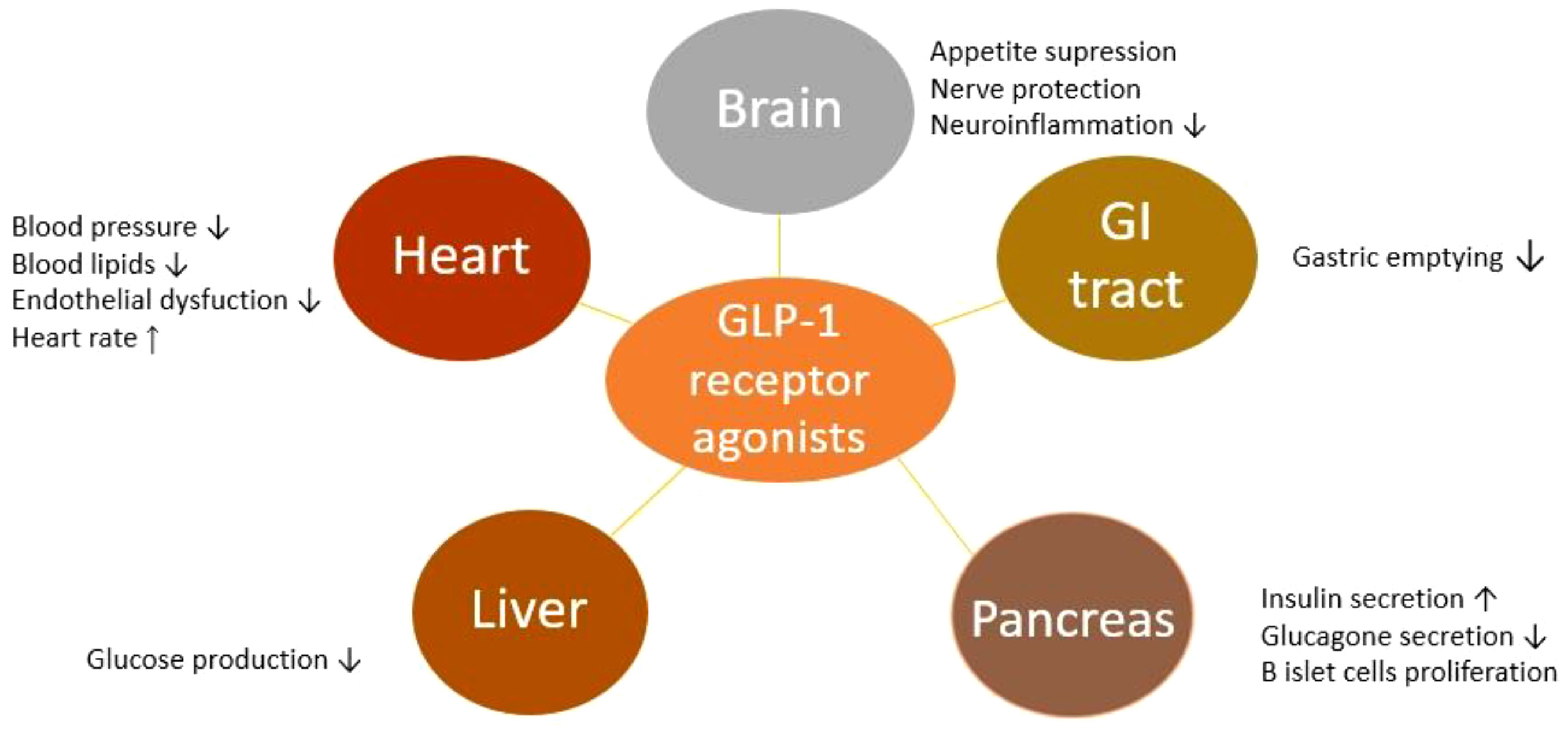
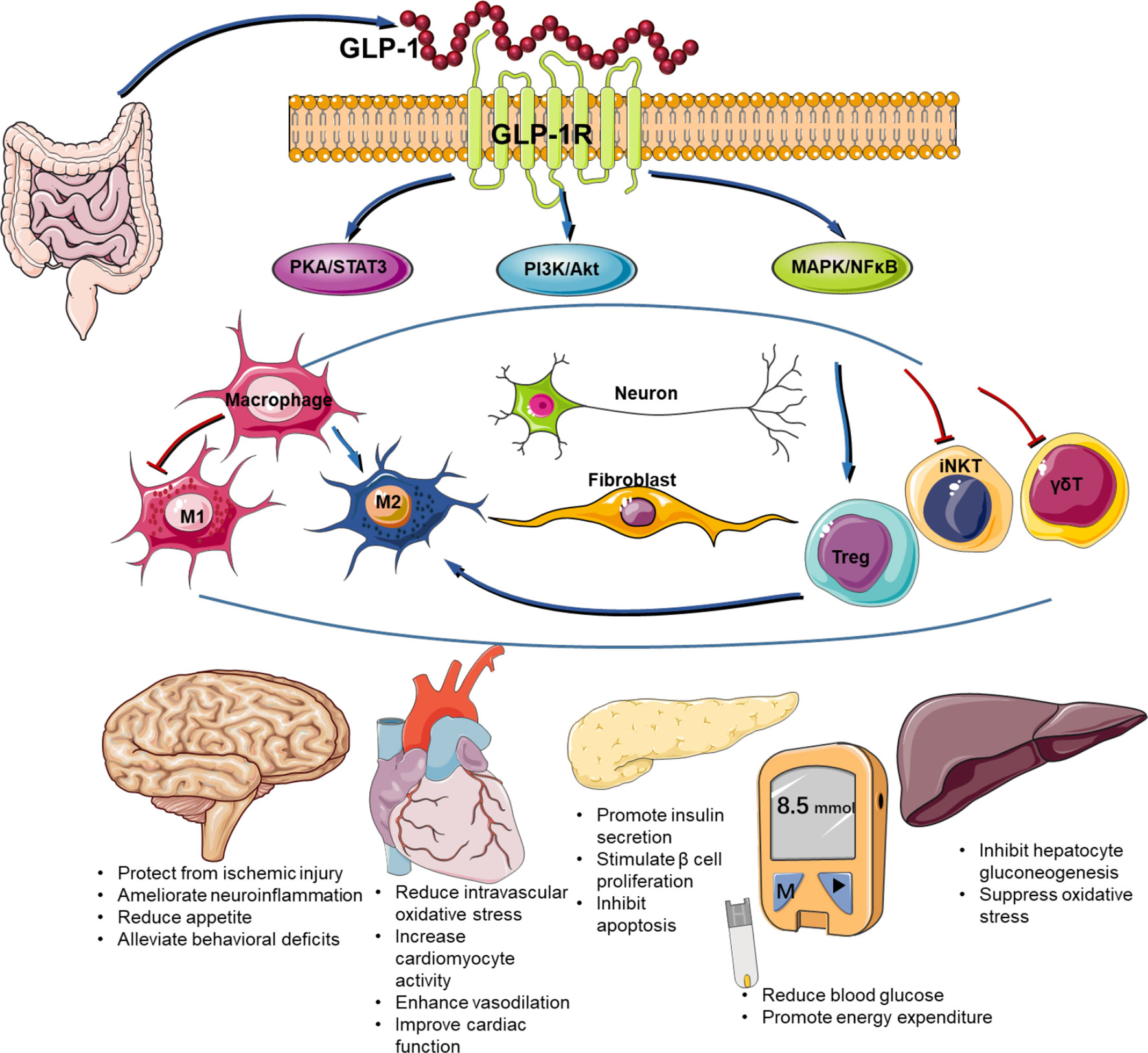
Abstract Glucagon-like peptide-1 ( GLP-1 ) receptor agonists (RAs) have become central in managing obesity and type 2 diabetes, primarily through appetite suppression and metabolic regulation. This review explores the mechanisms underlying GLP-1 RA-induced weight loss, focusing on central and peripheral pathways.
Moving forward, it's essential to keep these visual contexts in mind when discussing Appetite-Suppression-Effect-Of-Glp-1-Receptor-Agone.
Background: Glucagon-like peptide-1 receptor agonists ( GLP -1RAs) have transformed treatment for higher weight and diabetes. Because they also influence appetite and reward processes, these medications may shape eating behaviours, emotions, and body image, raising new challenges for eating disorder (ED) research and clinical care. This narrative review synthesises emerging evidence on the ...
Learn how GLP-1 medications reduce hunger by signaling your brain's satiety centers. Discover the science behind appetite suppression and weight loss benefits.
Useful Notes on Appetite-Suppression-Effect-Of-Glp-1-Receptor-Agone
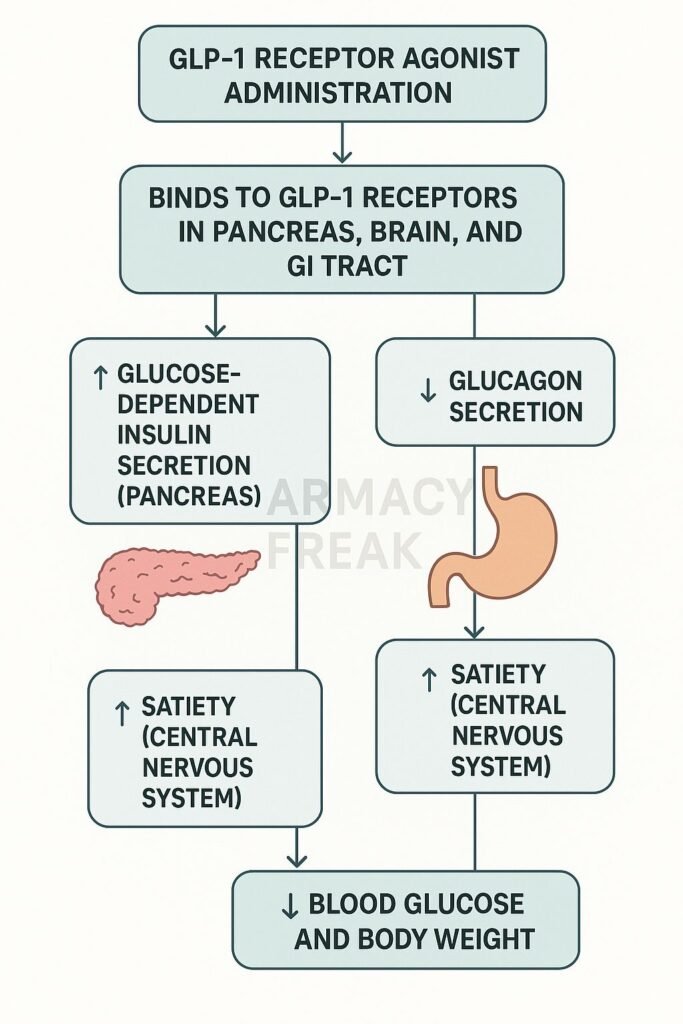
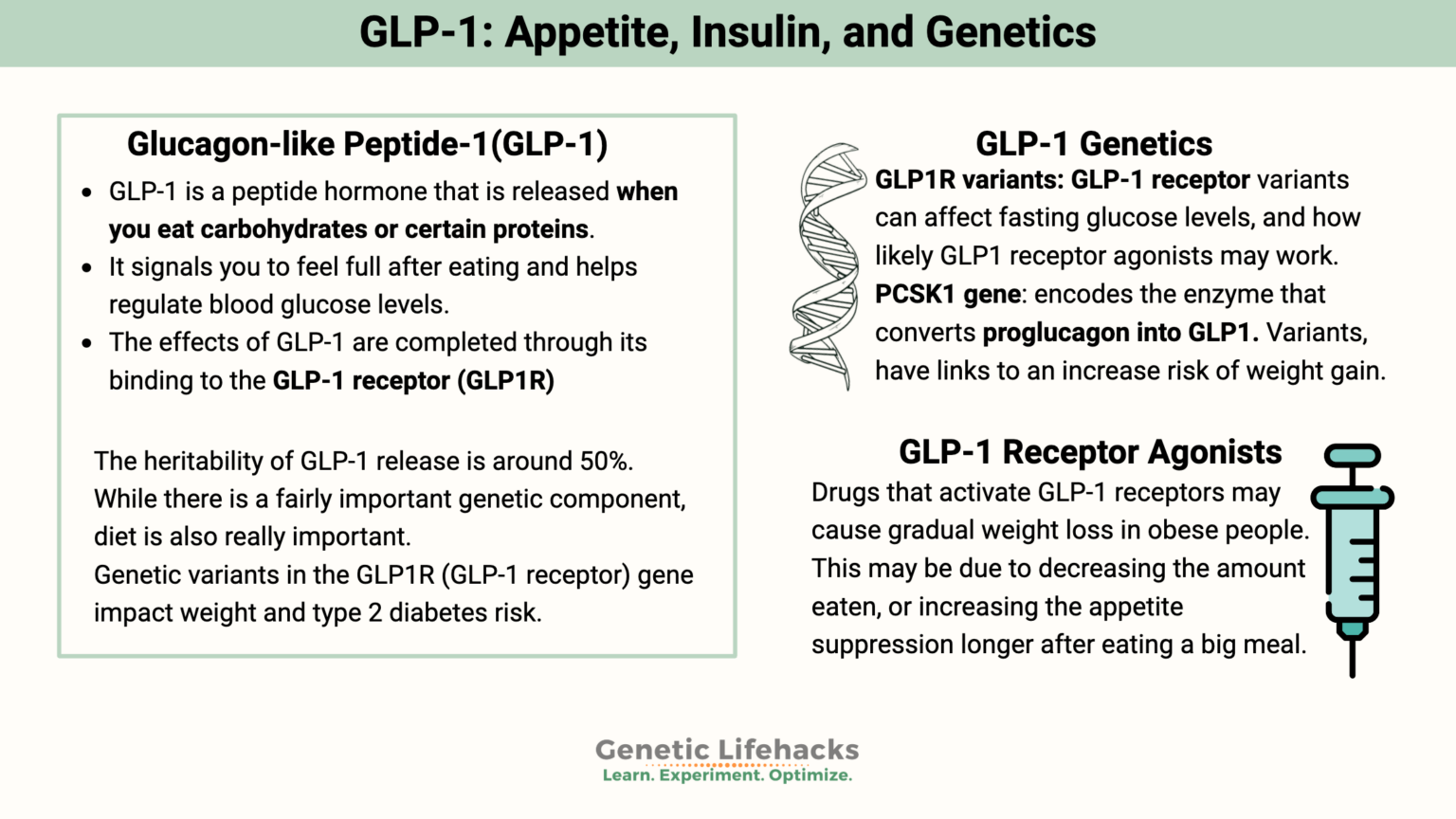
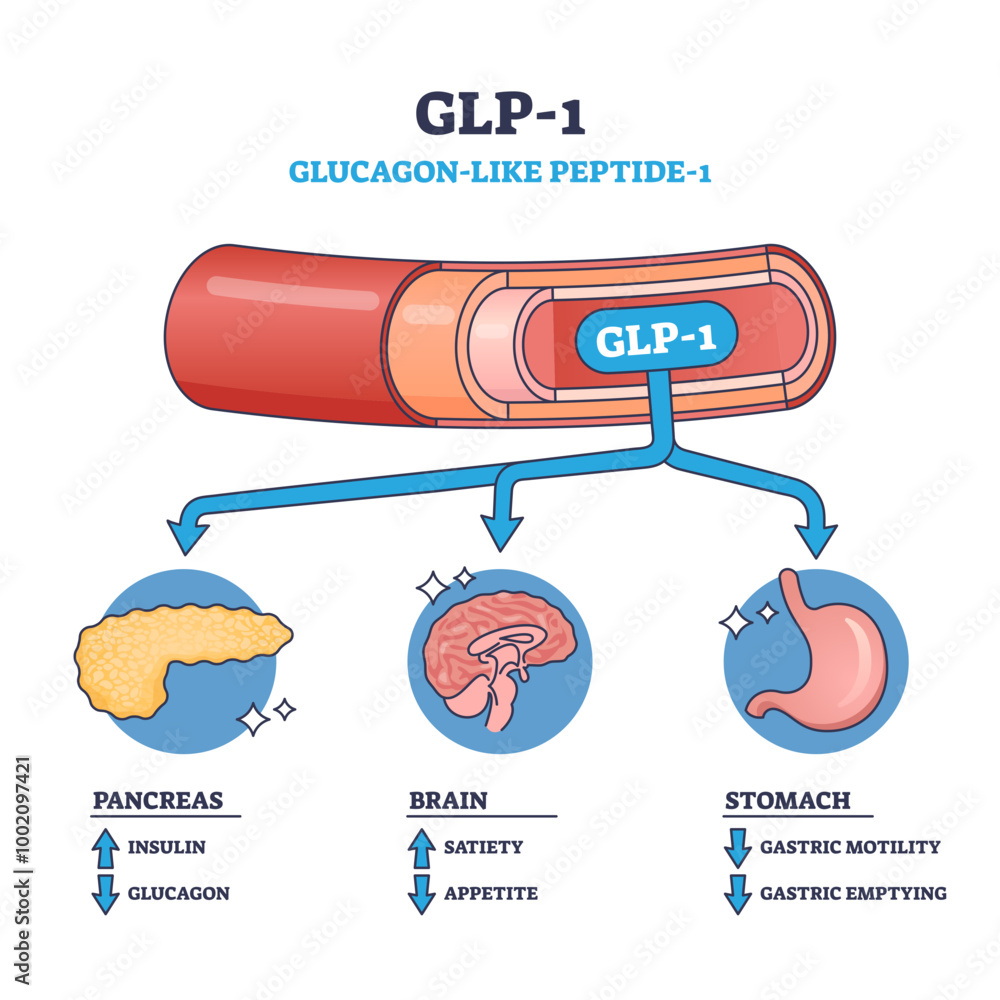
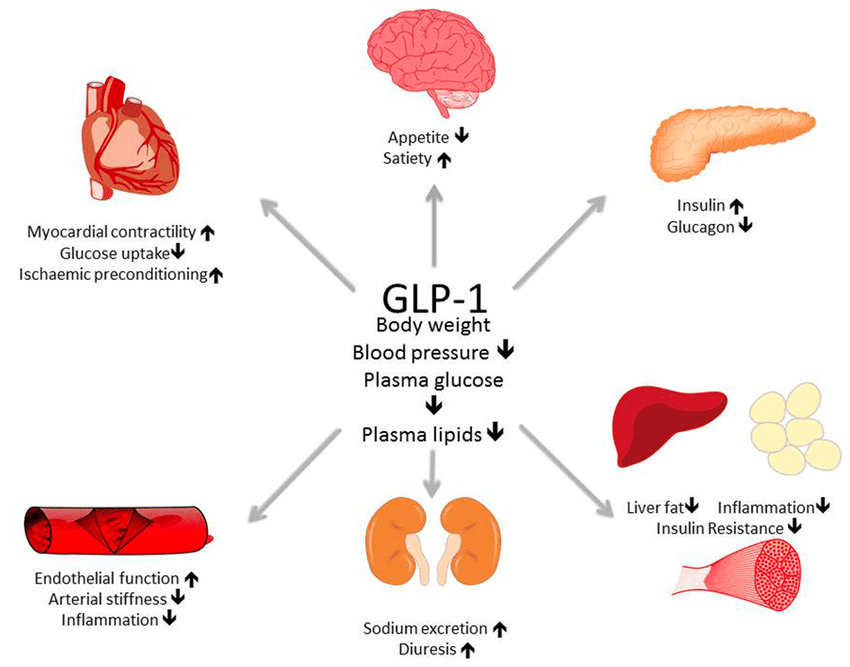
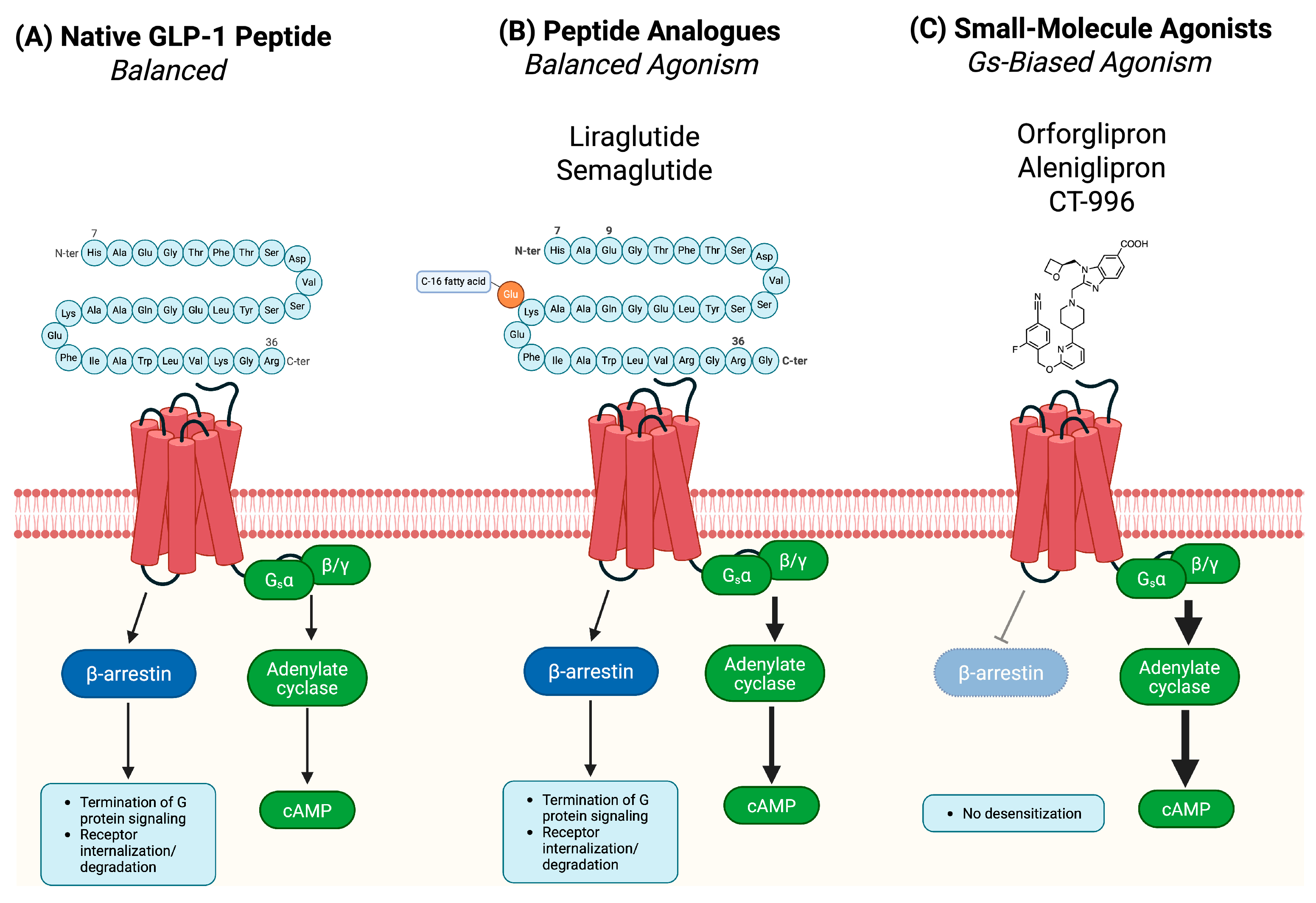
Most people know GLP-1 receptor agonists as appetite suppressants. Medications like semaglutide (sold as Ozempic and Wegovy) and newer oral options like orforglipron work by mimicking a gut hormone called glucagon-like peptide 1 , which signals to the brain that you're full.
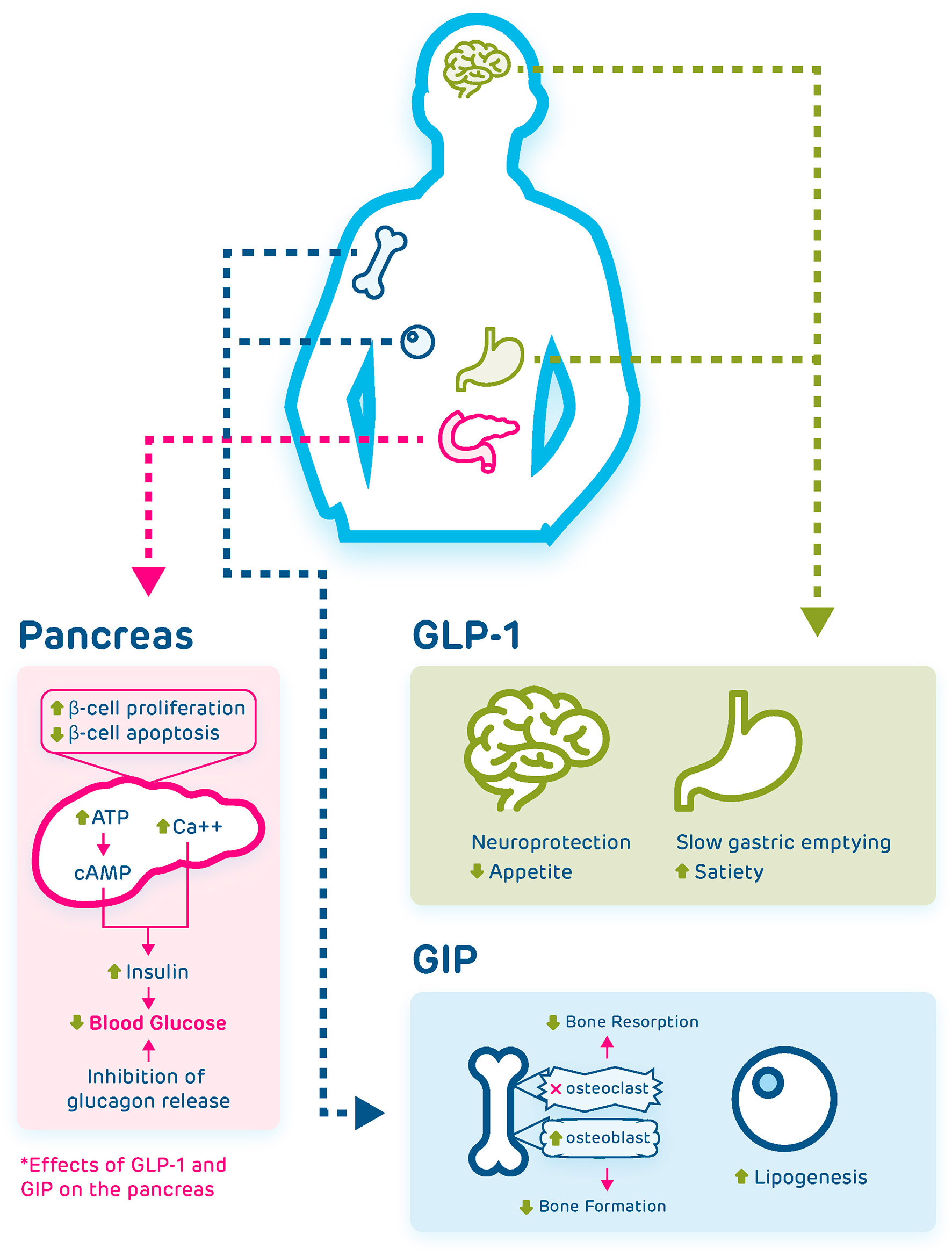
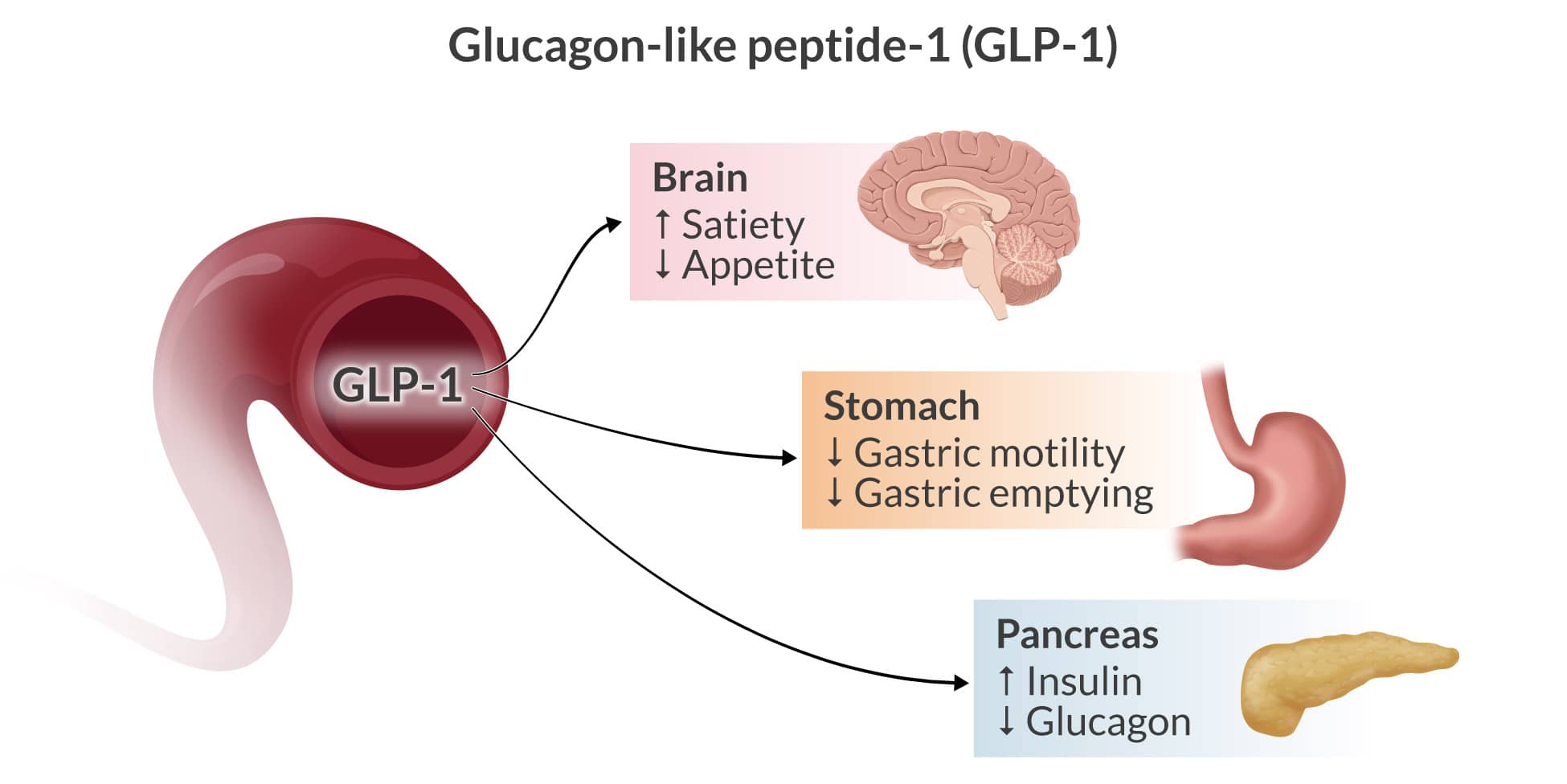
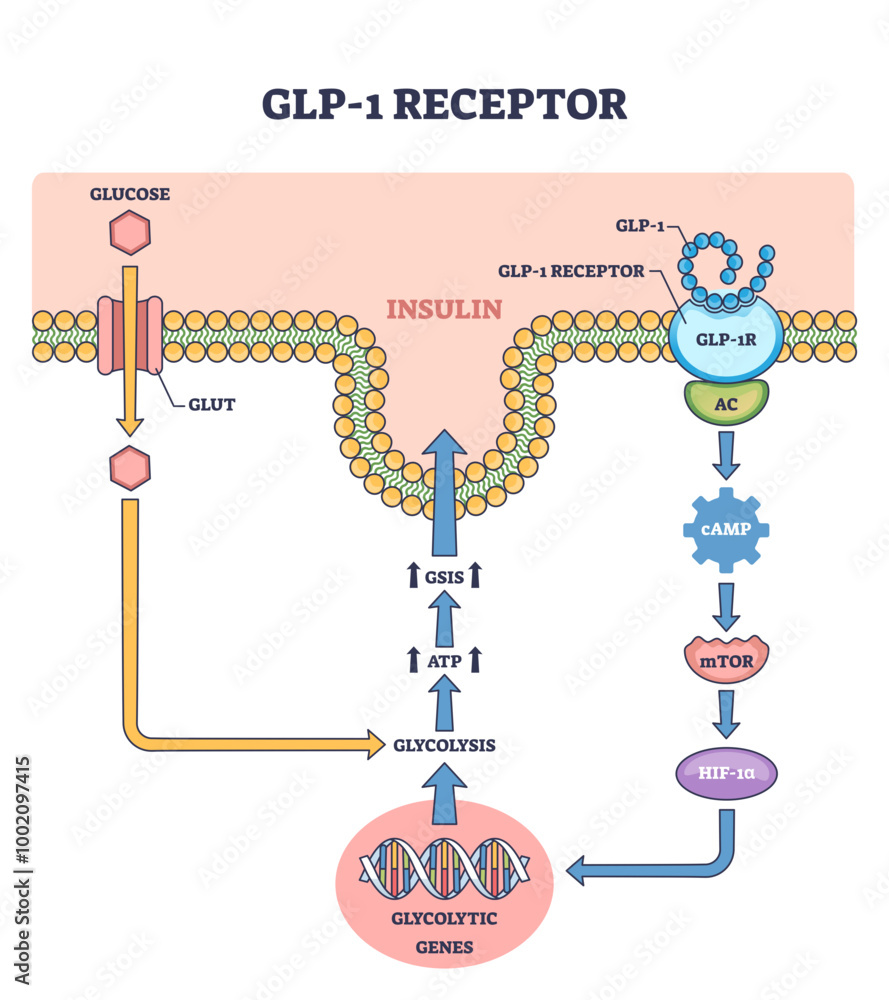
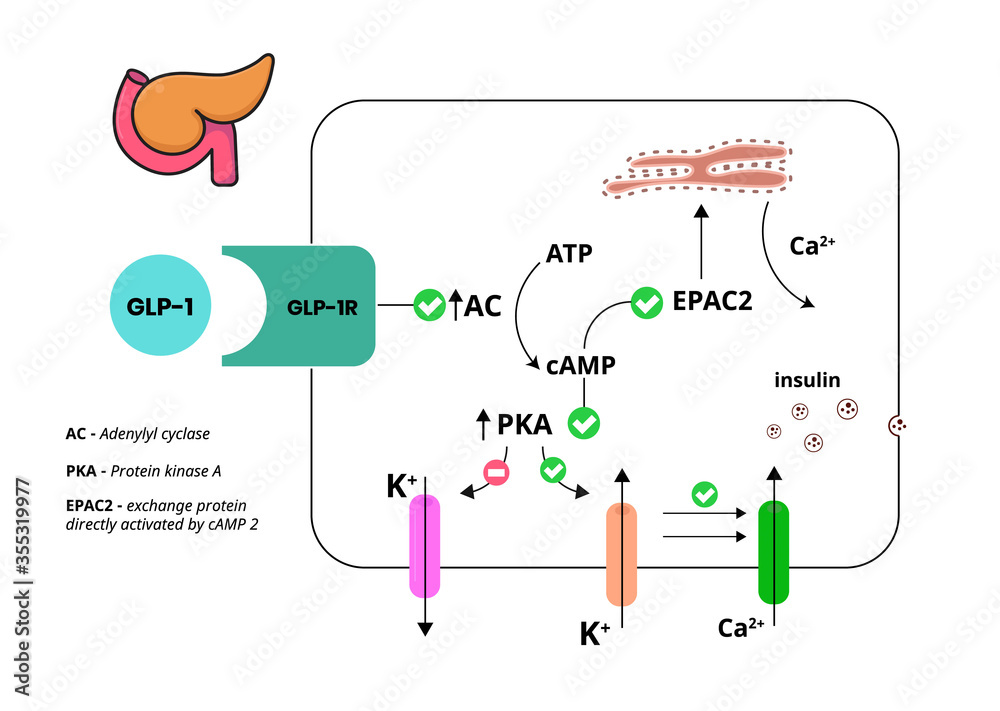
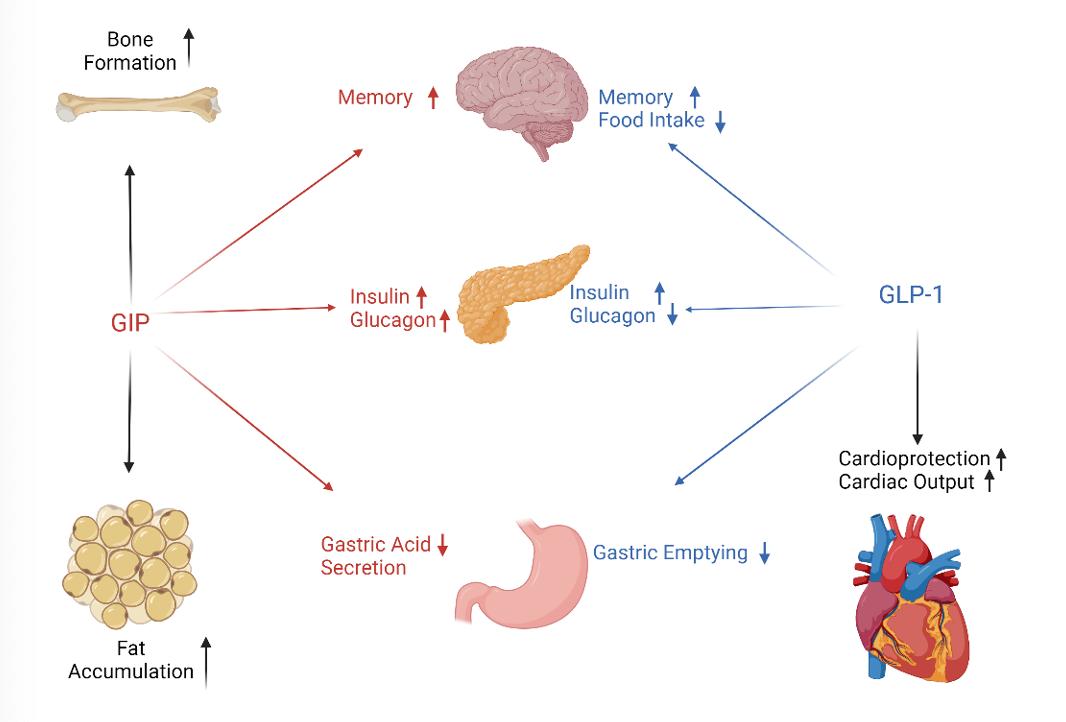
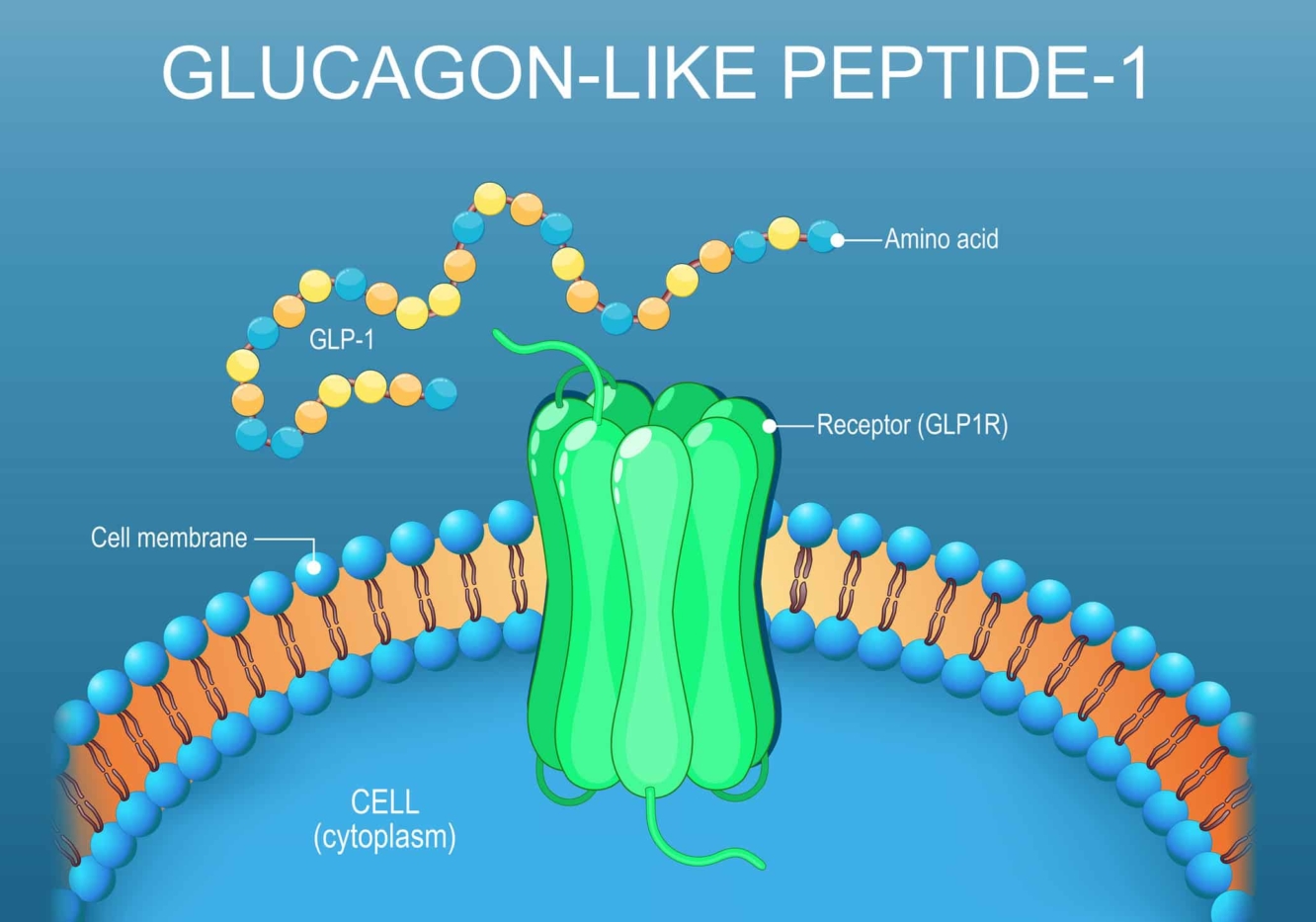
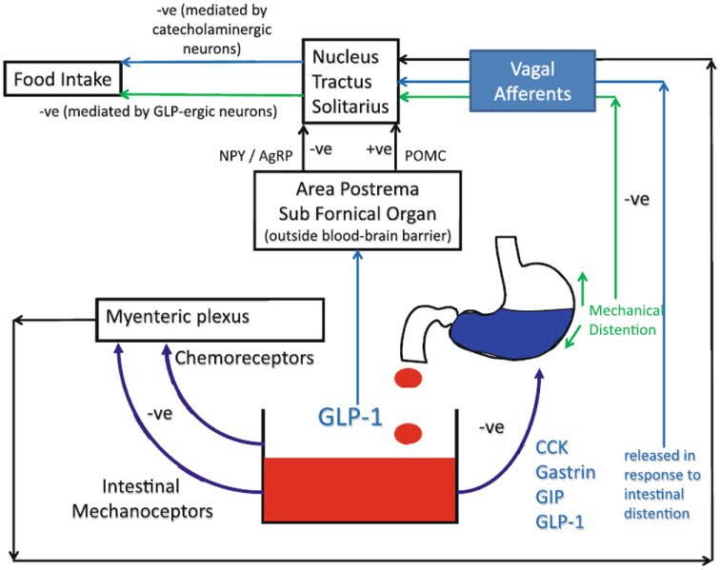
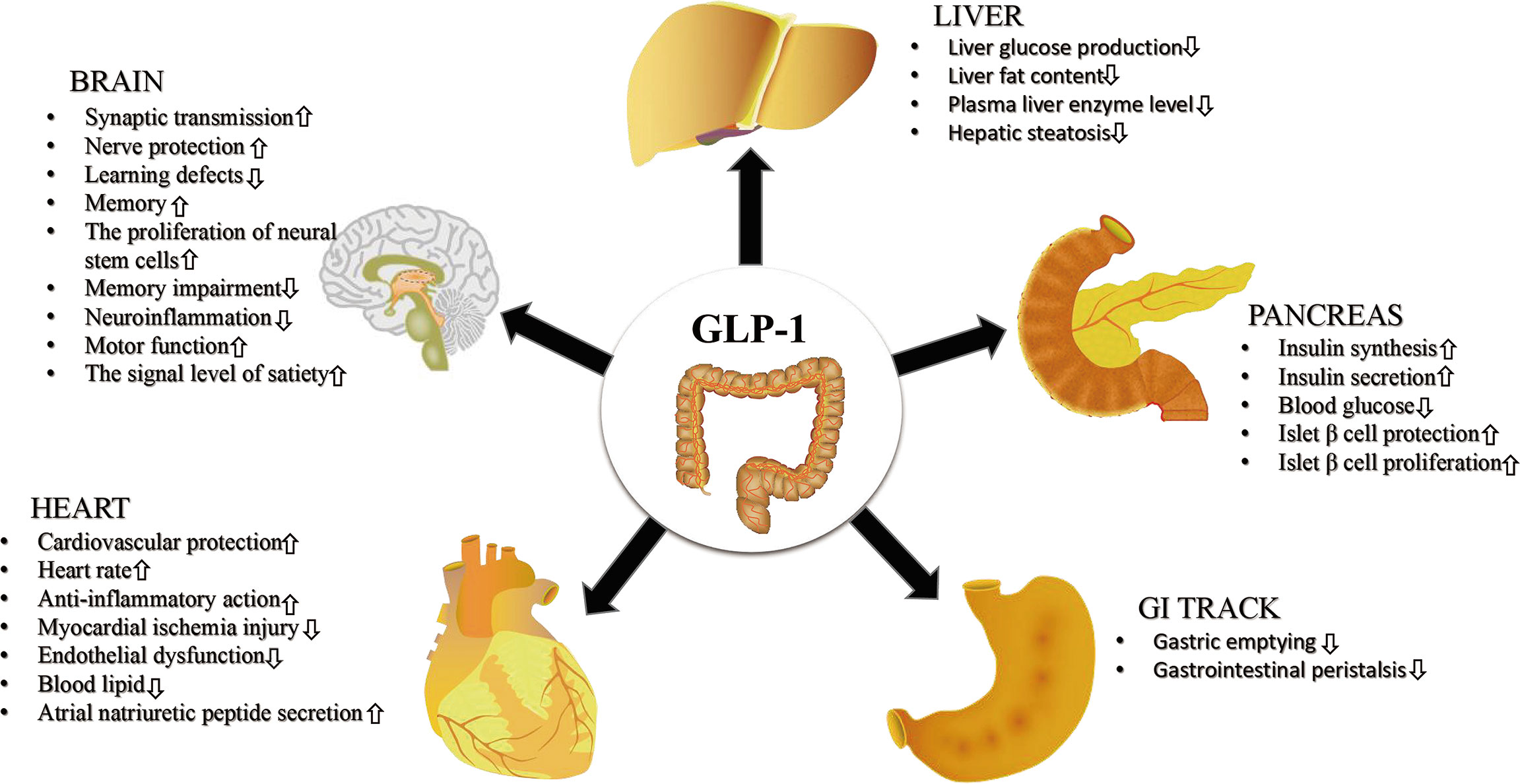
Glucagon-like peptide 1 ( GLP-1 ) is a cleavage product of the pre-proglucagon gene which is expressed in the α-cells of the pancreas, the L-cells of the intestine, and neurons located in the caudal brainstem and hypothalamus. GLP-1 is of relevance to appetite and weight maintenance because it has actions on the gastrointestinal tract as well as the direct regulation of appetite . It delays ...