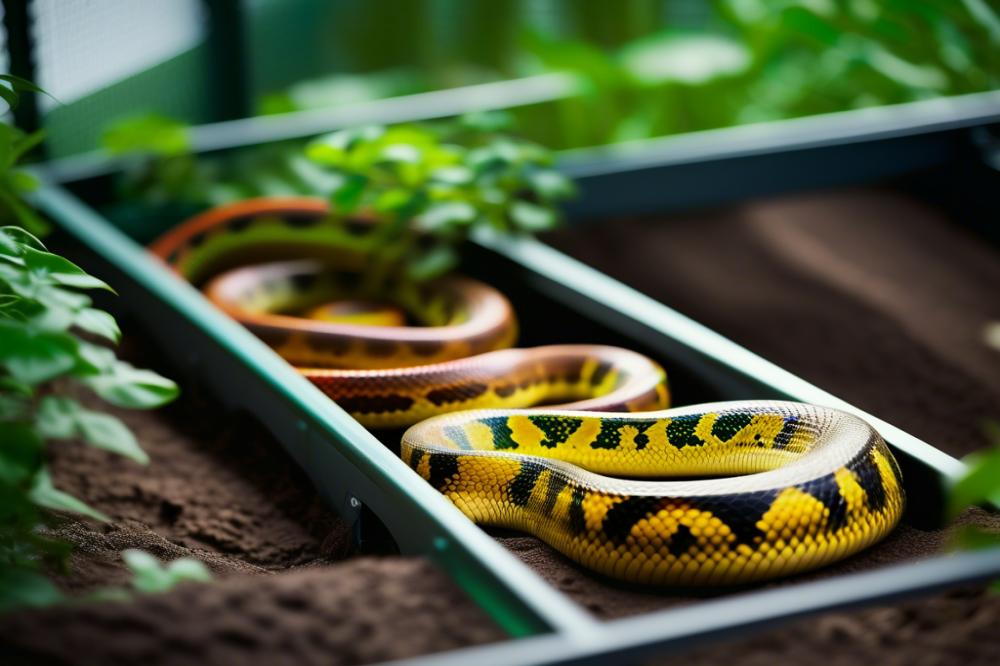
Thermal Gradients
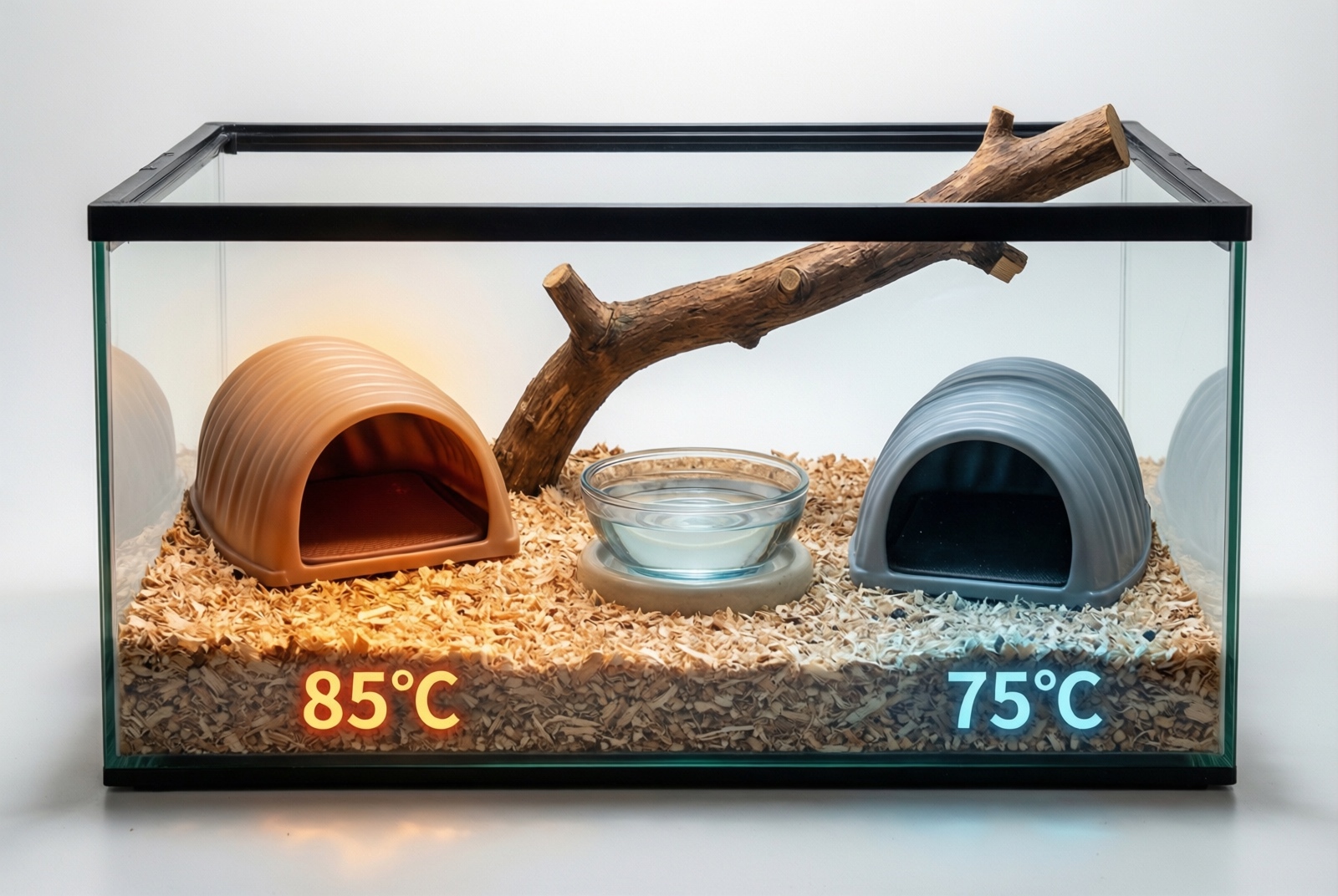
With a cold end temperature of below 26 degrees, the snake will spend relatively short periods of time in this zone , returning to the warm end for extended periods of time to absorb heat, and moving back to the cool end again to lose heat.
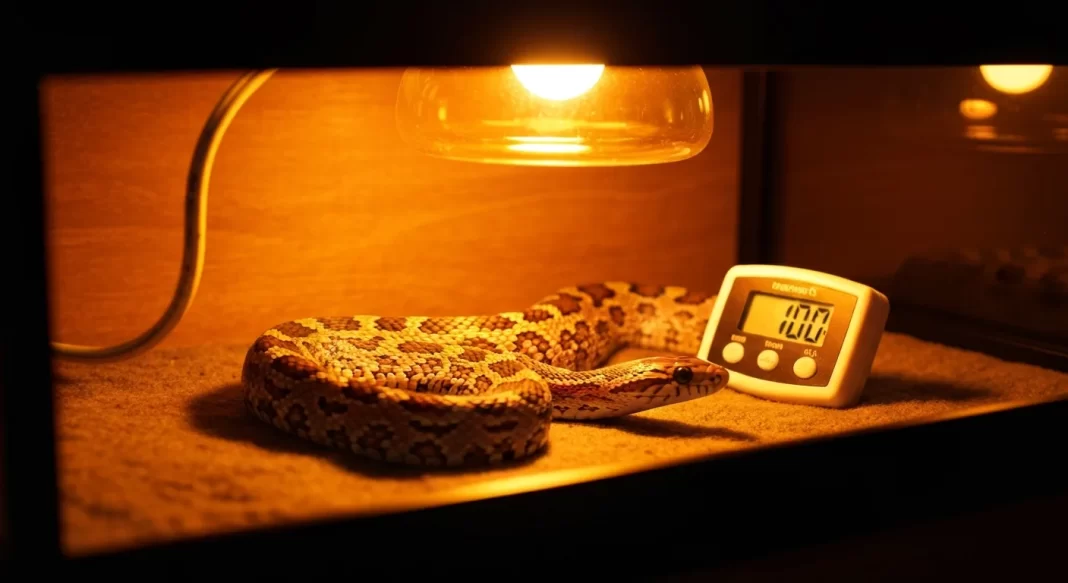
A gradient allows the snake to move between warmer and cooler zones , selecting the ideal temperature for various activities like basking, digesting food, or resting. Without this ability, they can suffer from stress, impaired digestion, and a weakened immune system.
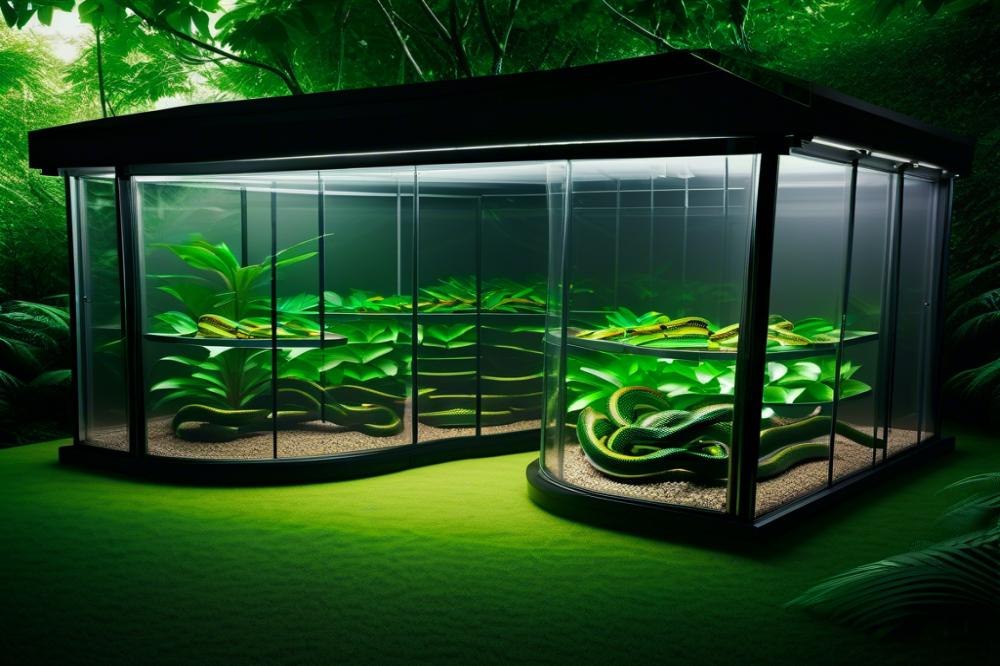
Moving forward, it's essential to keep these visual contexts in mind when discussing Bobtail Snake Temperature Gradient And Zone.
Temperature Gradients

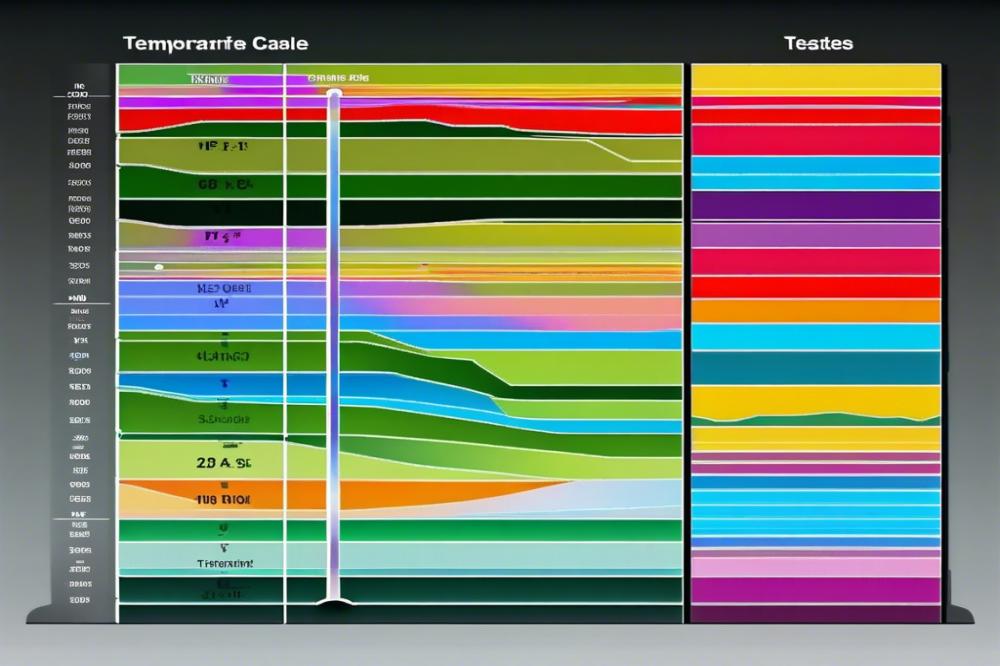
As we can see from the illustration, Bobtail Snake Temperature Gradient And Zone has many fascinating aspects to explore.
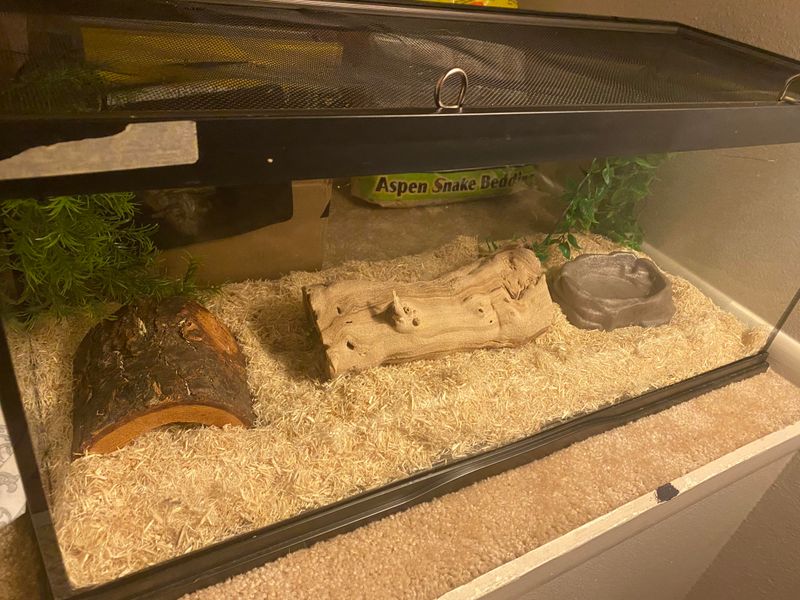
A proper temperature gradient requires an enclosure long enough to create meaningful separation between the warm end and the cool end. For most commonly kept species, this means the enclosure needs to be at least as long as the snake's body, and ideally longer. In a 4-foot enclosure, for example, you can reasonably establish a warm zone at one end running 88 to 92 degrees Fahrenheit for a ball ...
Learn the ideal snake temperature , how to create a proper heat gradient , and the best temperature ranges for common beginner snake species.