Mastering the Concepts of Canine Ibd And Tapeworms Visually
Canine Tapeworms
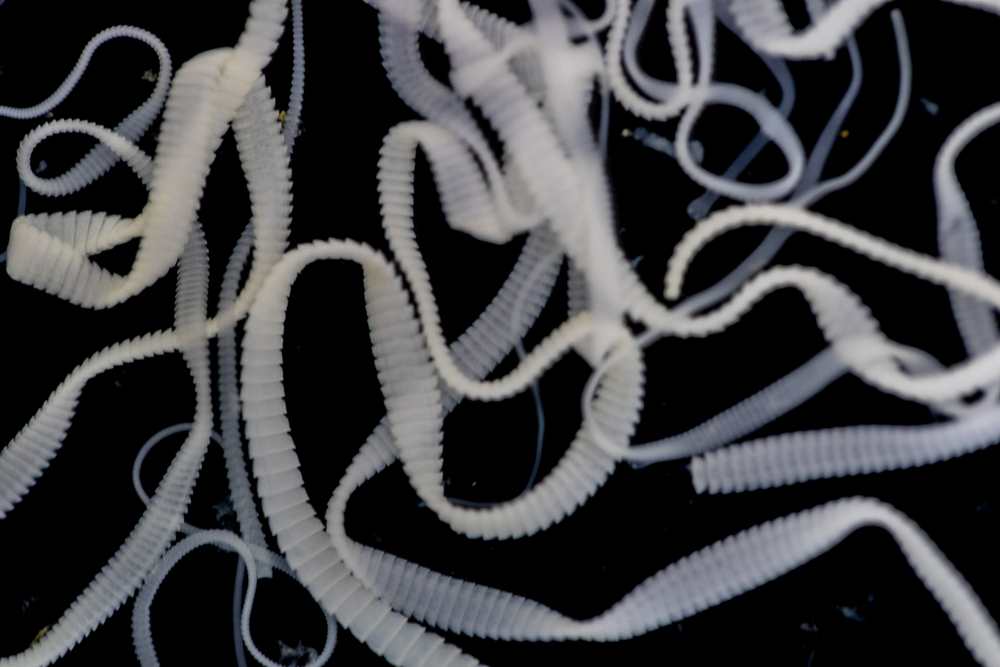
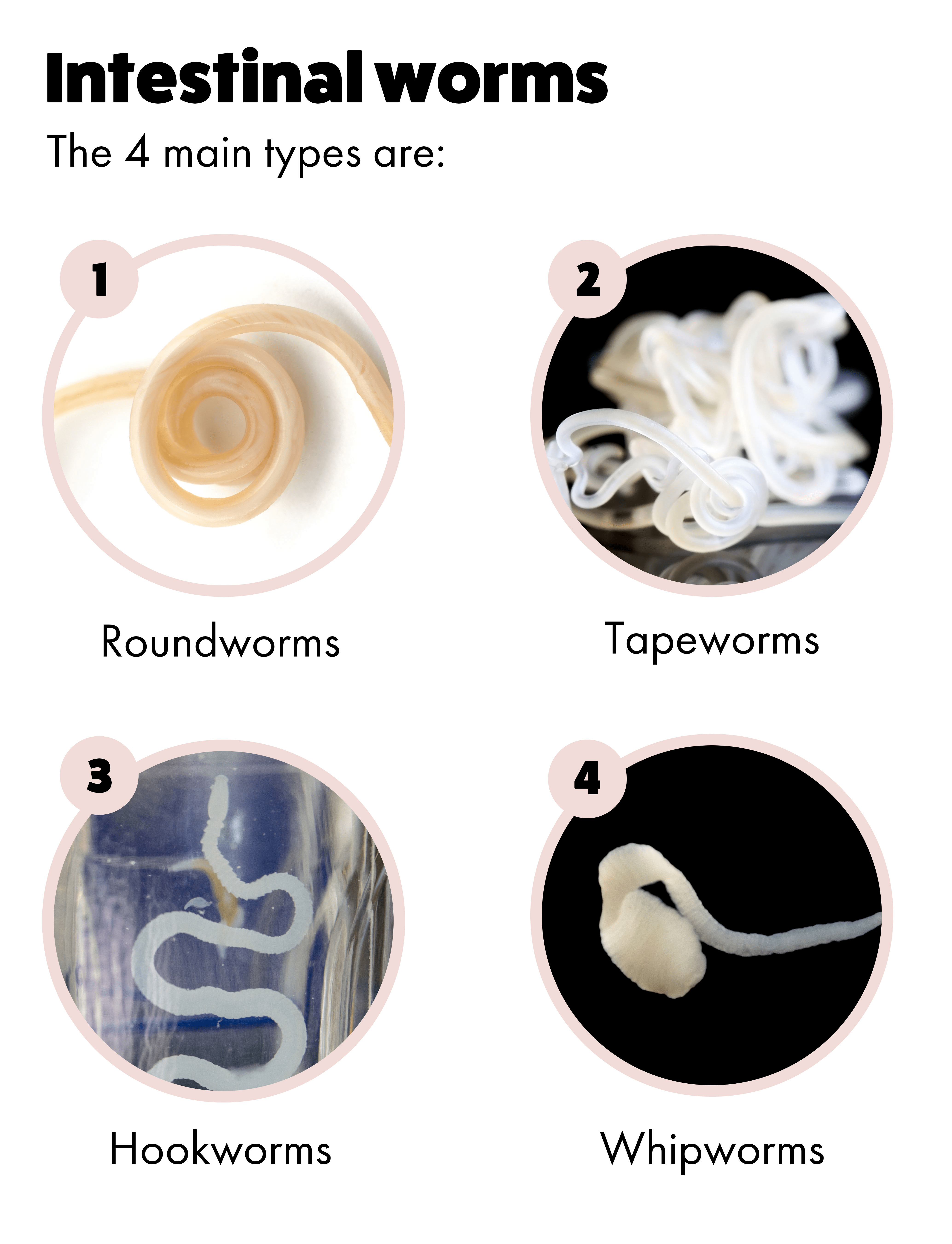
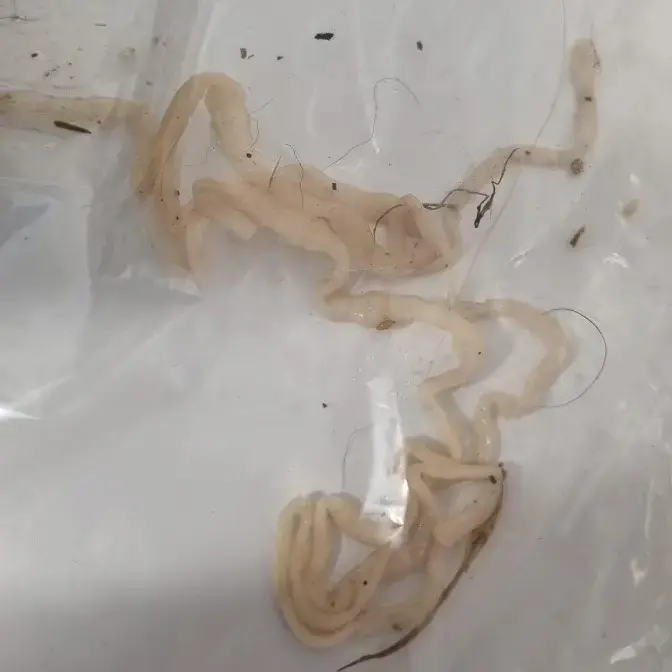
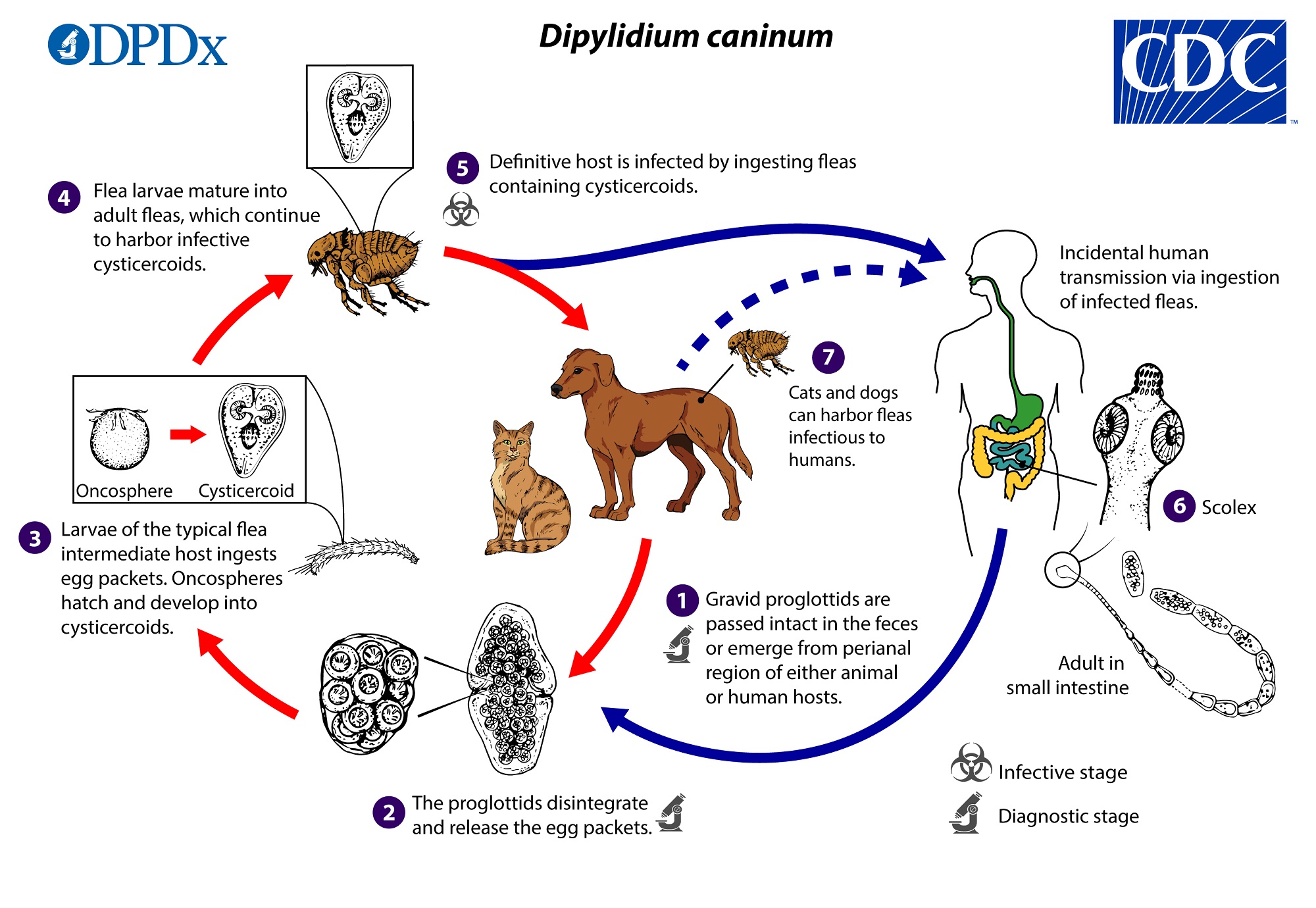
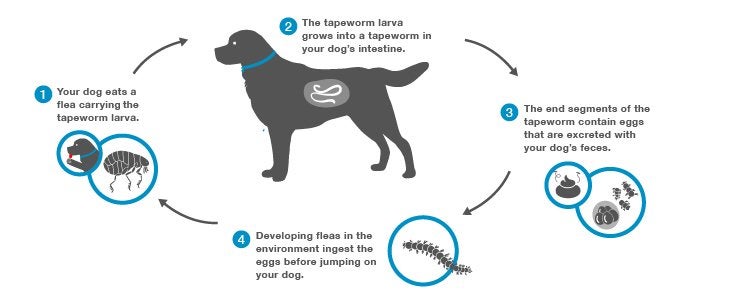
Tapeworm Life Cycle and Transmission Canine tapeworms typically use a predator and prey to complete their life cycle. Adult tapeworms are chains of flattened, progressively maturing segments (called proglottids) beginning anteriorly at the scolex and ending terminally as mature, gravid proglottids.
Canine Ibd And Tapeworms
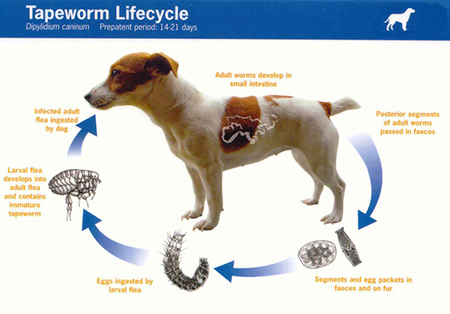
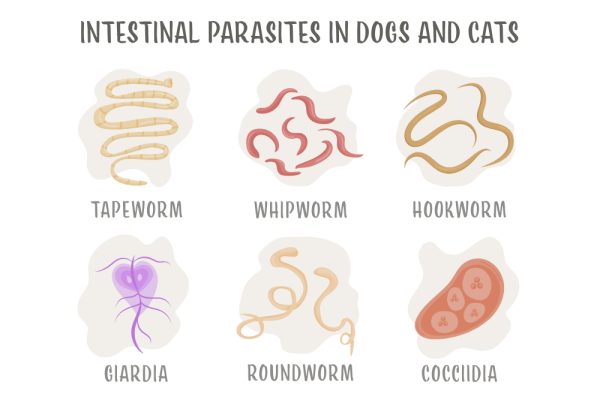
Tapeworms of dogs and cats have indirect life cycles with adult tapeworms located in the animals' small intestine and the larval (metacestode) stage found in an intermediate host. Dogs and cats become infected by ingestion of the infected intermediate host. Most urban dogs and cats eat prepared foods and have restricted access to natural prey.
Canine Ibd And Tapeworms
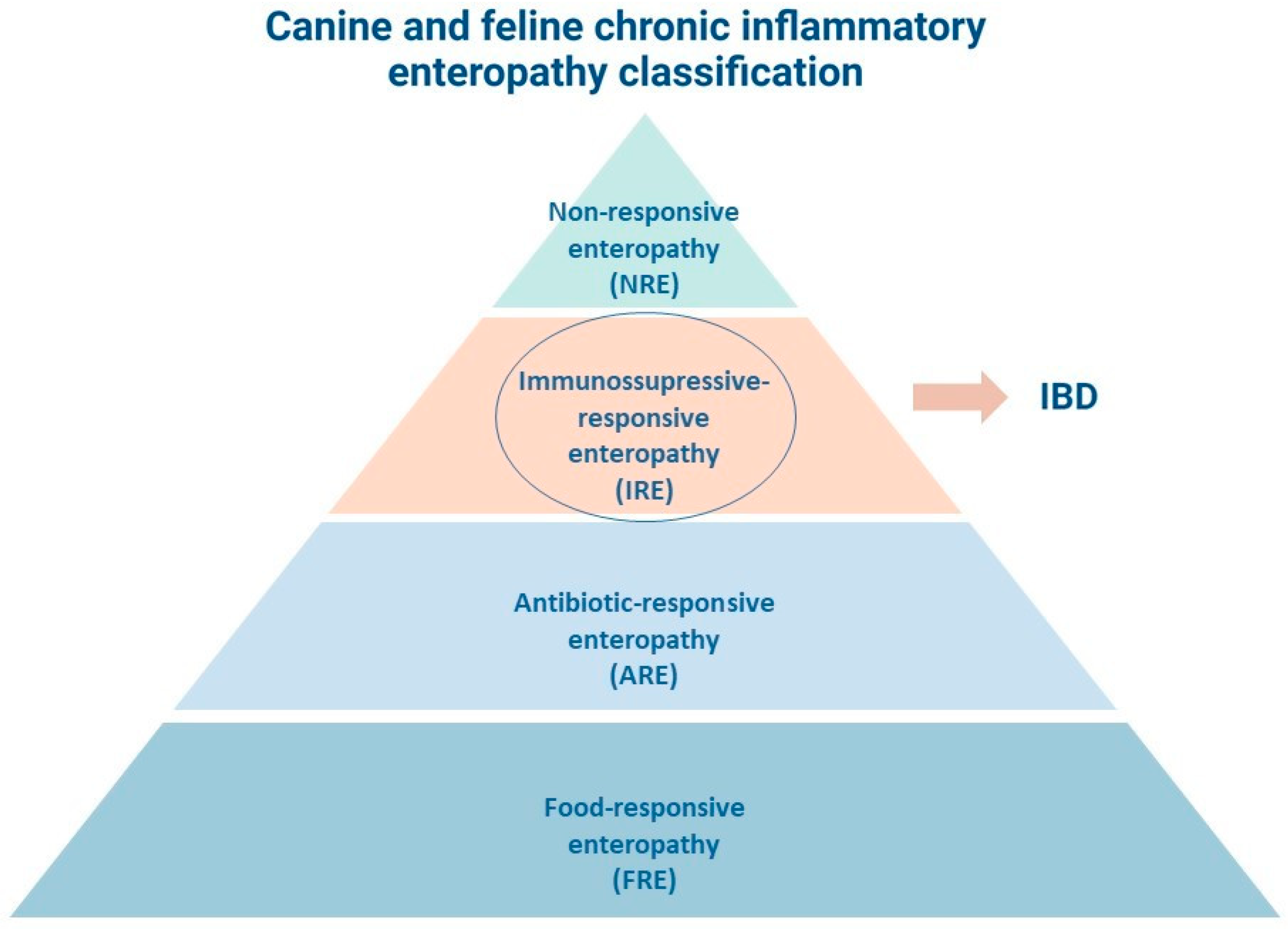
Inflammatory bowel disease (IBD)
Canine Ibd And Tapeworms
Furthermore, visual representations like the one above help us fully grasp the concept of Canine Ibd And Tapeworms.
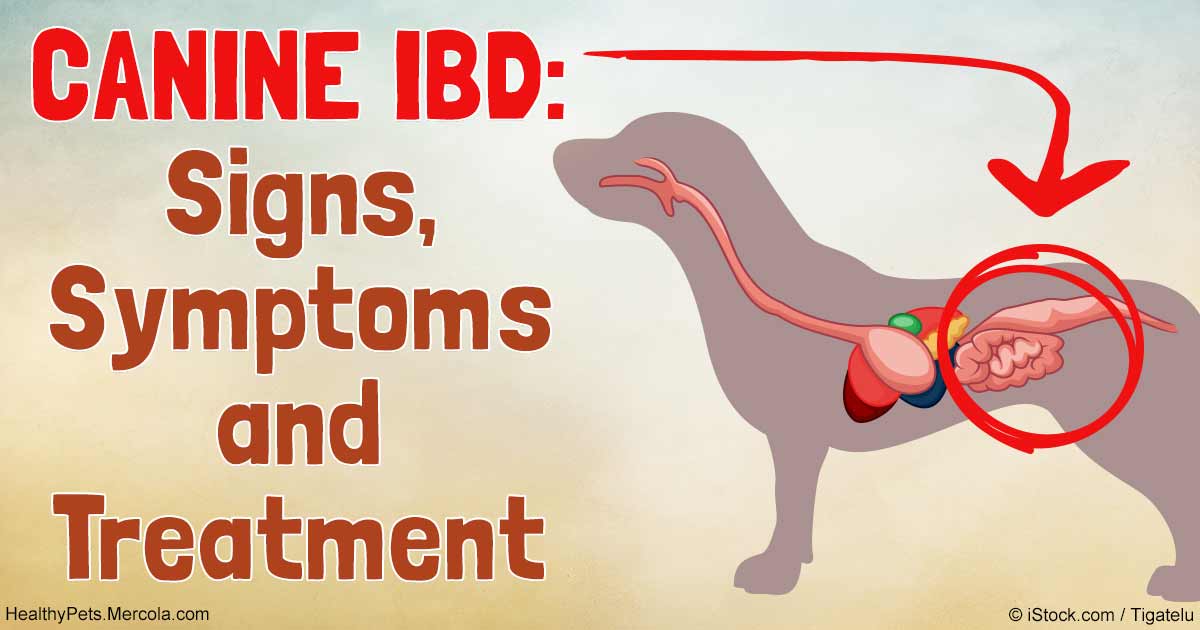
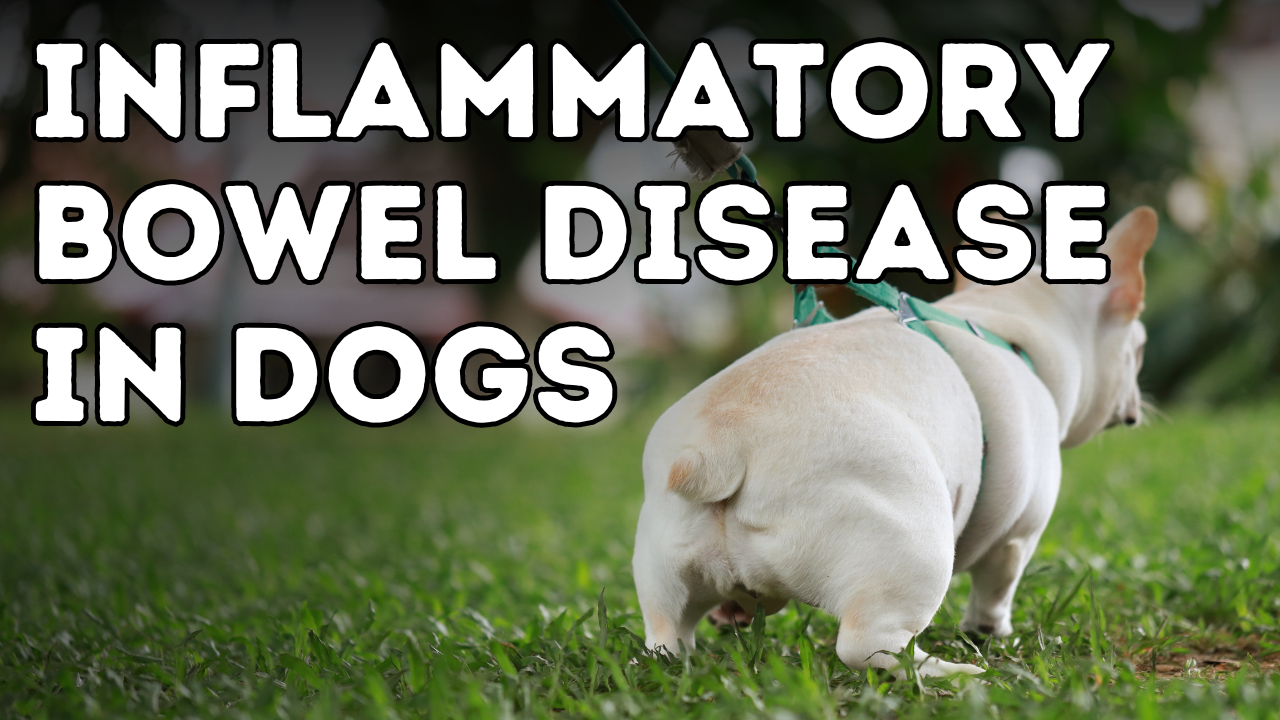
Inflammatory bowel disease ( IBD ) is a chronic condition (greater than three weeks) caused by inflammation in the gastrointestinal tract. Middle aged dogs of both sexes are equally affected.
Management All dogs prior to treatment, and often prior to invasive investigation such as endoscopy should ideally receive a 5-day course of fenbendazole at 50 mg/kg once daily to treat for Giardia and other intestinal parasites. In severely affected dogs however, investigation and further management should not be delayed for this.
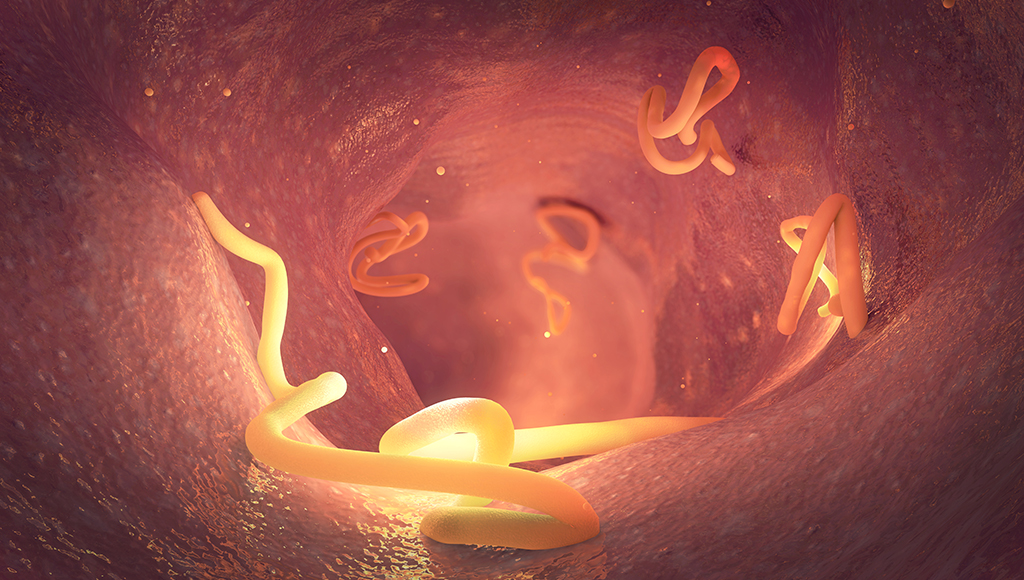
Tapeworms are long parasites made up of multiple segments, each containing many tapeworm eggs. Fleas and rodents ingest tapeworm eggs found in the environment, which then hatch into larvae and live inside of them. After a dog ingests a flea or rodent carrying the tapeworm larvae, adult tapeworms develop and live in their small intestines.