The Hidden Details of Canine Incontinence Causes Revealed
Diagnosing and Managing Urinary Incontinence in Canine Patients
This article provides an overview of the common causes of urinary incontinence and outlines a logical approach for evaluation and management of dogs with this condition.
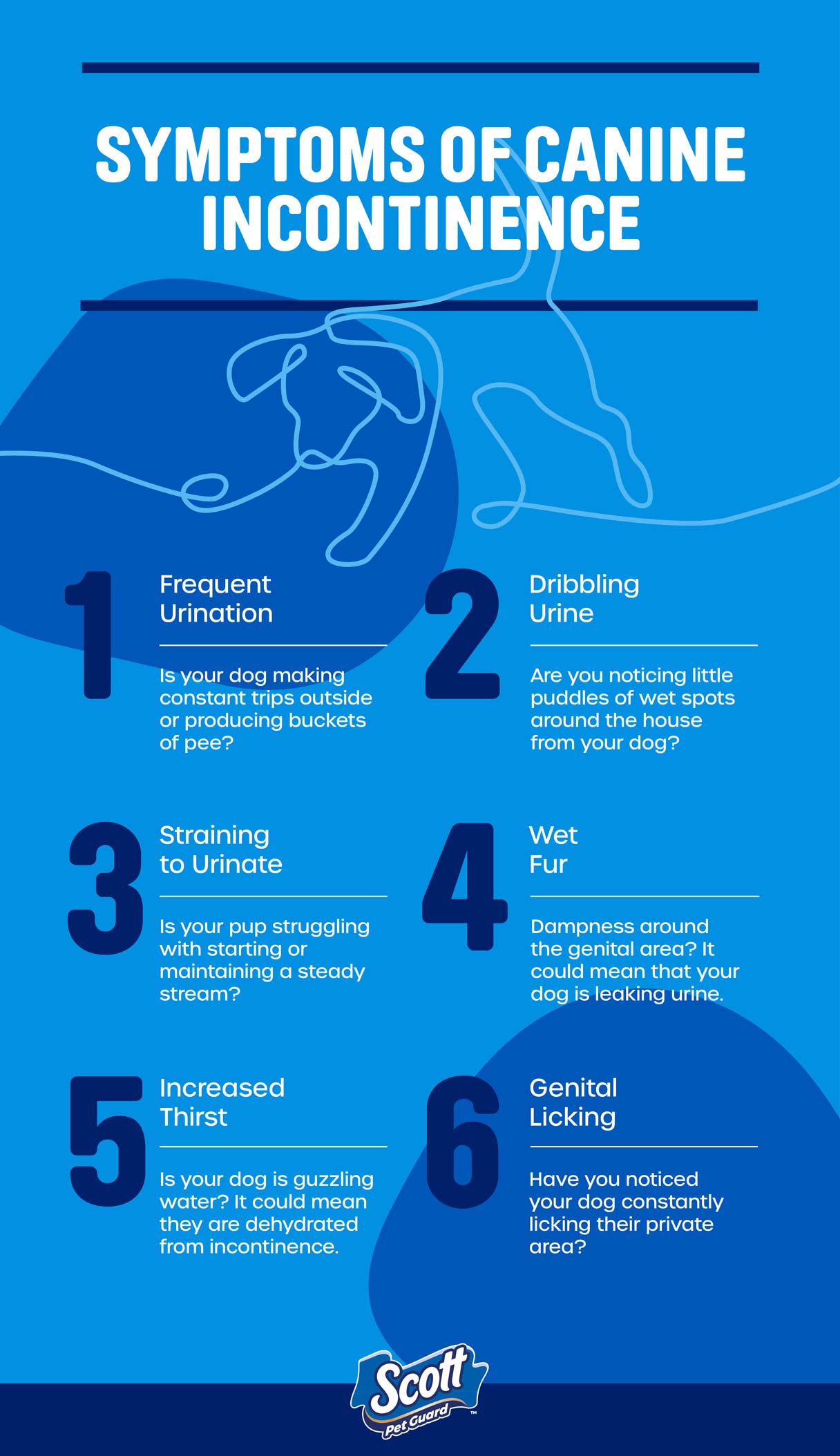
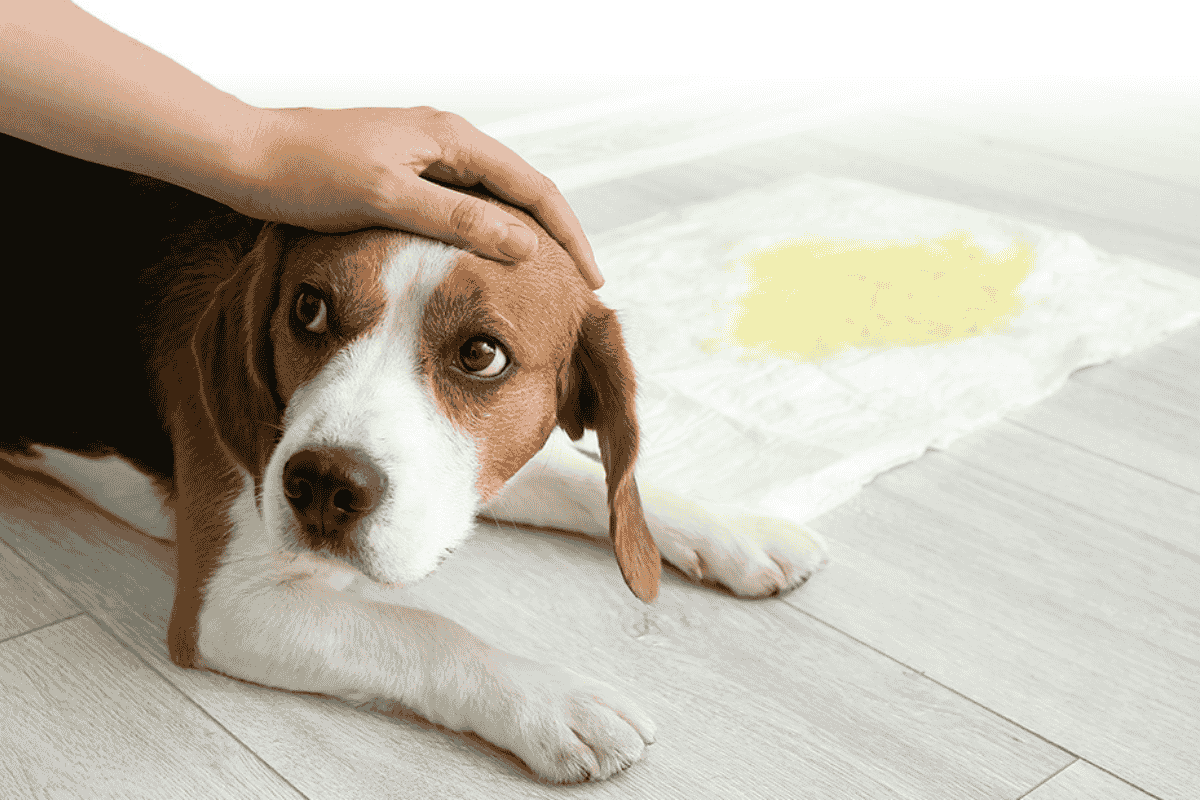
Incontinence is a separate issue from behavior-related urination problems. Incontinence is usually caused by a medical condition, and your dog probably isn't aware it's happening.
Canine Incontinence Causes
Urinary Incontinence (Urethral Incontinence) in Dogs
This is one of the more common causes and is often associated with hormone responsive urinary incontinence , urinary tract infection or inflammation, prostatic disease in male dogs, and vestibulovaginal anomaly (abnormal reproductive anatomy) in females.
Canine Incontinence Causes
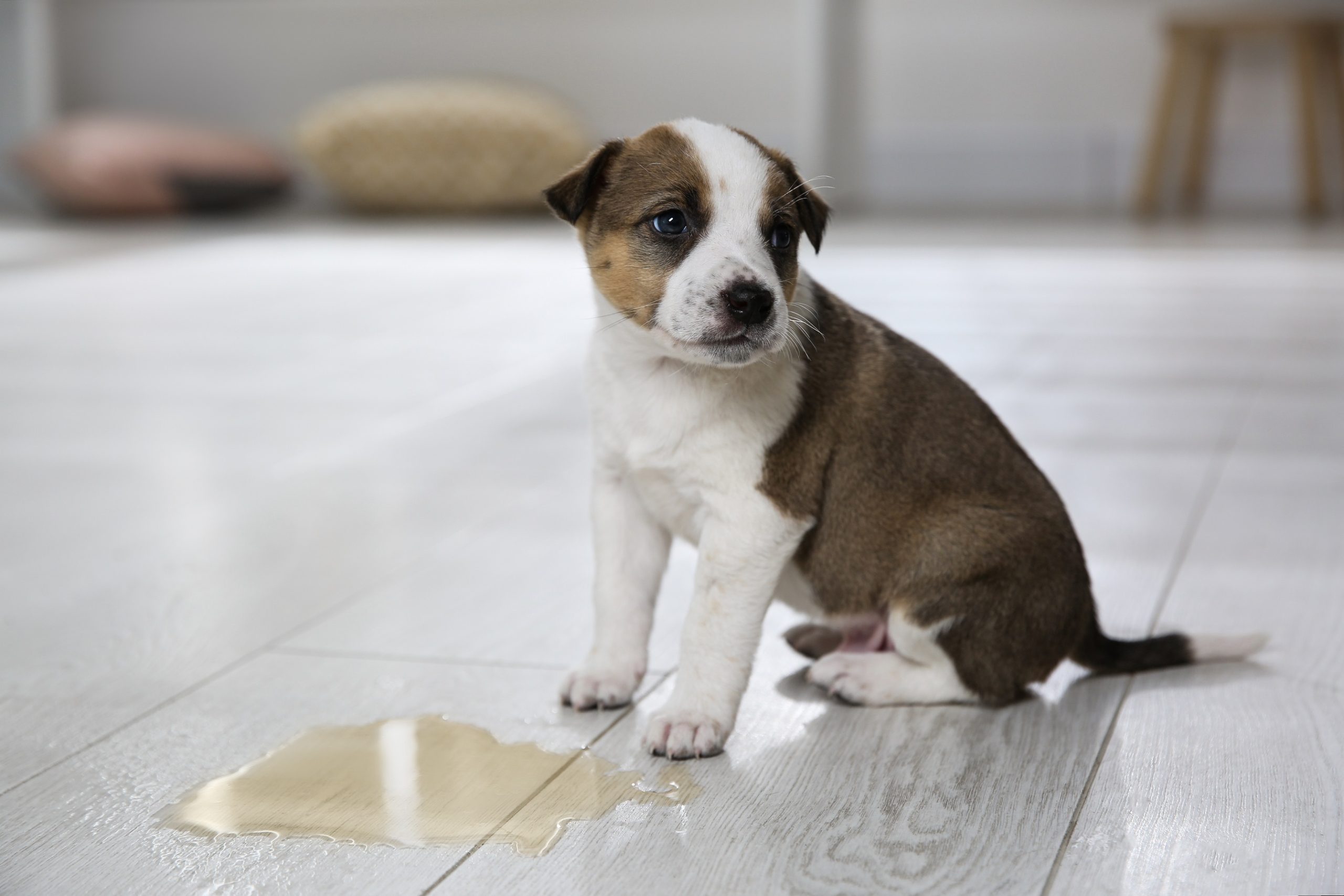
Furthermore, visual representations like the one above help us fully grasp the concept of Canine Incontinence Causes.
Dog Incontinence
As a pet parent, dealing with dog incontinence can feel frustrating and even heartbreaking. But you're not alone—and there are effective ways to manage the symptoms, support your dog's comfort, and protect your bond. In this comprehensive guide, we'll explore: Common causes of incontinence
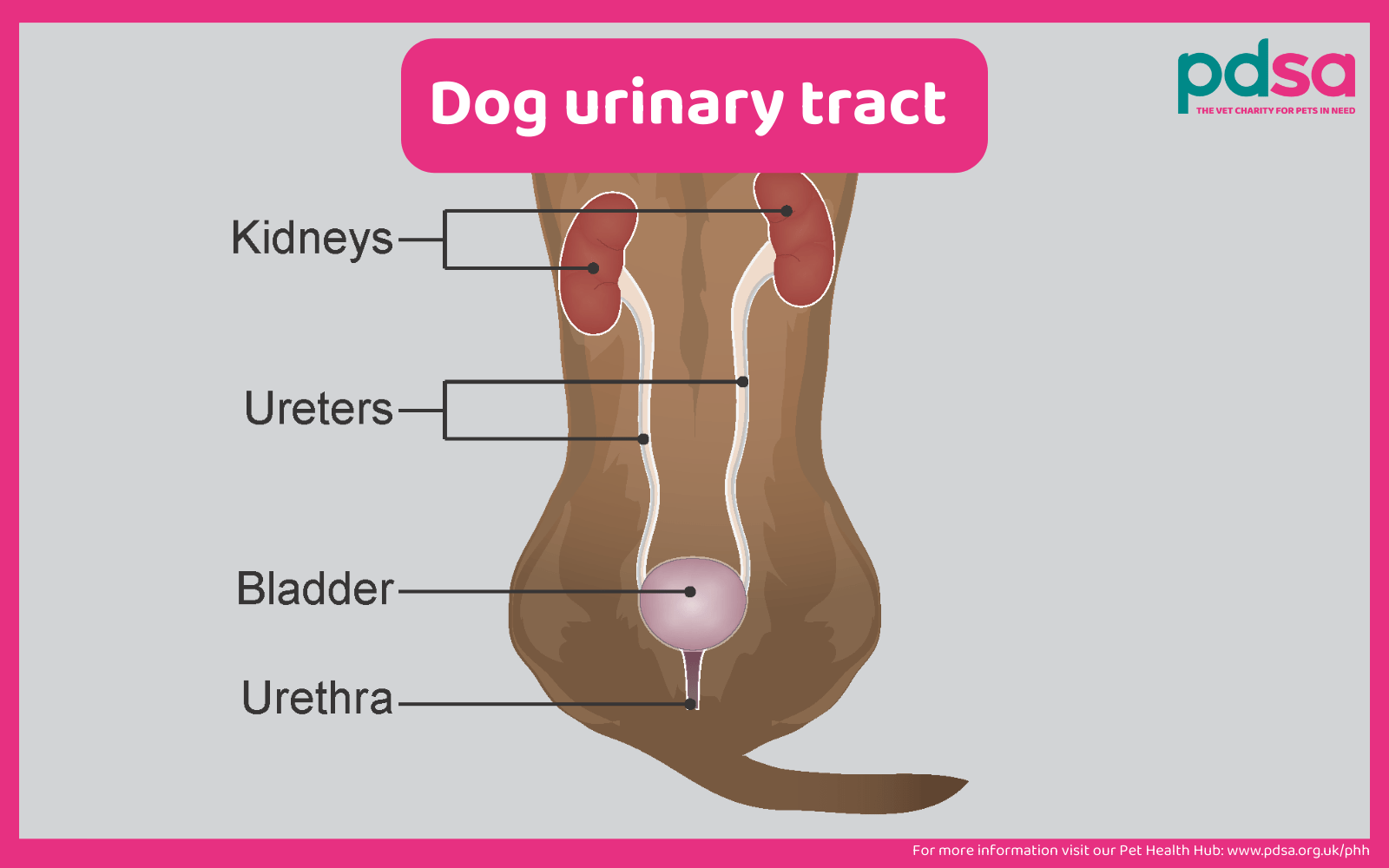
Urinary incontinence is involuntary loss of urine during the filling phase of the bladder. Male dogs are less often affected by this problem than female dogs. Causes of urinary incontinence in dogs can be divided in congenital and acquired causes .