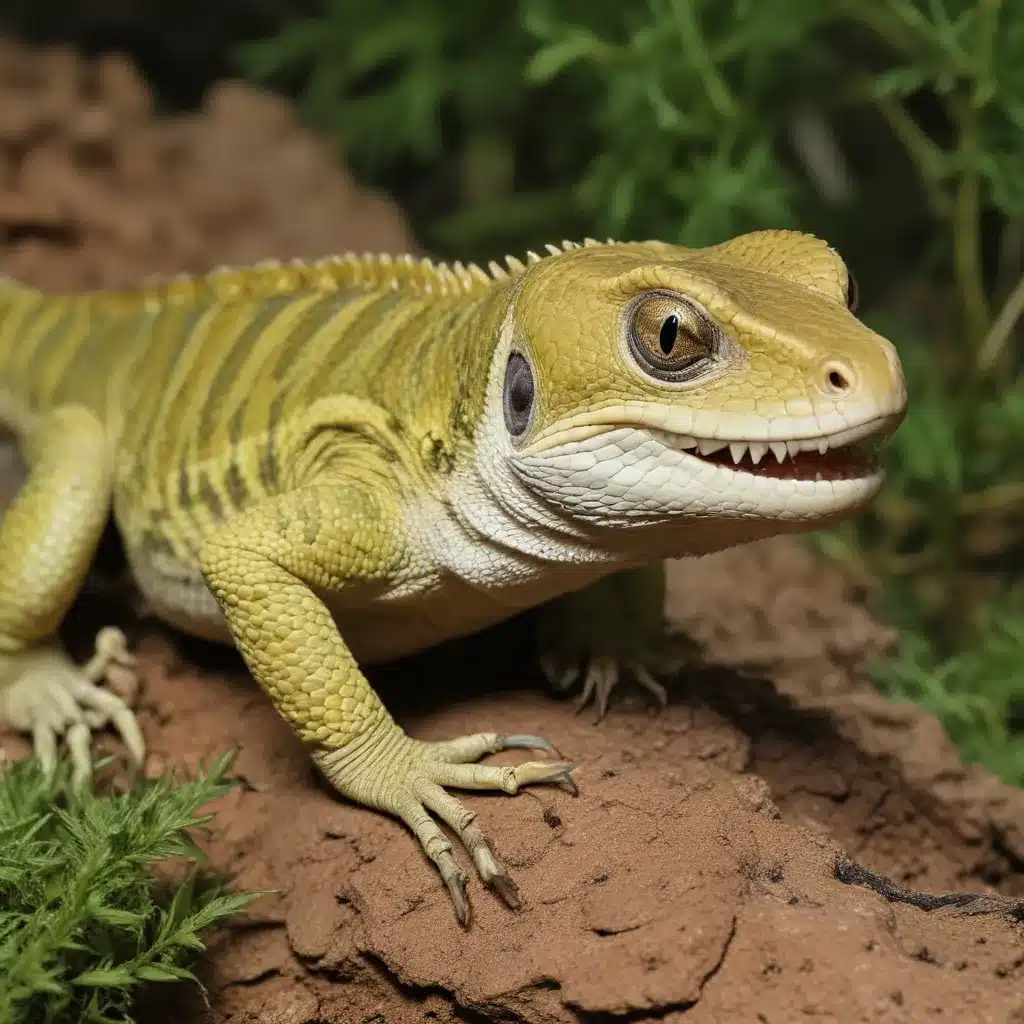
Captive Reptile Husbandry Best Practices Explained Through Breathtaking Imagery
(PDF) Putting the Evidence Into Evidence
Evidence-based husbandry practices for captive reptiles are critically under-researched, with only 72 relevant papers identified. Housing modifications, primarily alterations to enclosure furnishings, constituted 46.51% of all interventions studied.
This chapter seeks to address various common examples of arbitrary husbandry practices and refute general misconceptions that may be impacting the lives of captive reptiles , and the progression of herpetological husbandry as a whole.
Captive Reptile Husbandry Best Practices
Putting the evidence into evidence
Non-avian reptiles are commonly kept in captivity, including zoos, aquariums, farms, laboratories, classrooms, rehabilitation centres, and homes. With this wide range of captive conditions and potential diversity of species housed, it is crucial to ensure that these animals are housed appropriately.
Captive Reptile Husbandry Best Practices
Such details provide a deeper understanding and appreciation for Captive Reptile Husbandry Best Practices.
A systematic scoping review was performed to examine publications that evaluated modifications in the maintenance of captive reptiles with the aim to improve welfare.
NCS20161973 Code of Practice Captive reptile and amphibian husbandry