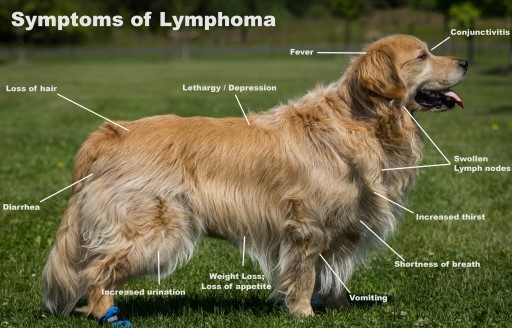
Lymphoma in Dogs & Cats
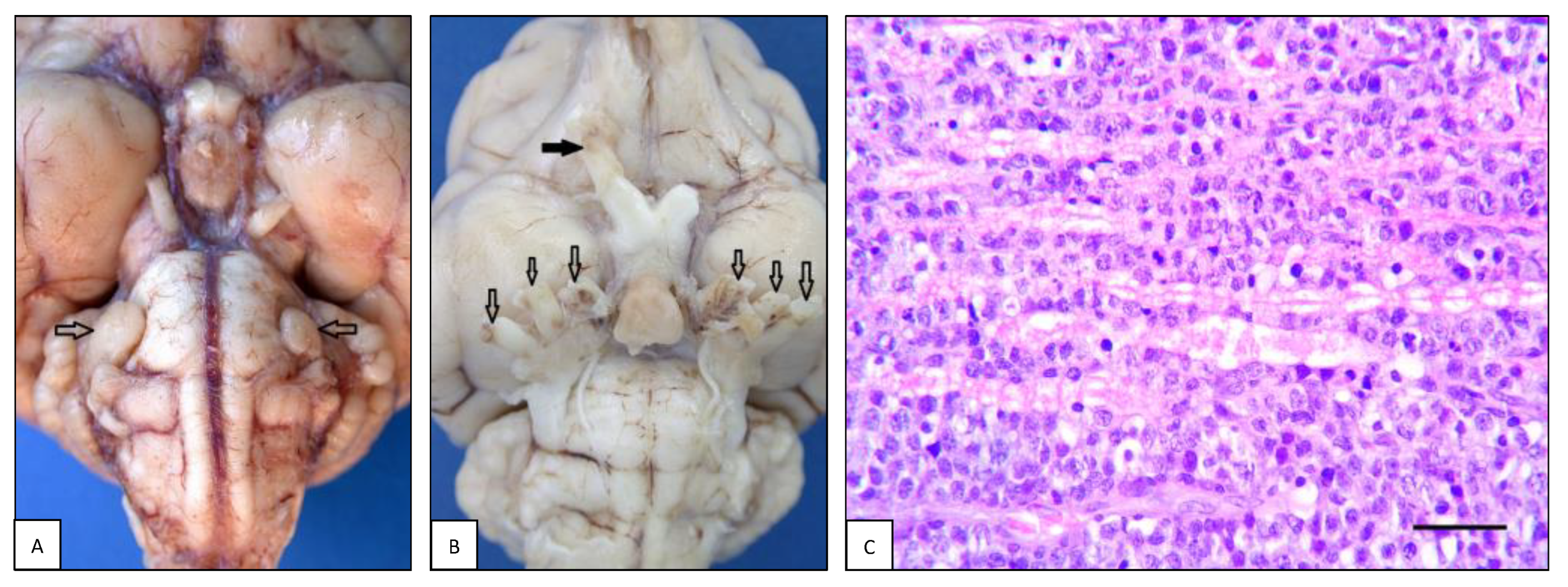
The literature about nervous system lymphoma (NSL) in dogs and cats is fragmentary, based on a few case series and case reports with heterogeneous results. The aim of our study was to retrospectively analyze 45 cases of canine and 47 cases of feline NSL and compare our results with previously reported data, also providing an extensive literature review. Breed, age, gender, clinical signs, type ...
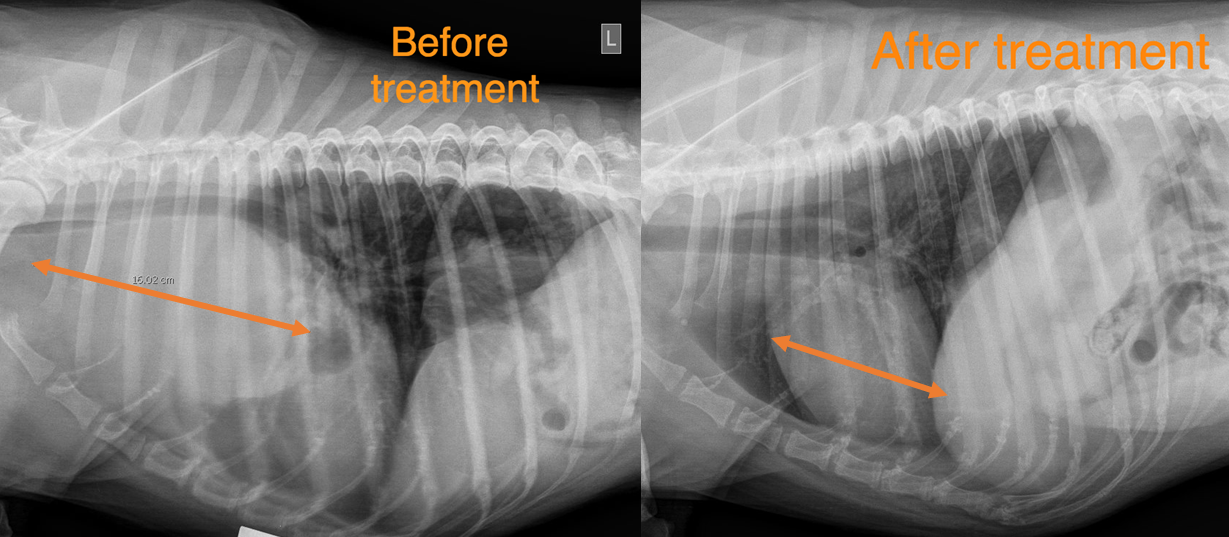
Treating lymphoma in dogs and cats

This particular example perfectly highlights why Cat Lymphoma In Dogs is so captivating.
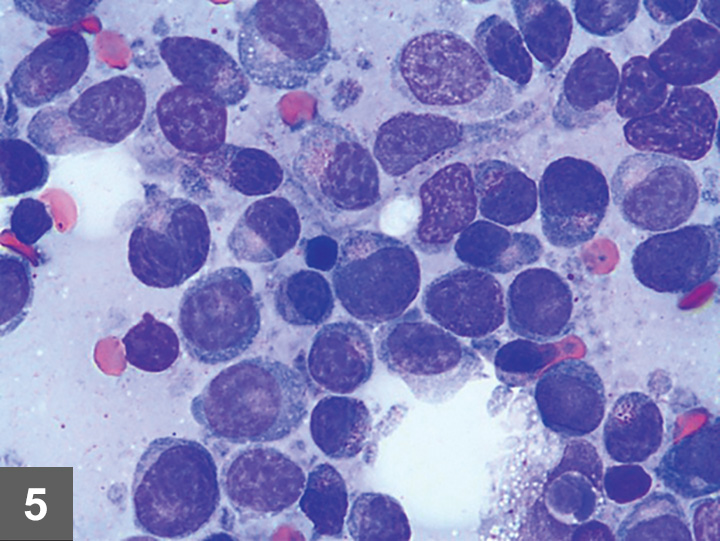
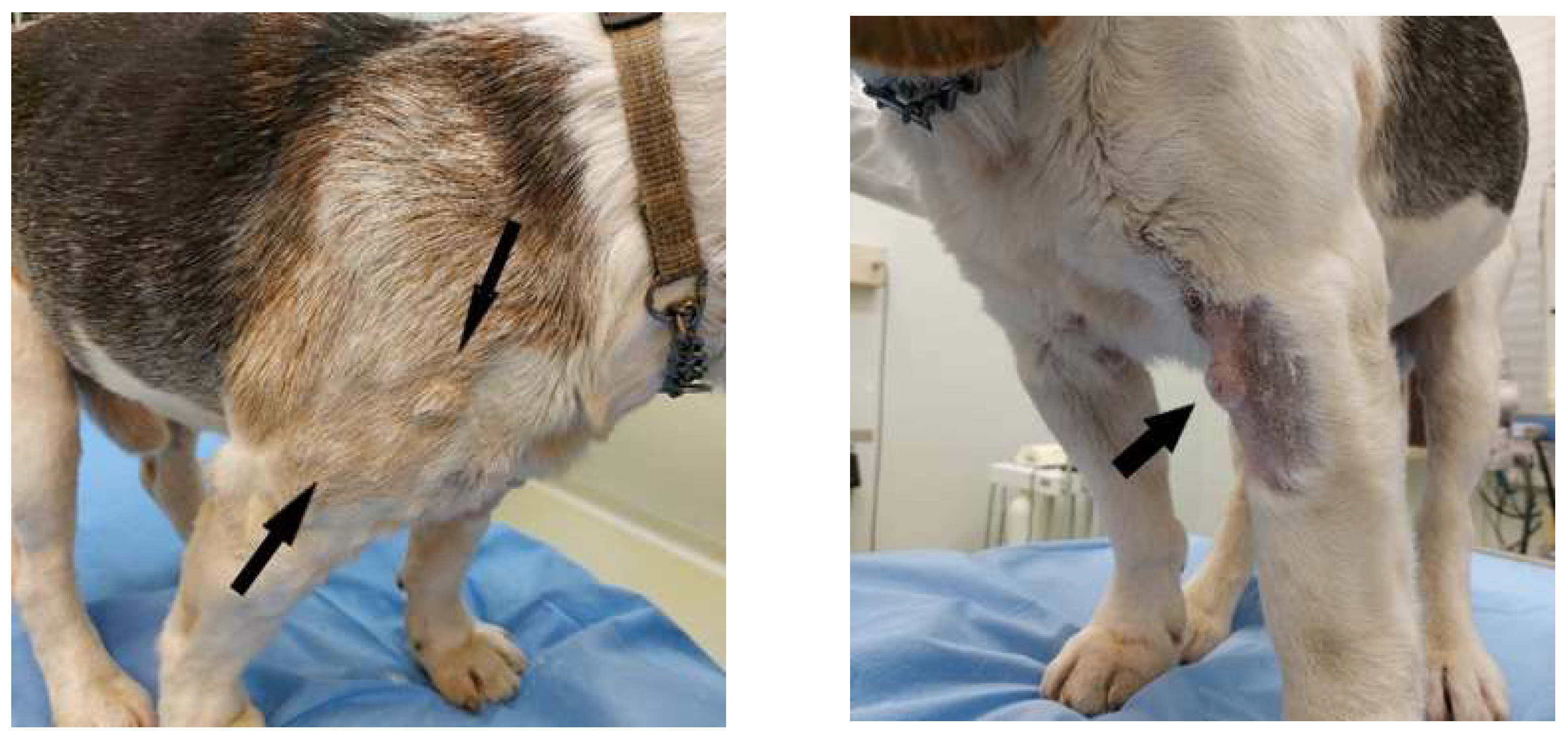
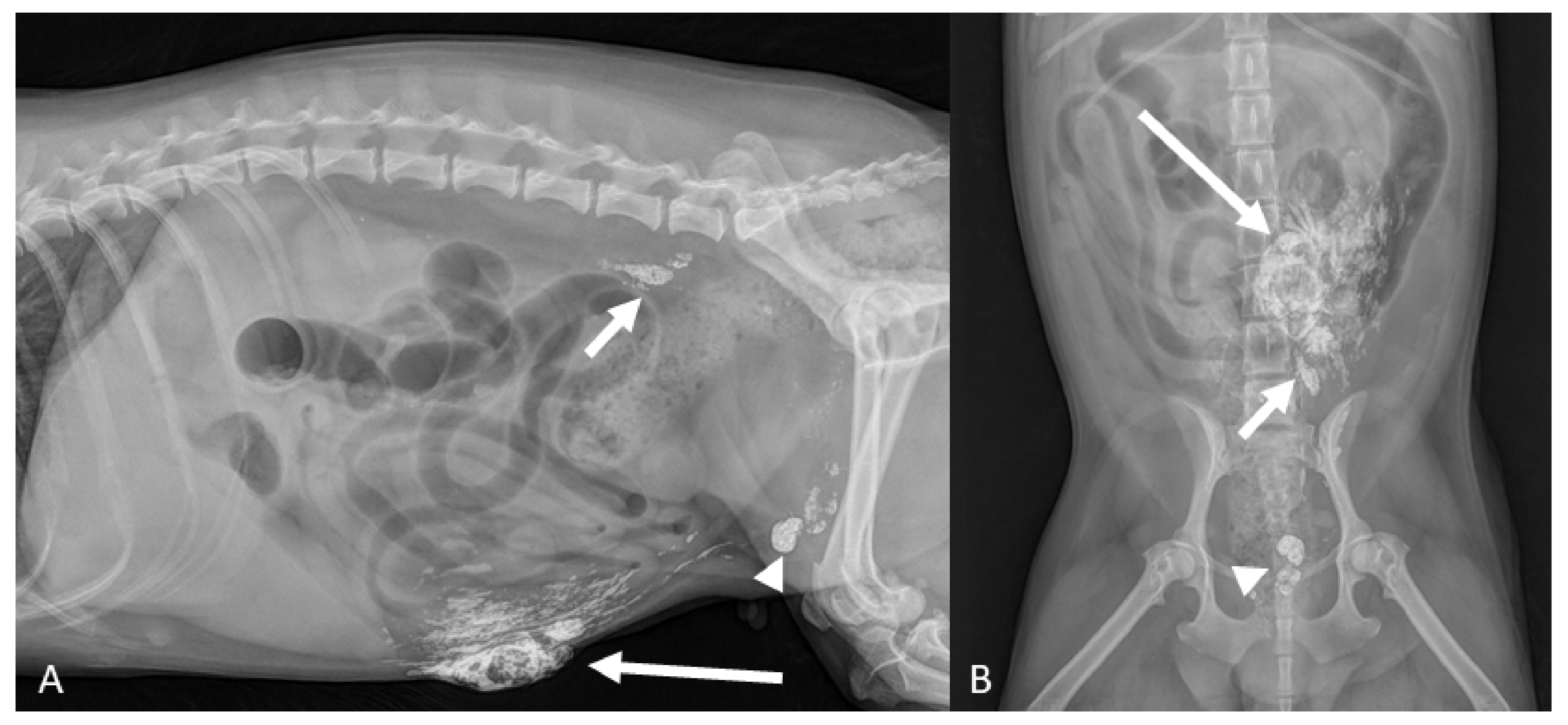
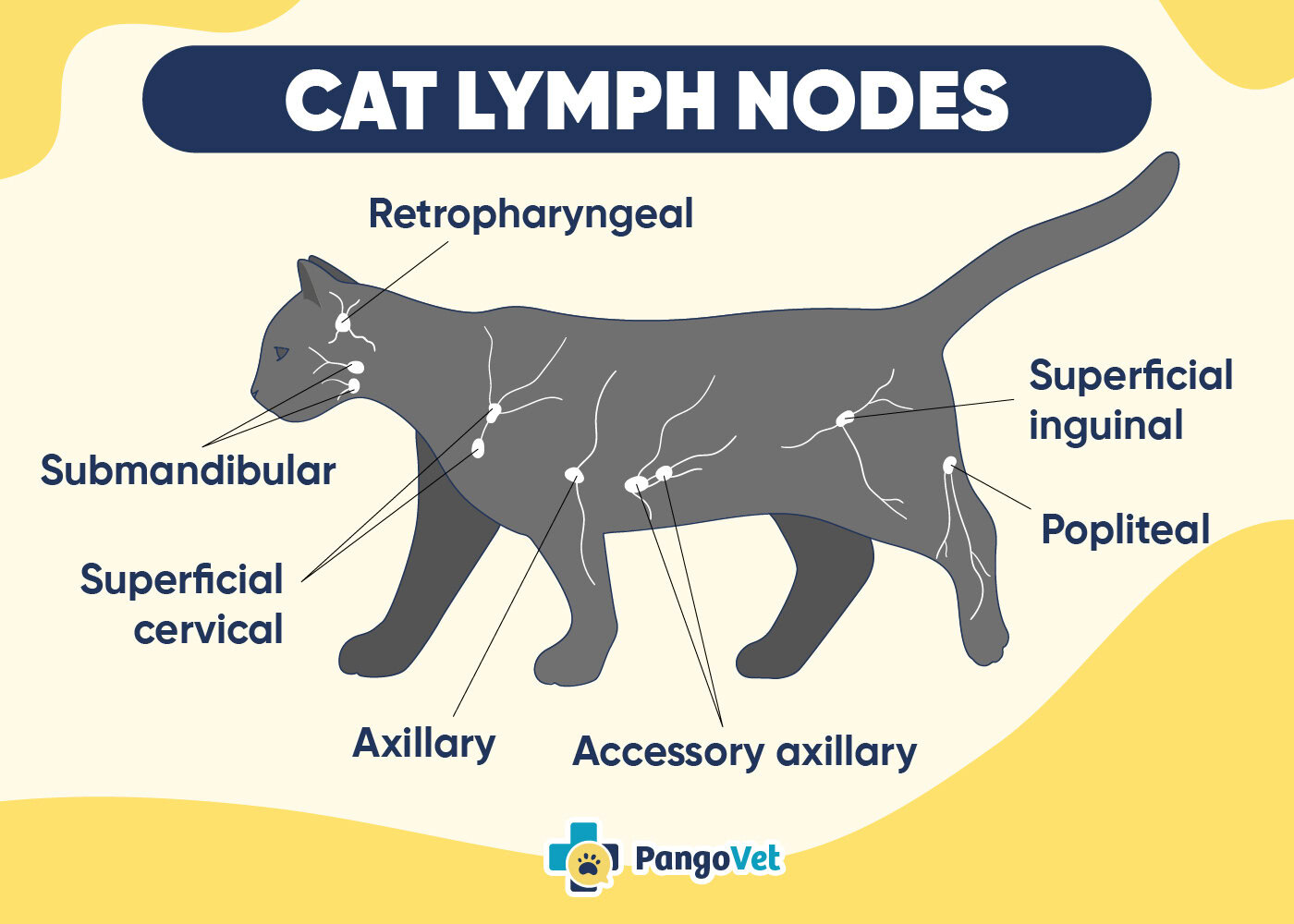
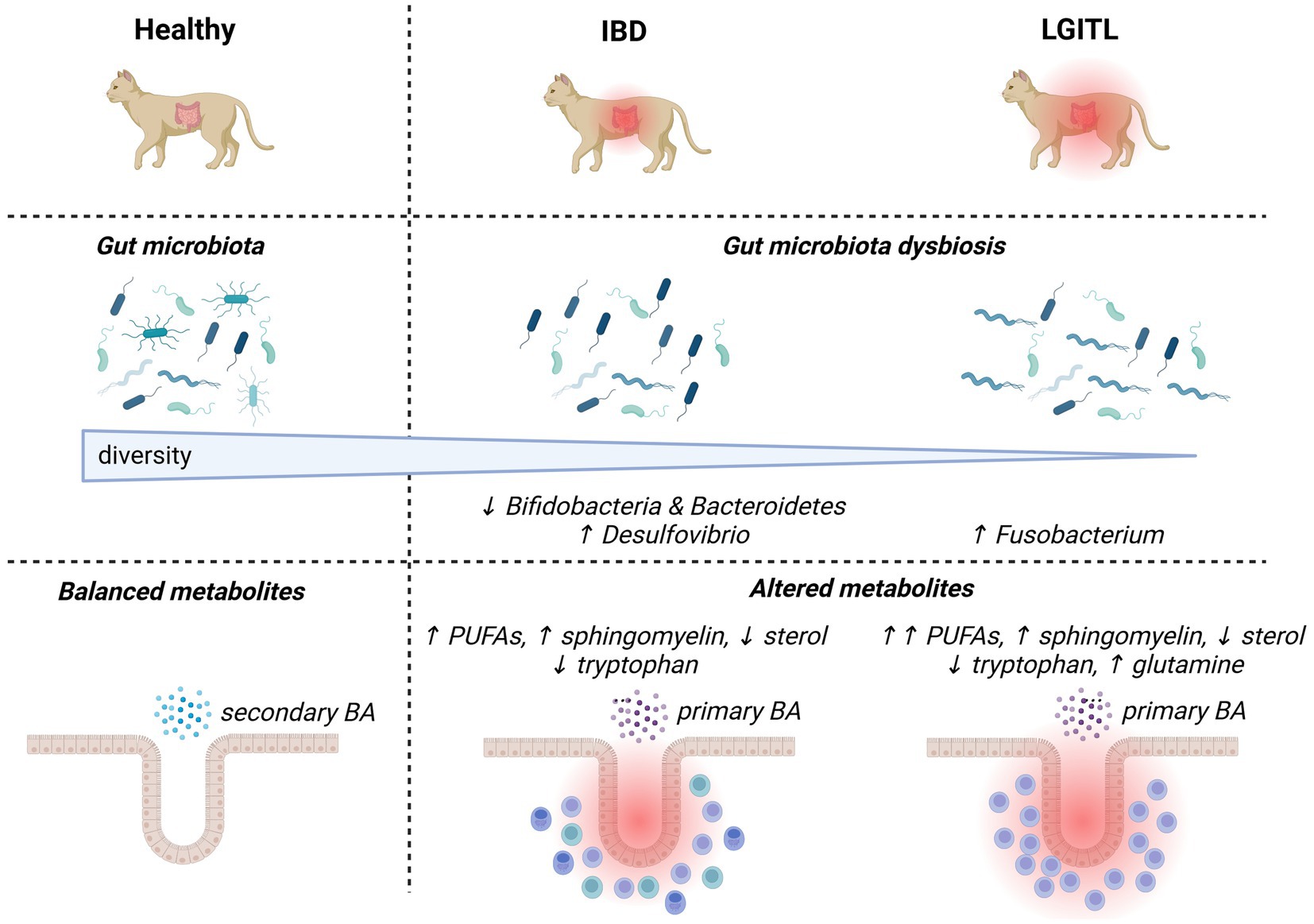
Lymphoma is the most common hematopoietic neoplasm affecting both dogs and cats and results from the malignant transformation of lymphocytes. Lymphoma often arises from primary and secondary lymphoid tissues, including the thymus, spleen, lymph nodes, and gut-associated lymphoid tissues (Figures 1A, 1B, & 2). However, because lymphocytes are capable of trafficking throughout the body, the ...
Hope Veterinary Specialists Malvern, Pennsylvania The following drugs can be used in the management of lymphoma in dogs and cats . Part 2 will discuss chlorambucil, corticosteroids (prednisone and derivatives), cytarabine, mechlorethamine, and procarbazine.
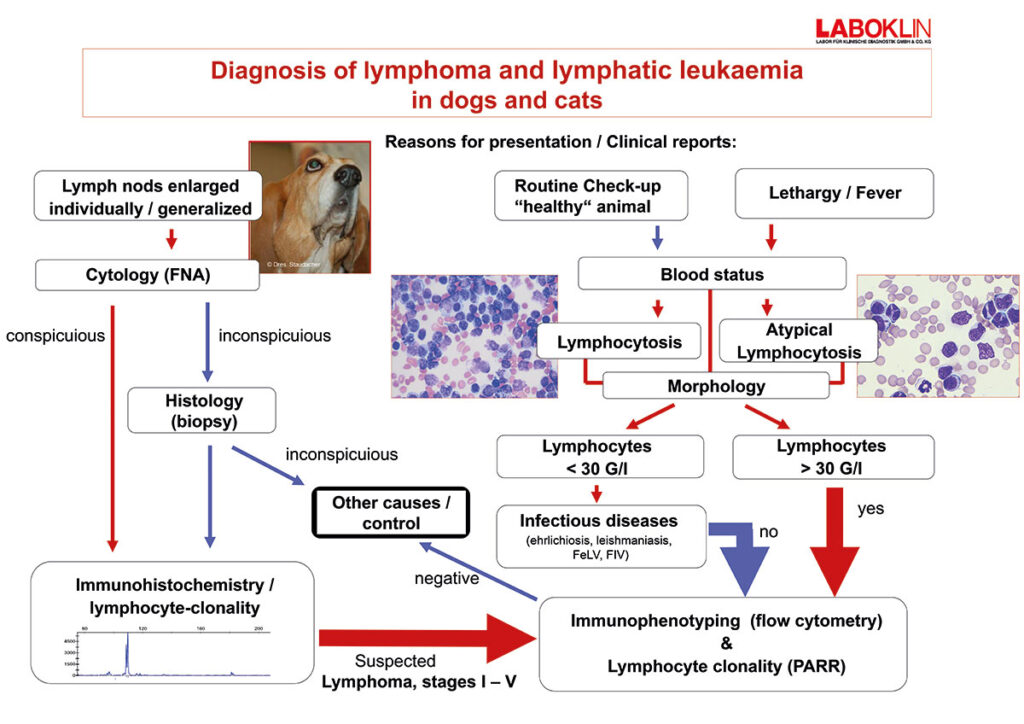
This particular example perfectly highlights why Cat Lymphoma In Dogs is so captivating.
Feline lymphoma
Background: Lymphoma is a neoplasm of the lymphoid tissue, which may present with localised or systemic clinical signs. Unlike dogs that commonly present with multicentric disease, mostly involving the lymphoid organs (eg, lymph nodes), feline lymphoma can present as visceral (eg, spleen/liver/gut), extranodal (eg, CNS/skin) or nodal in origin, with clinical presentation dependant on the ...