Cell Dedifferentiation And Transdifferentiation In Diabetes
Breathtaking Photos and Facts About Cell Dedifferentiation And Transdifferentiation In Diabetes
Overview of Cell Dedifferentiation And Transdifferentiation In Diabetes
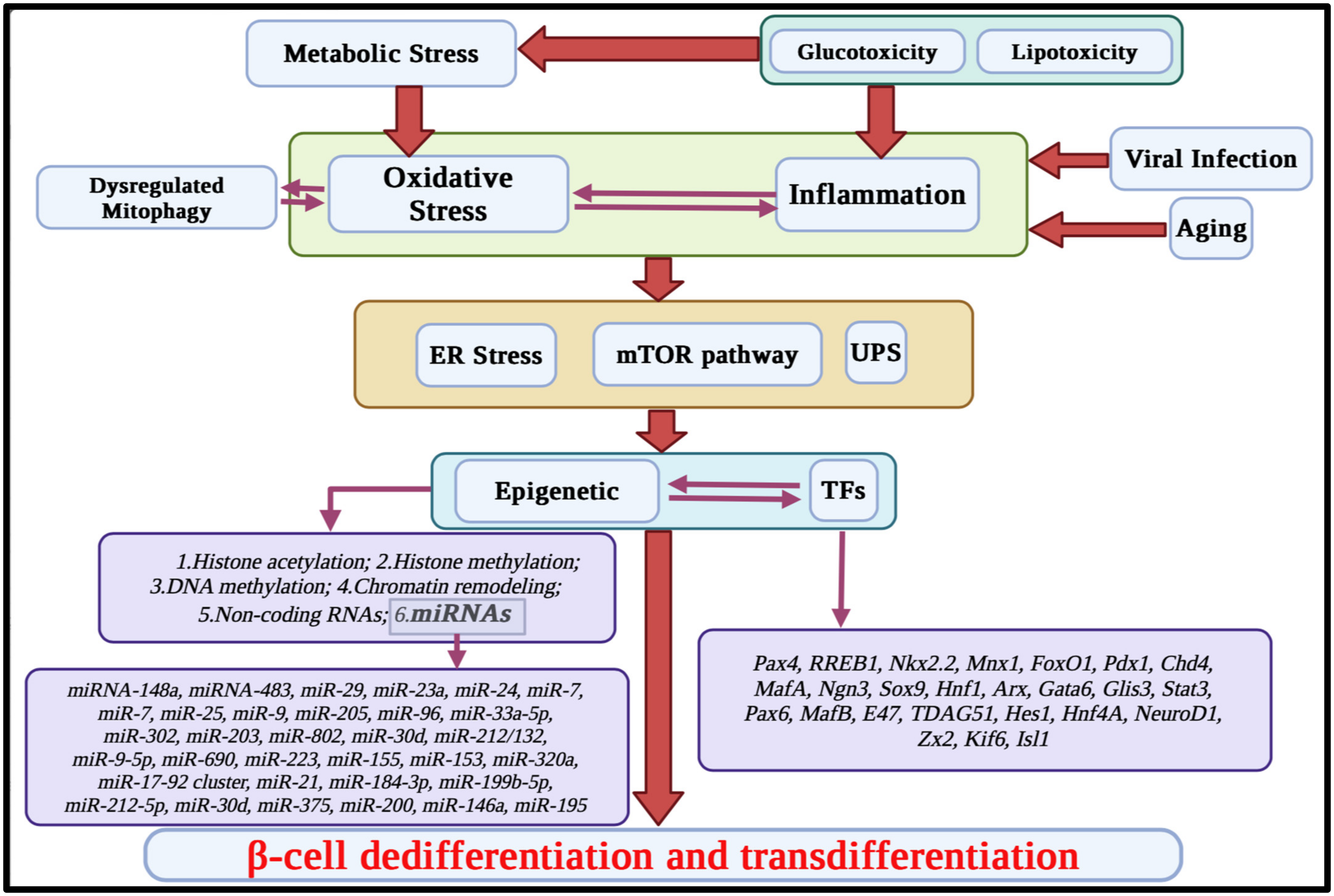
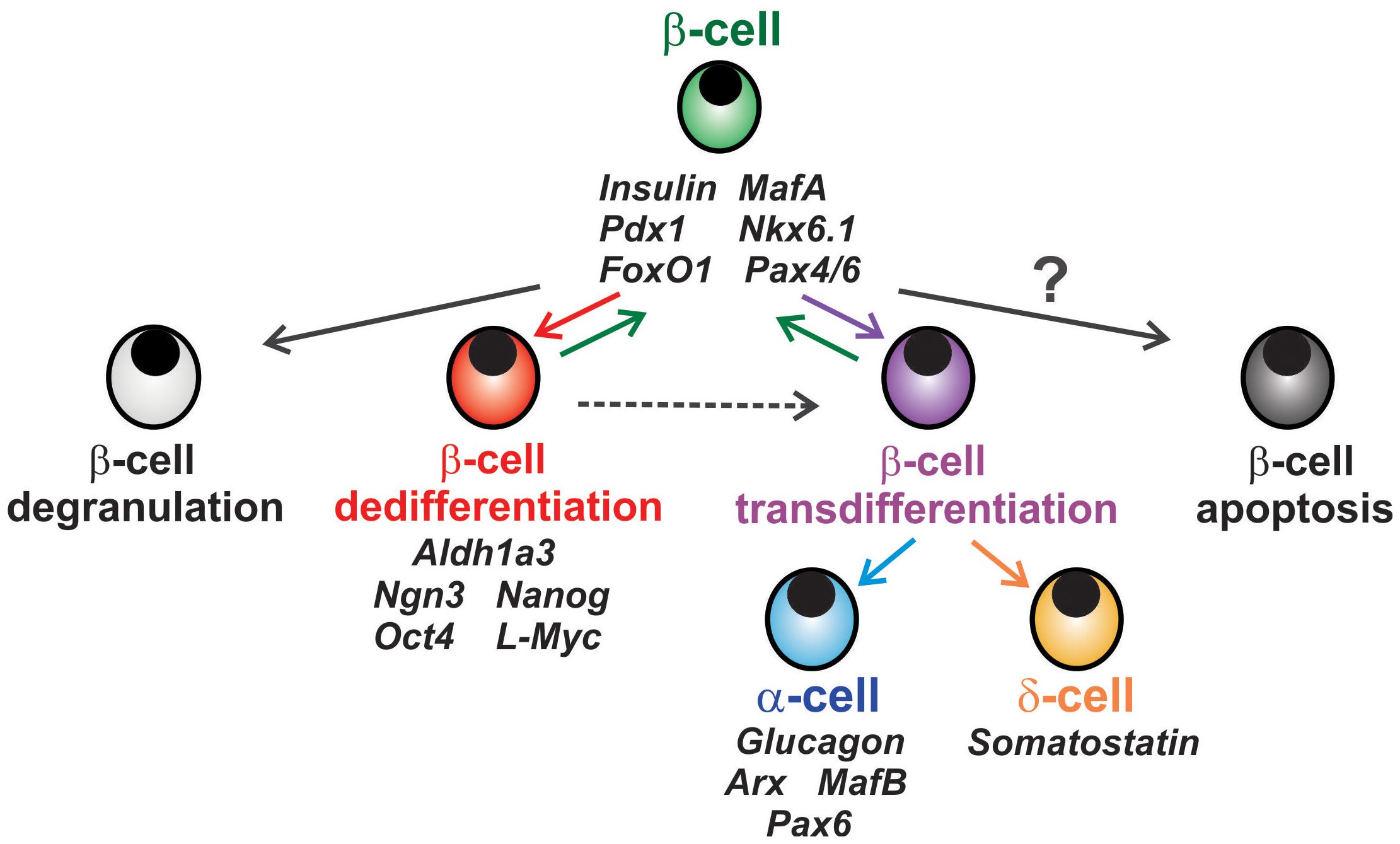
In this review, we discuss the findings regarding β- cell dedifferentiation and transdifferentiation in diabetes , and evidence supporting prevention and even reversion of these processes leading to restoration of β- cell identity and function.
Cell Dedifferentiation And Transdifferentiation In Diabetes
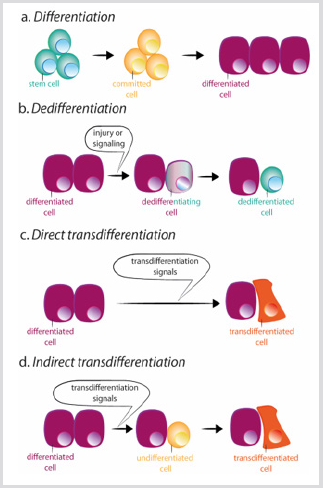
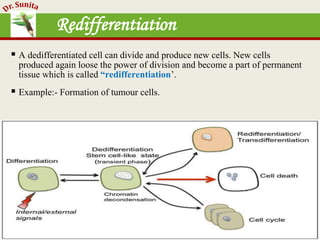
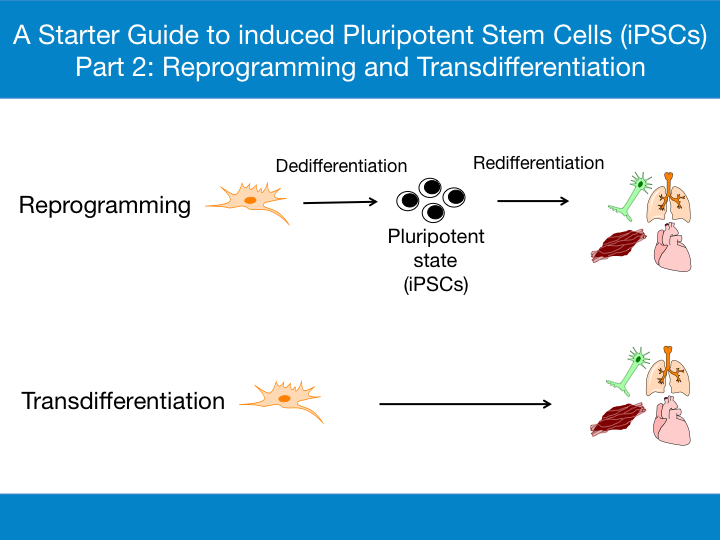
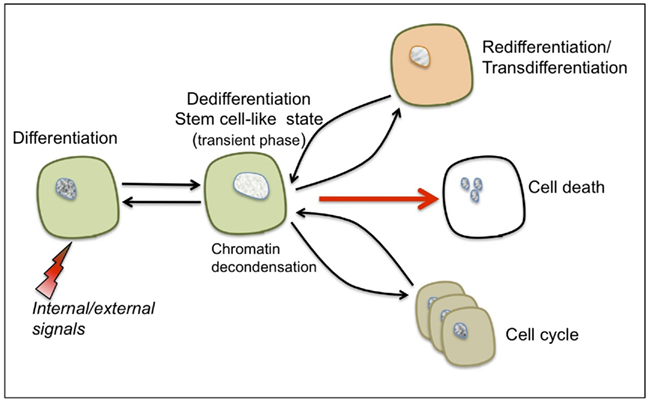
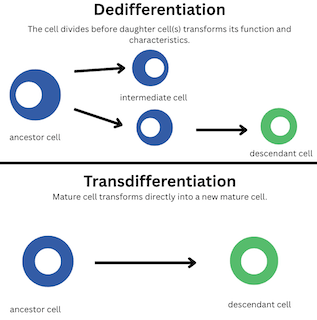
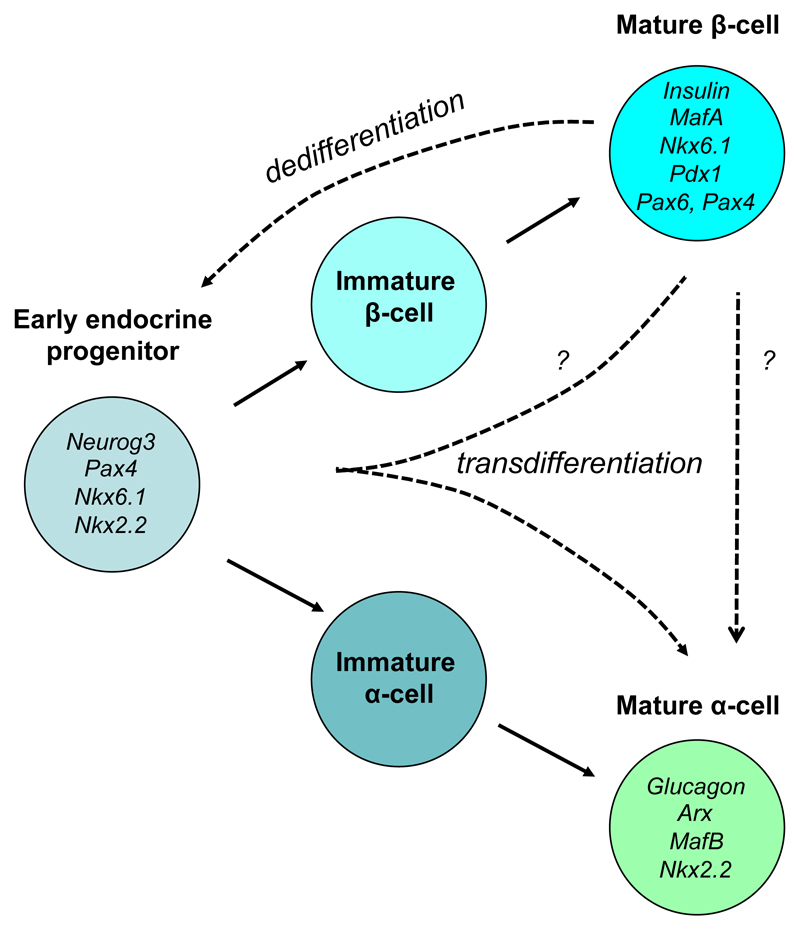
Data cumulated over the past several years suggest that increased β- cell dedifferentiation plays a crucial role in the progression of diabetes , shedding new light on potential targets for β- cell replacement therapy. In this review, we summarize current views on β- cell dedifferentiation , redifferentiation, and transdifferentiation .
Cell Dedifferentiation And Transdifferentiation In Diabetes
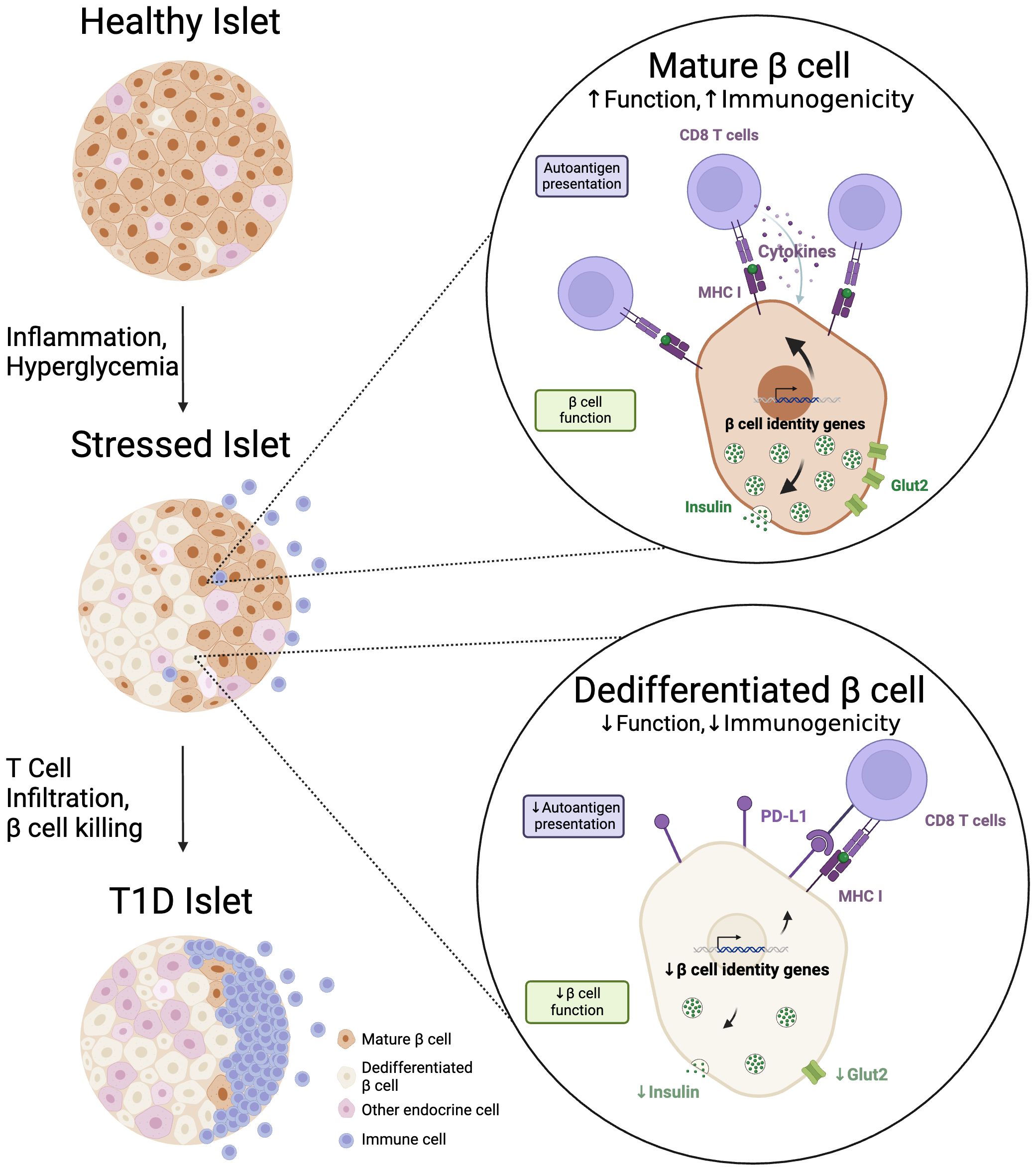
Aims/hypothesis Pancreatic beta cell dedifferentiation underlies the reversible reduction in beta cell mass and function in diabetes . Exploratory research into interventional targets and adjuvant therapies to prevent or reverse beta cell dedifferentiation and transdifferentiation may provide evidence to support the effective treatment of diabetes , although the underlying molecular mechanism ...
Cell Dedifferentiation And Transdifferentiation In Diabetes
This particular example perfectly highlights why Cell Dedifferentiation And Transdifferentiation In Diabetes is so captivating.
Useful Notes on Cell Dedifferentiation And Transdifferentiation In Diabetes
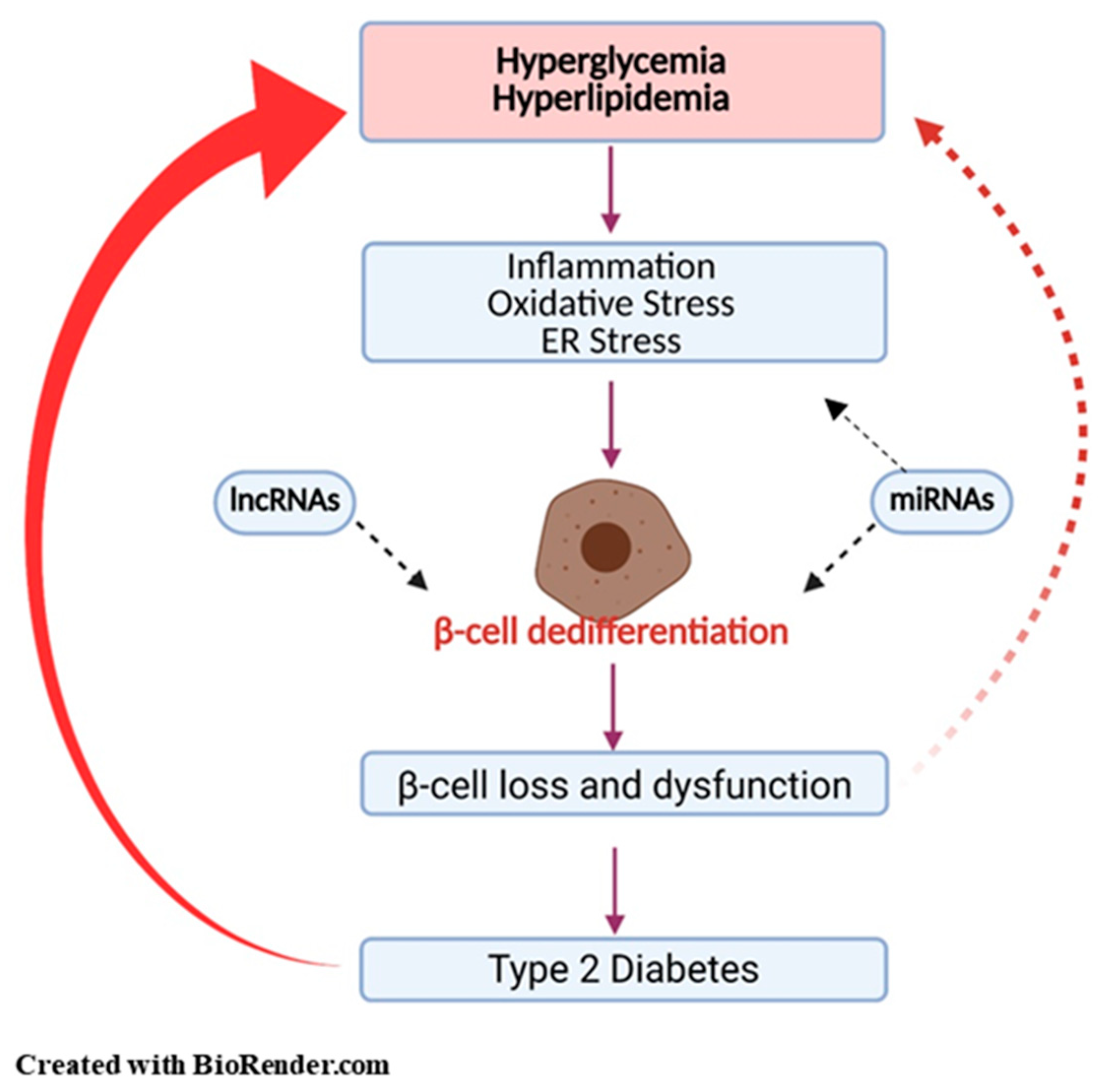
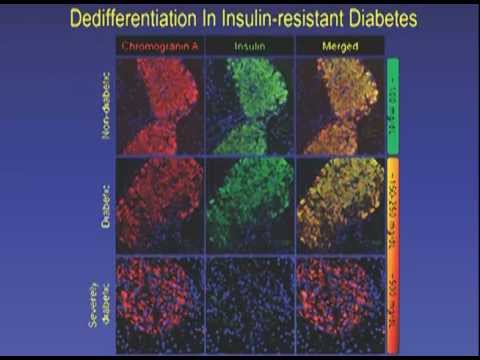
Type 2 diabetes is increasingly recognized as a β- cell dysfunction disorder, with apoptosis and dedifferentiation being key factors in insulin secretion loss. β- cell dedifferentiation is a regression from a mature insulin-secretory phenotype to a progenitor-like state, characterized by the loss of key transcription factors such as pancreatic ...
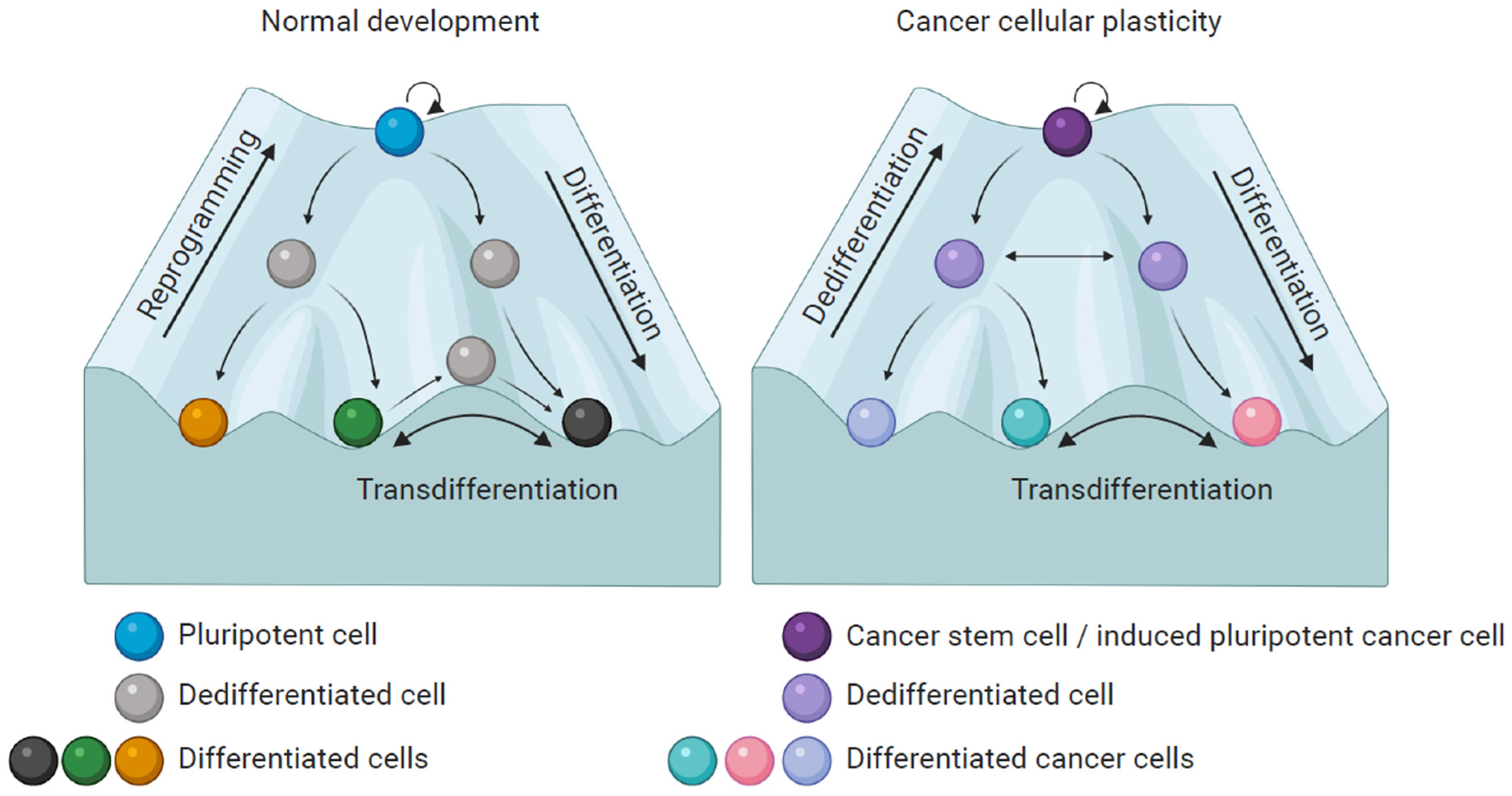
The occurrence of dedifferentiation and transdifferentiation in β- cells in response to chronic hyperglycemia suggests that islet cells have a high degree of plasticity.