Chronic Lymphocytic Leukemia in Cats (Chronic Lymphocytic Leukemia, CLL ...
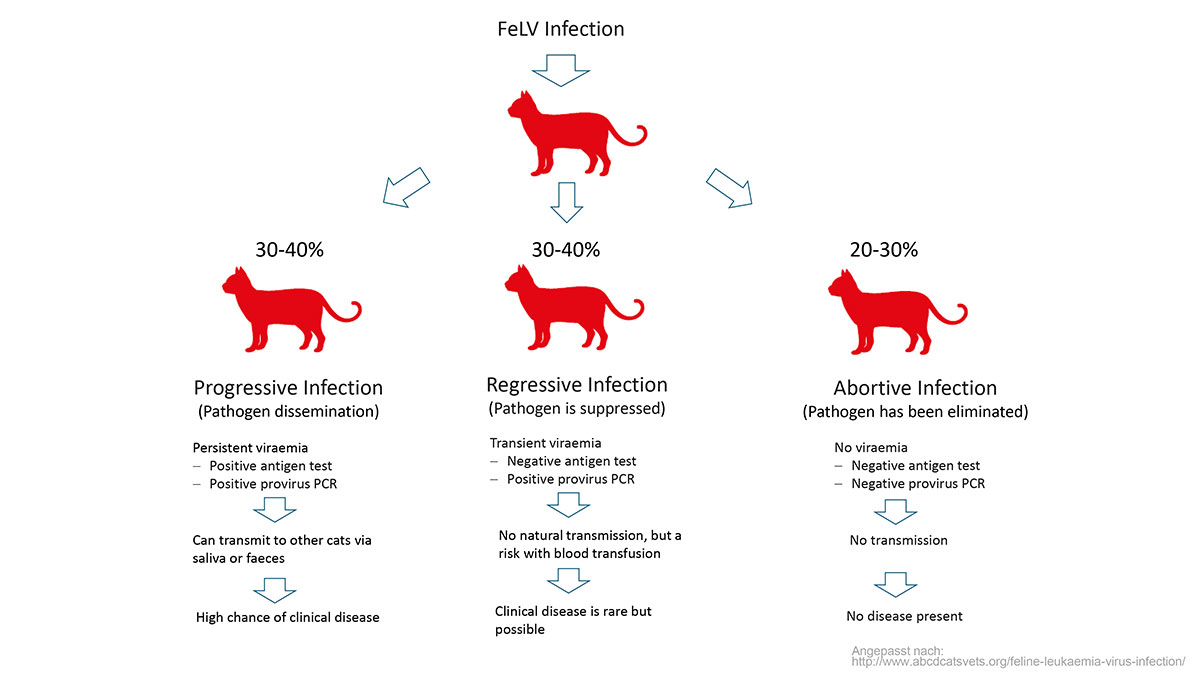
Chronic Lymphocytic Leukemia (CLL) in cats : Causes, symptoms, and treatment of cancer originating from white blood cells.

In acute leukemia , many immature abnormal cells replace normal bone marrow cells, causing severe illness, anemia, and low numbers of platelets. The outlook for affected cats is generally poor, and treatment is relatively ineffective over the long term. In chronic leukemia , the abnormal cells are more mature.
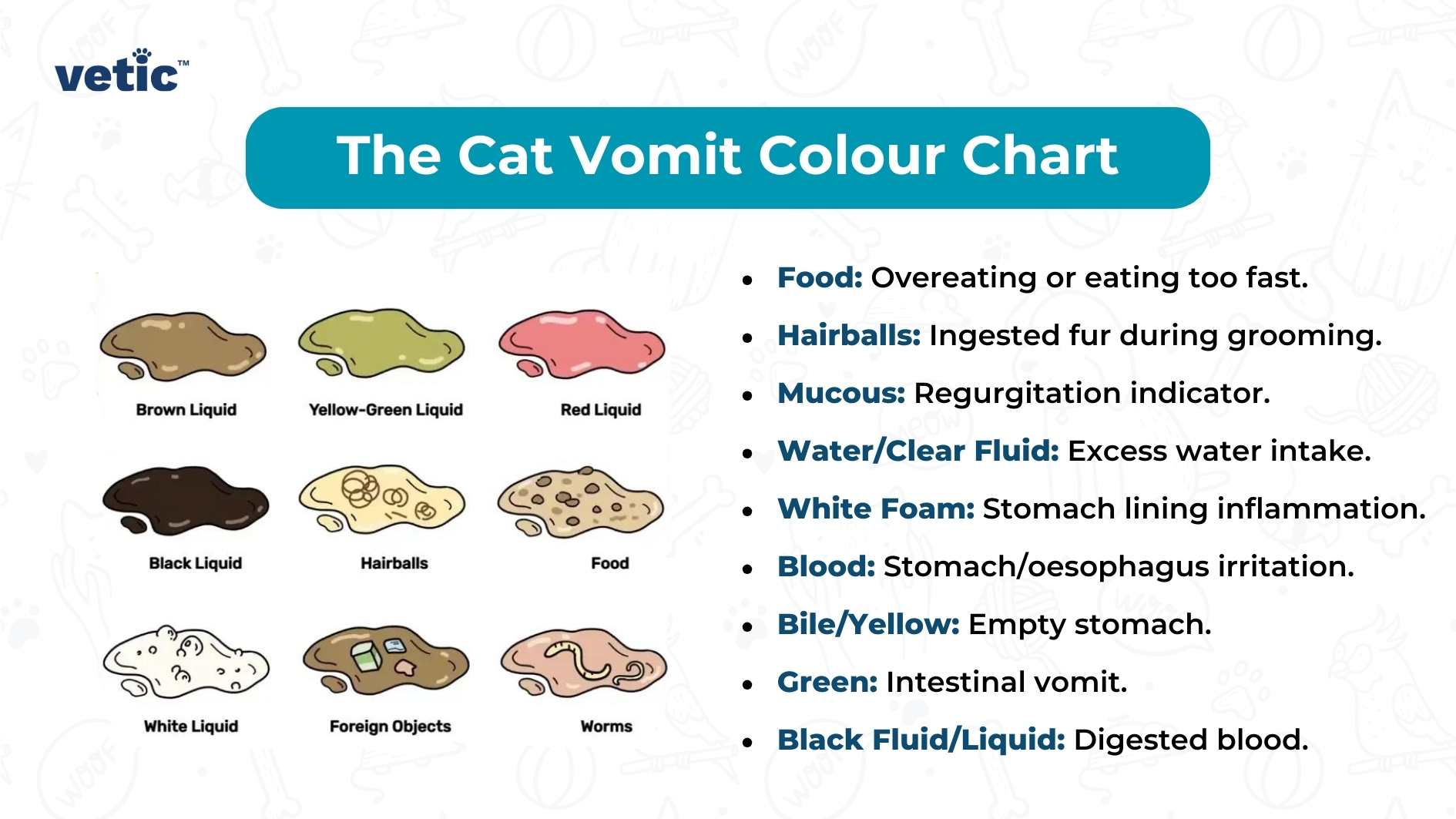
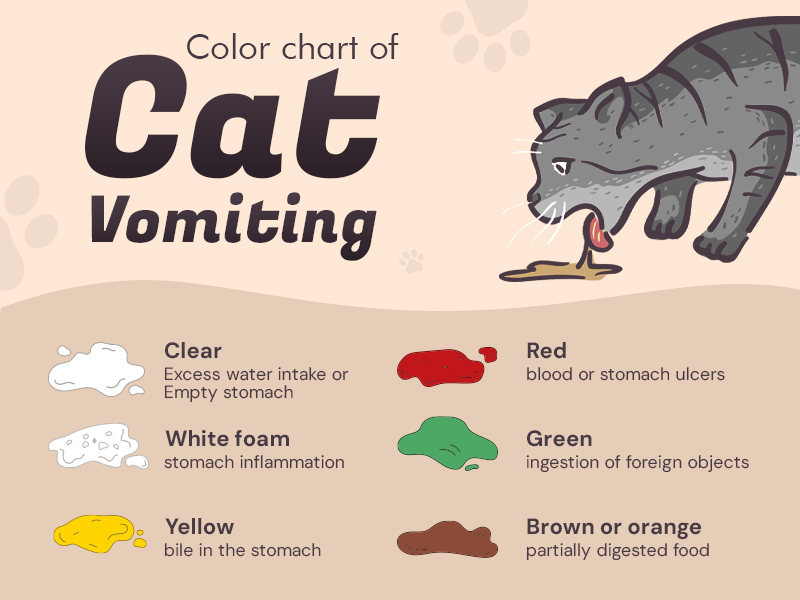
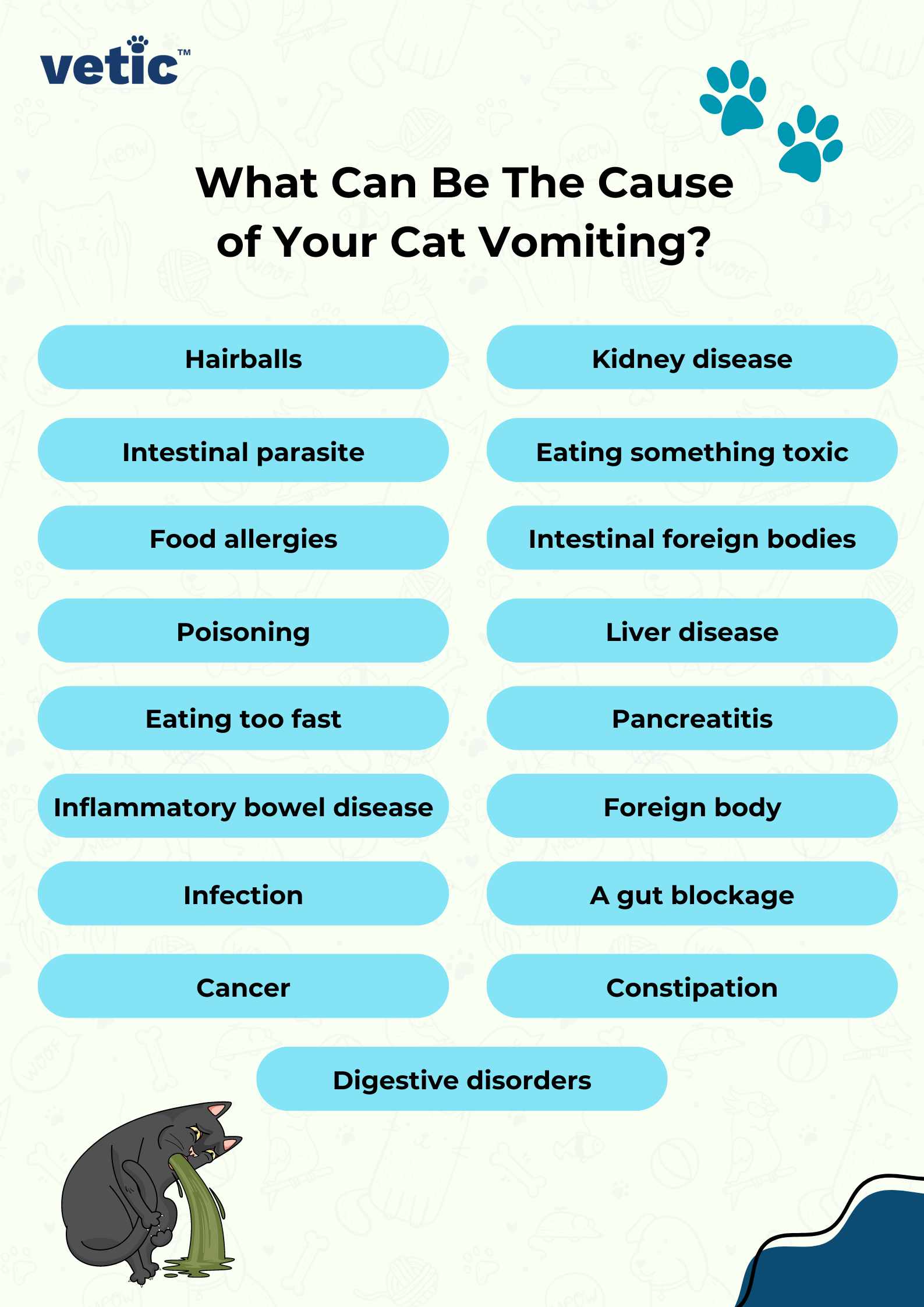
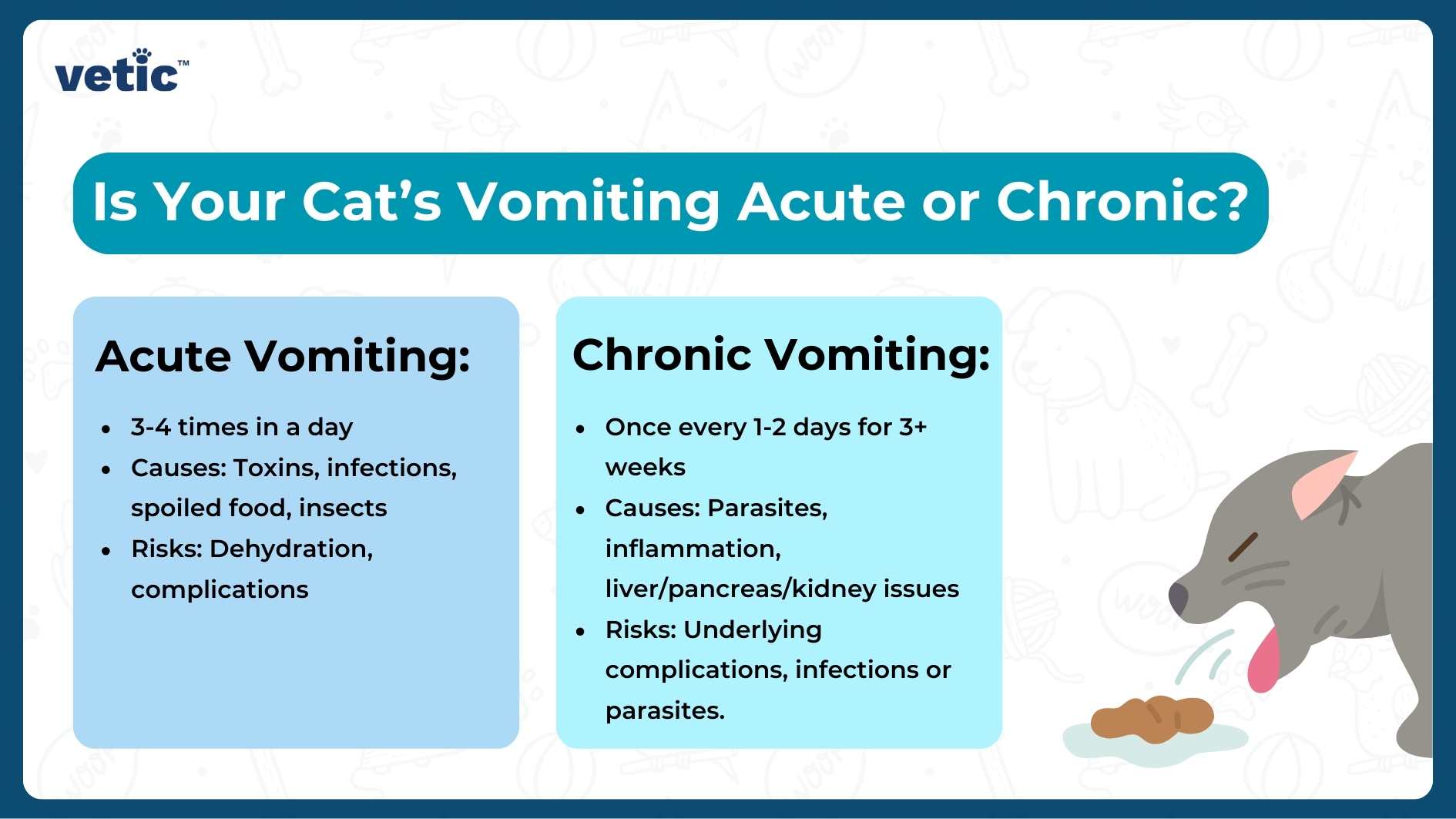
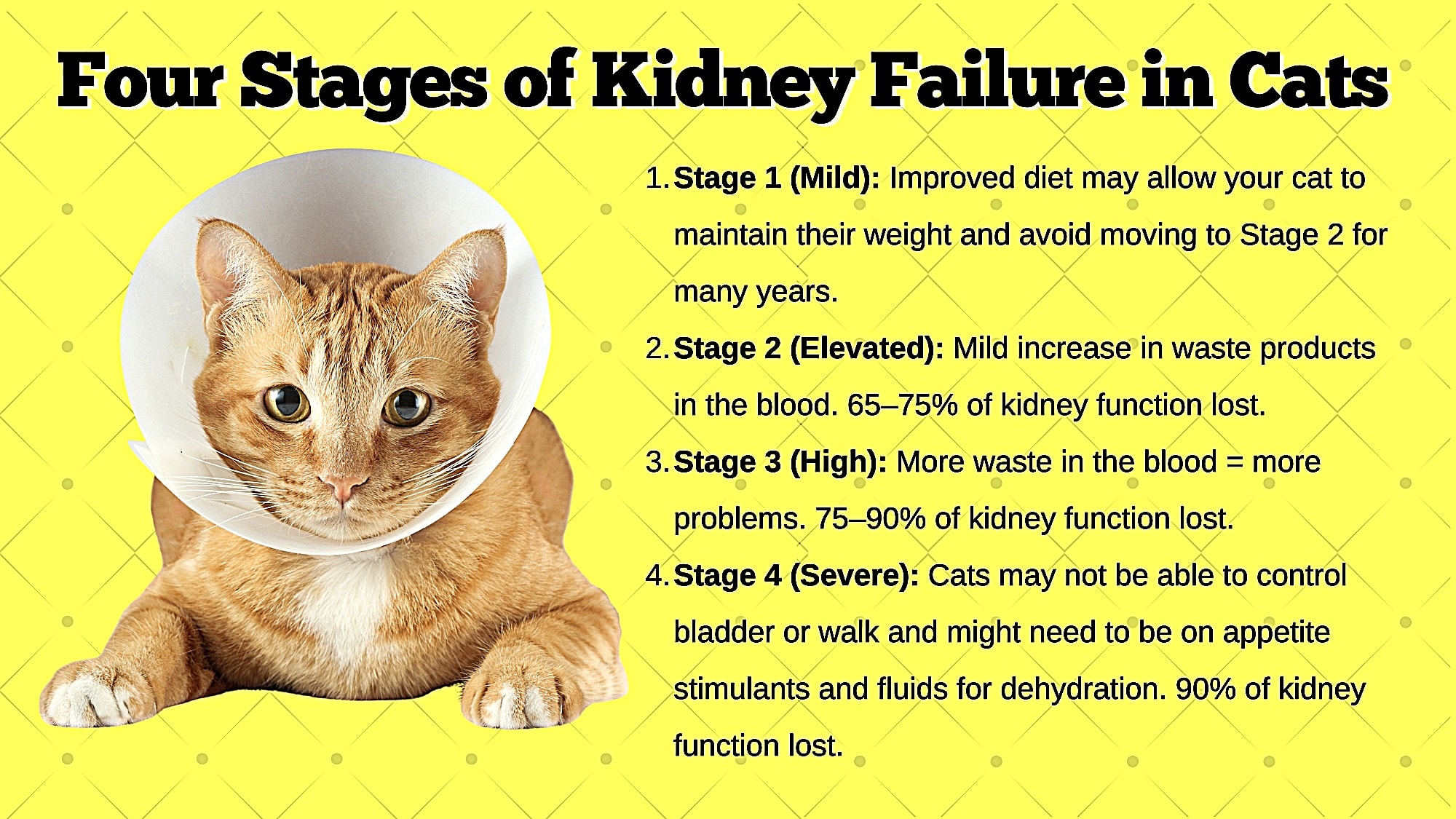
Moving forward, it's essential to keep these visual contexts in mind when discussing Chronic Leukemia In Older Cats And Vomiting.
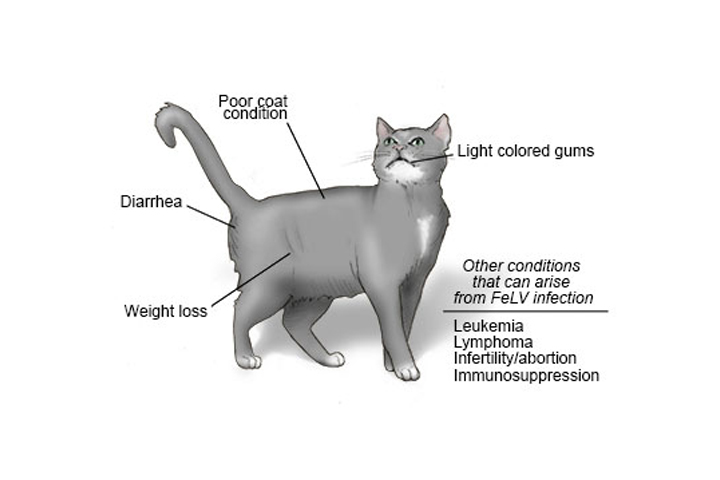
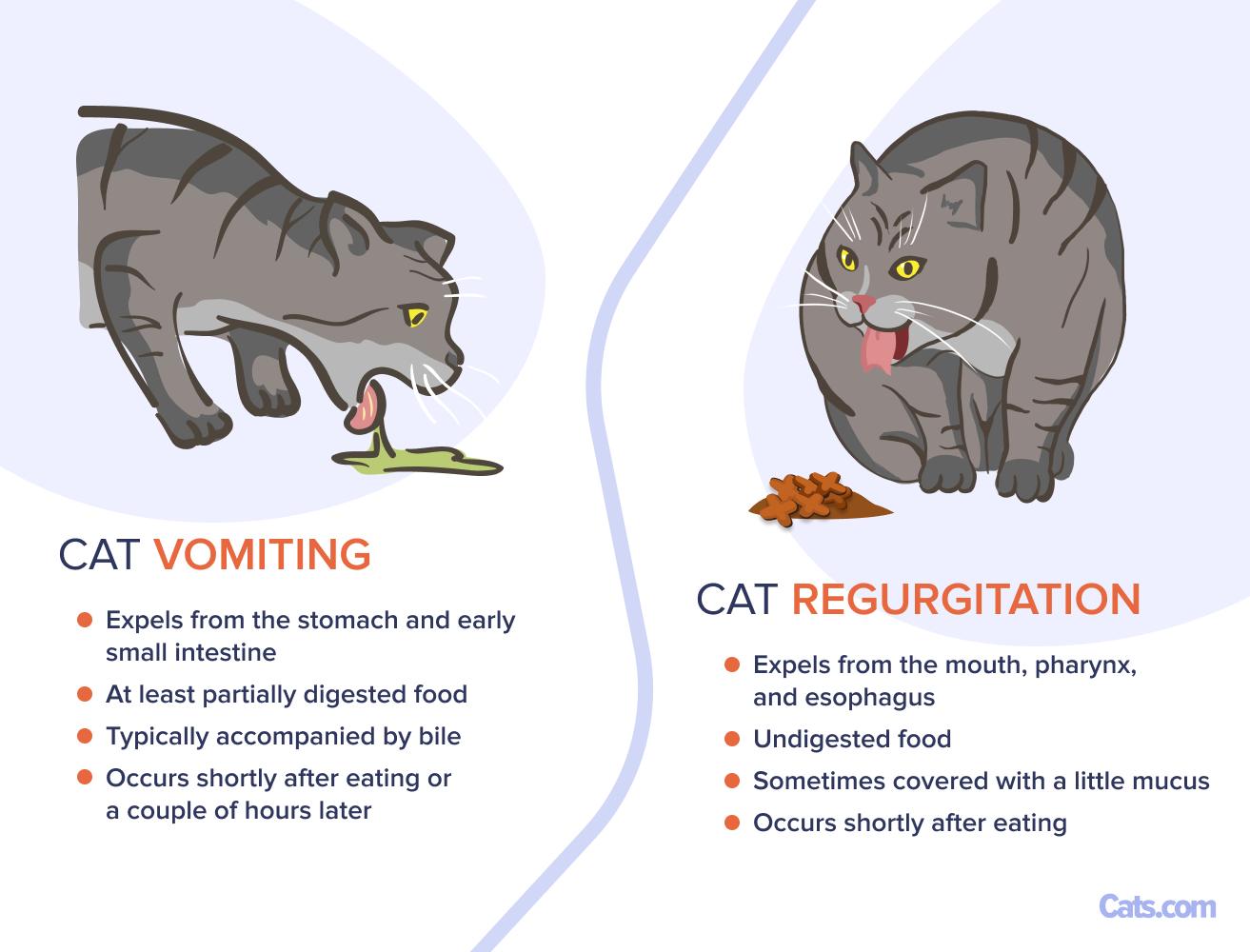
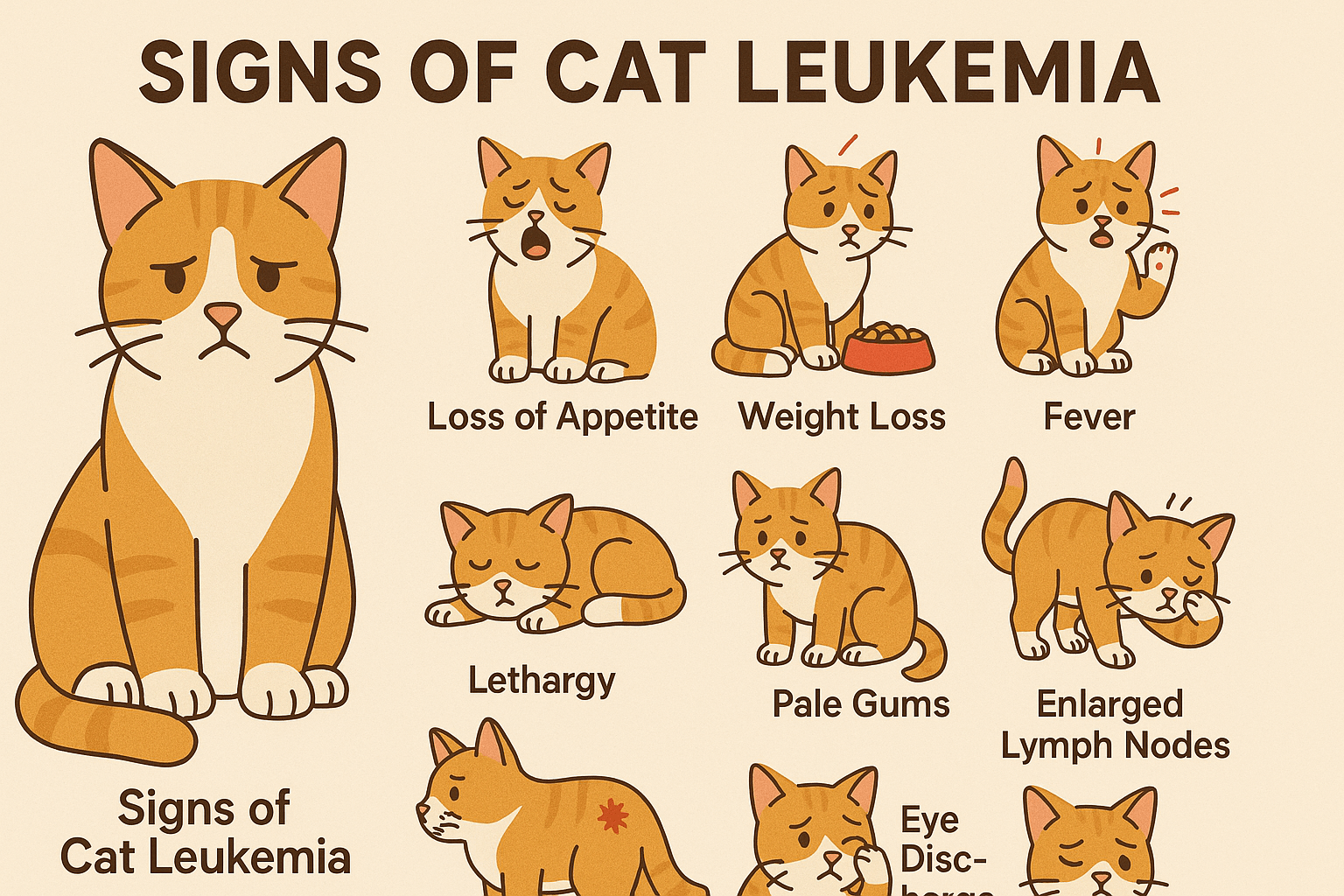
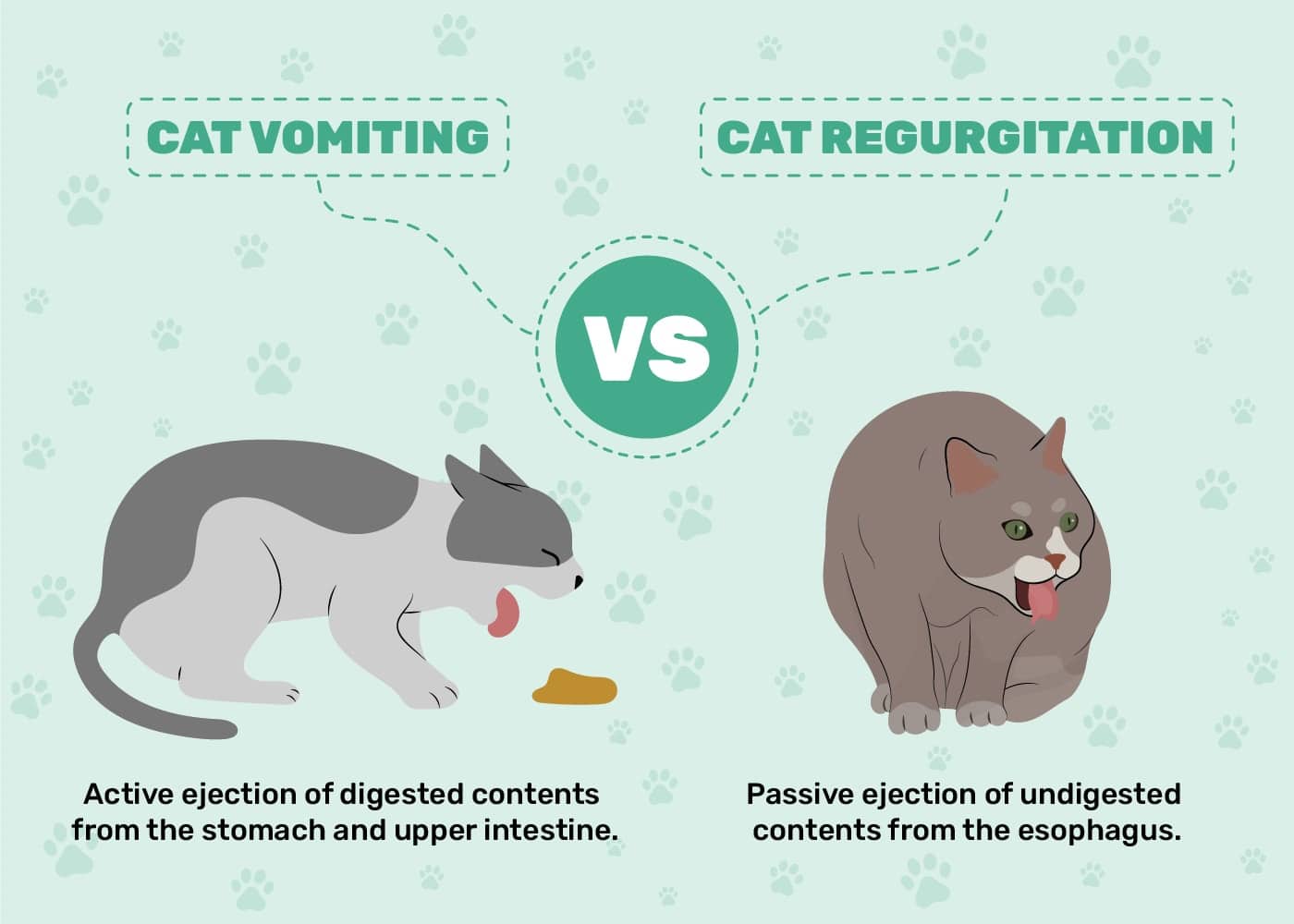
The most common form of lymphoma is intestinal lymphoma. Cats with intestinal lymphoma will have gastrointestinal signs, such as: Vomiting Weight loss Diarrhea Lethargy Eating habit changes The tummy may change in shape and size Other forms of lymphoma outside the digestive system have varying signs, depending on which system is affected. These include mediastinal (chest) lymphoma and renal ...

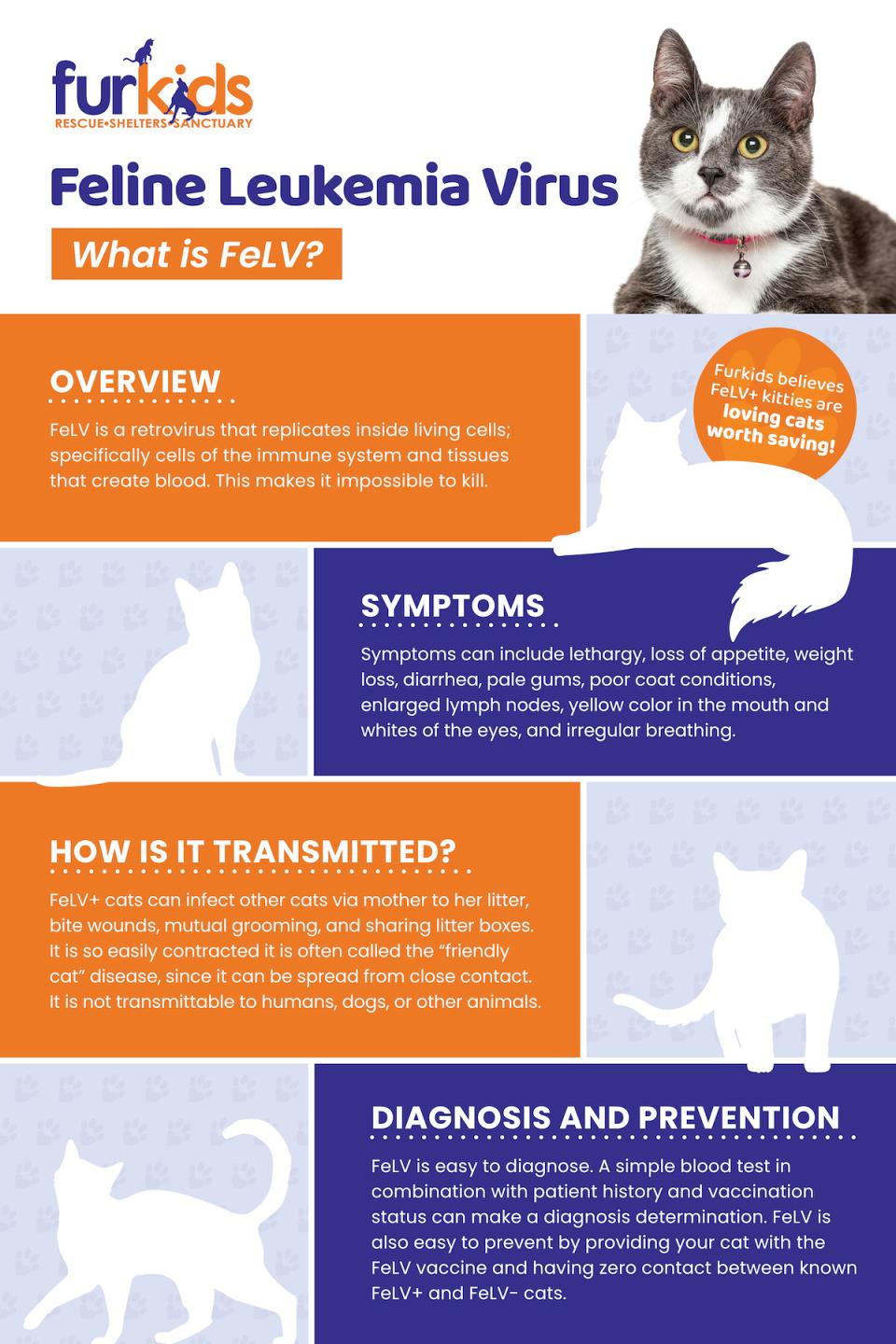
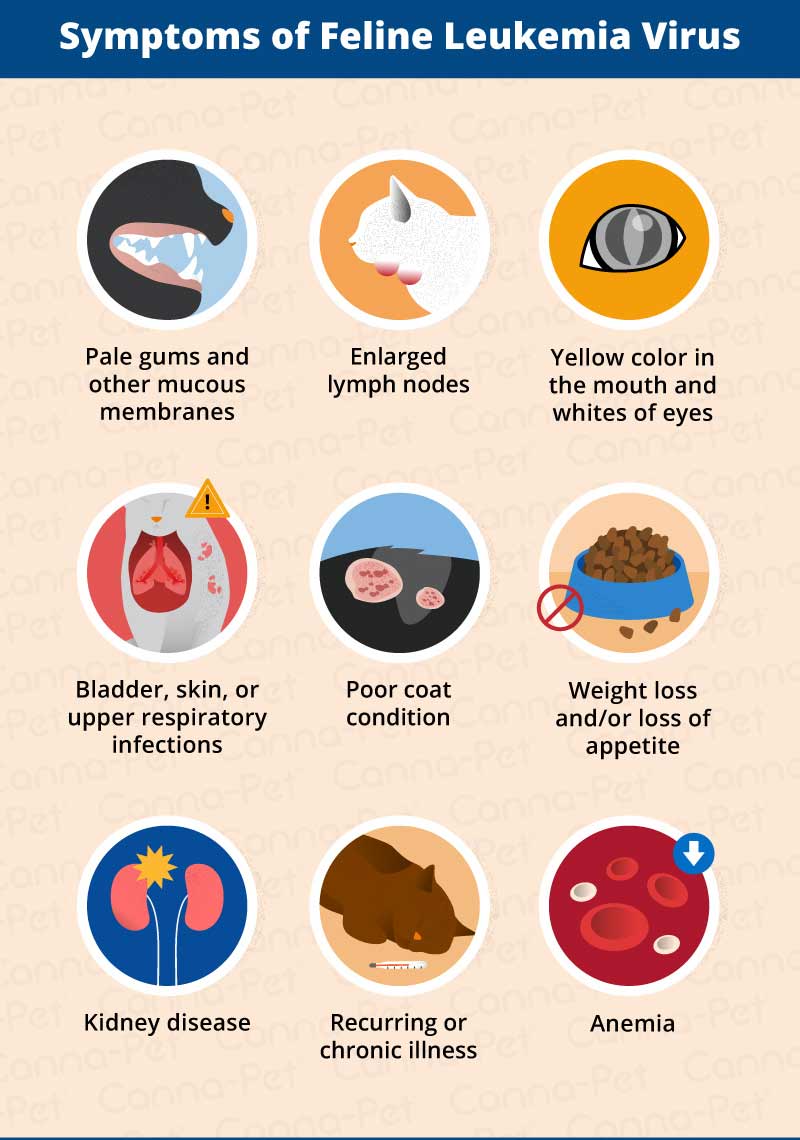
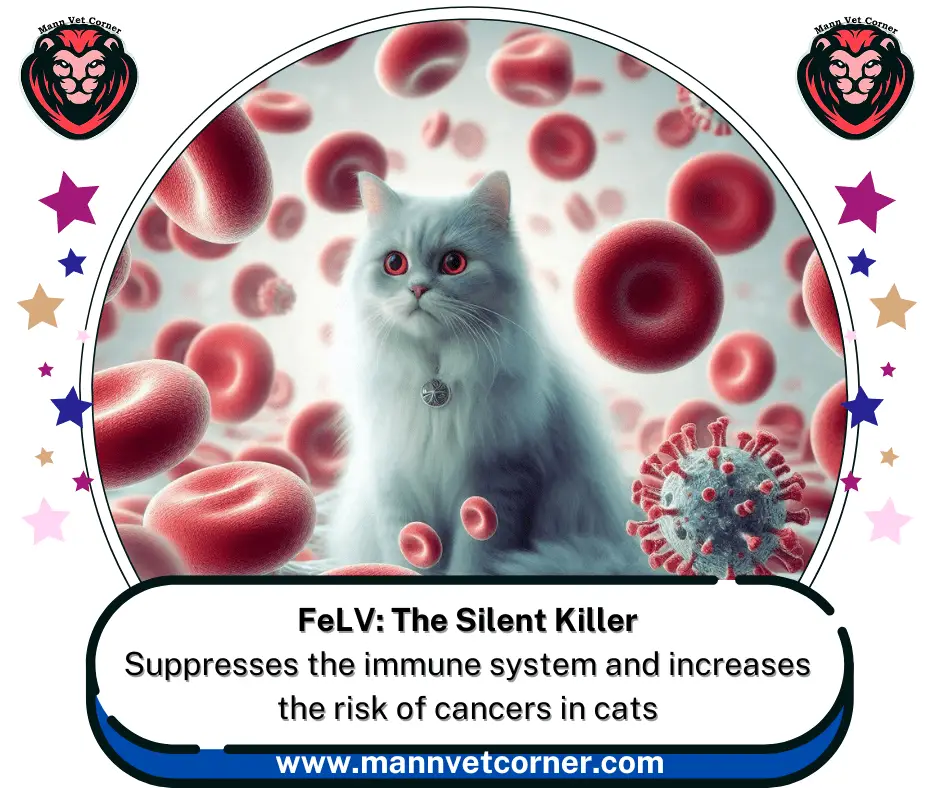
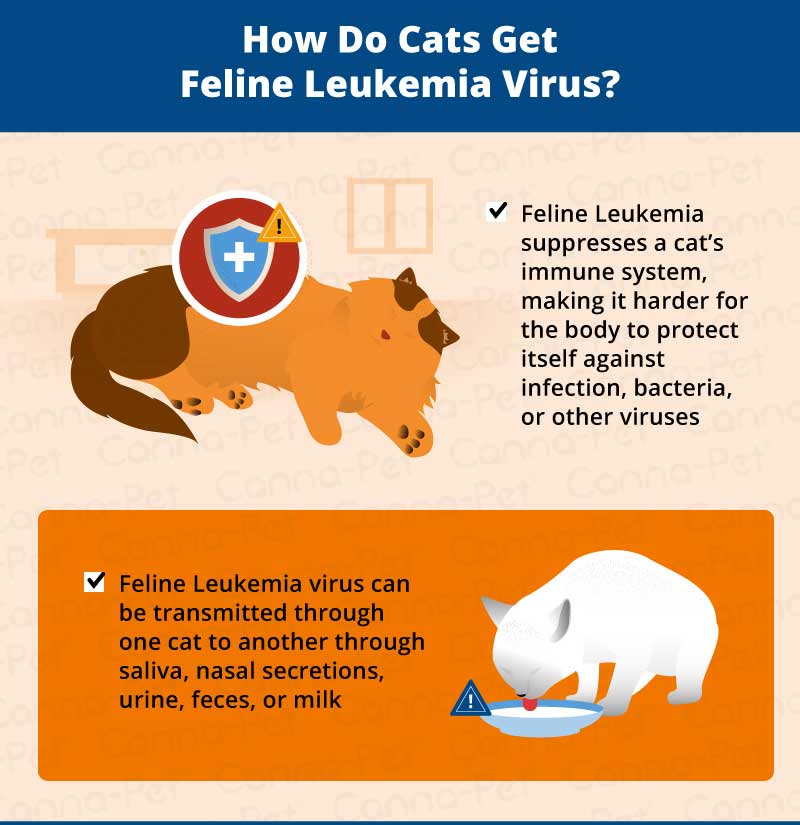
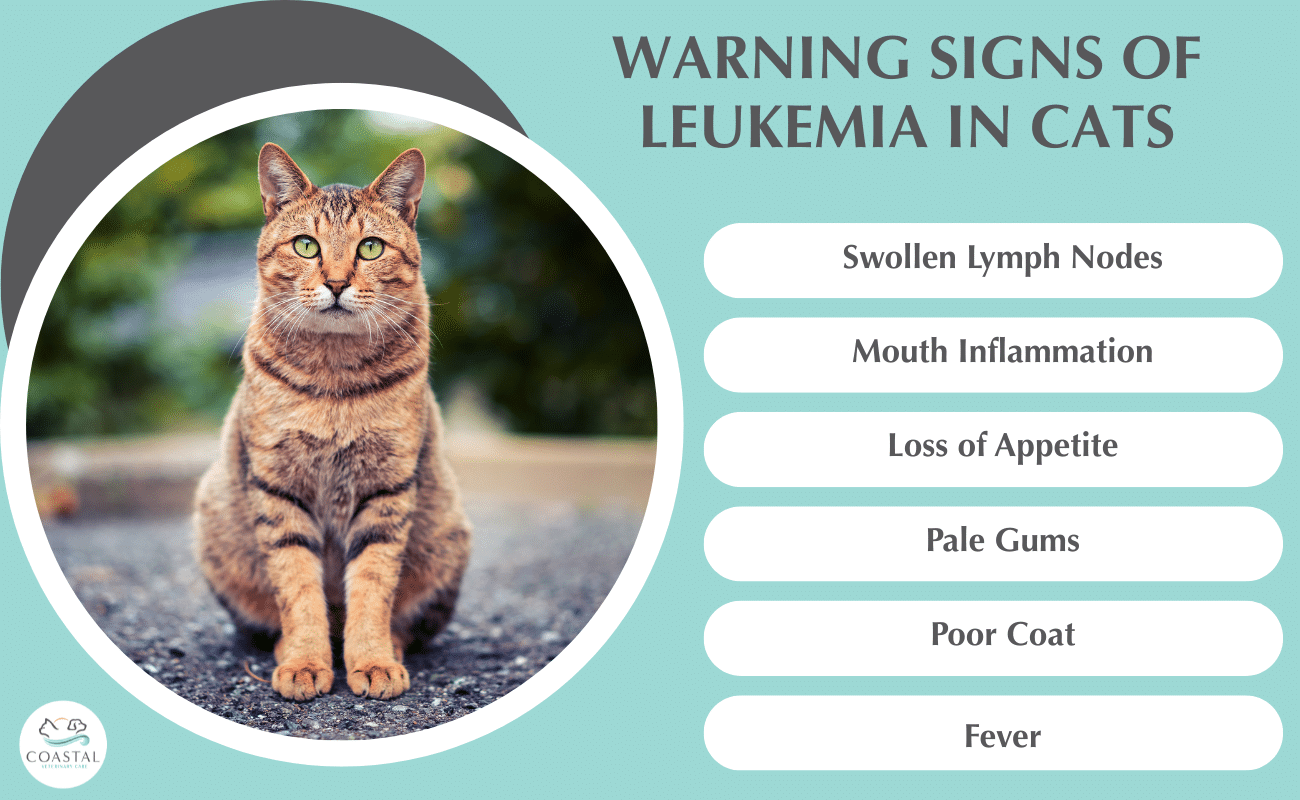
Identify feline leukemia symptoms early to protect your cat's health. Recognize signs like fever, weight loss, and infections for timely care.
Lymphoma in cats
Although lymphoma in cats is most commonly found in the intestines, it can develop almost anywhere in the body, including the chest, kidneys, lymph nodes, spine, skin, and nose. Lymphoma is most common in older cats (seven to eight years and above), but can sometimes develop in young cats , especially if they have FeLV or FIV.