Gastroesophageal Reflux Disease (GERD) in Non
What is GERD? Gastroesophageal reflux disease (GERD) is a chronic condition in which stomach acid flows from the stomach to the esophagus (the tube that carries food from the mouth to the stomach ). Normally, a valve called the lower esophageal sphincter prevents this reverse flow of stomach acid . In dogs with GERD, however, stomach acid passes through this sphincter and enters the esophagus ...
Learn what causes stomach acid in dogs , signs of acid reflux, and effective solutions including diet changes, vet treatments, and real-world tips.

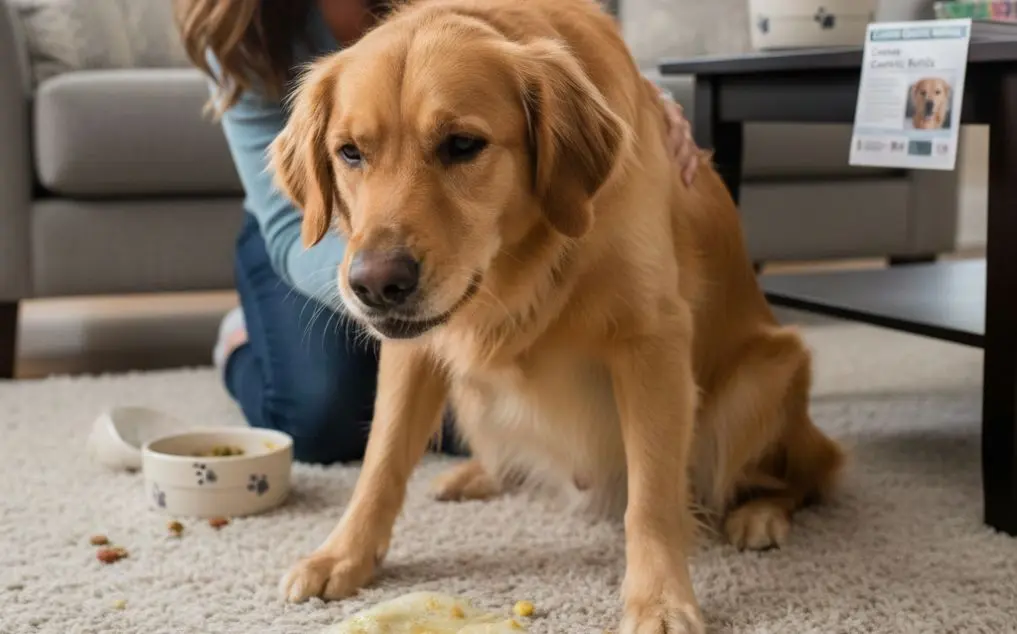
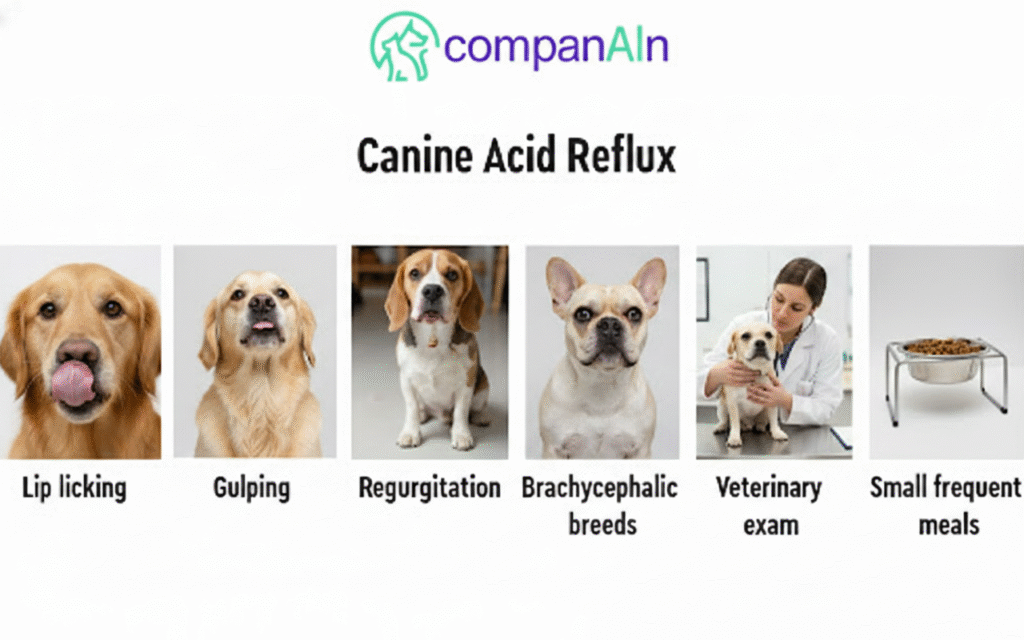
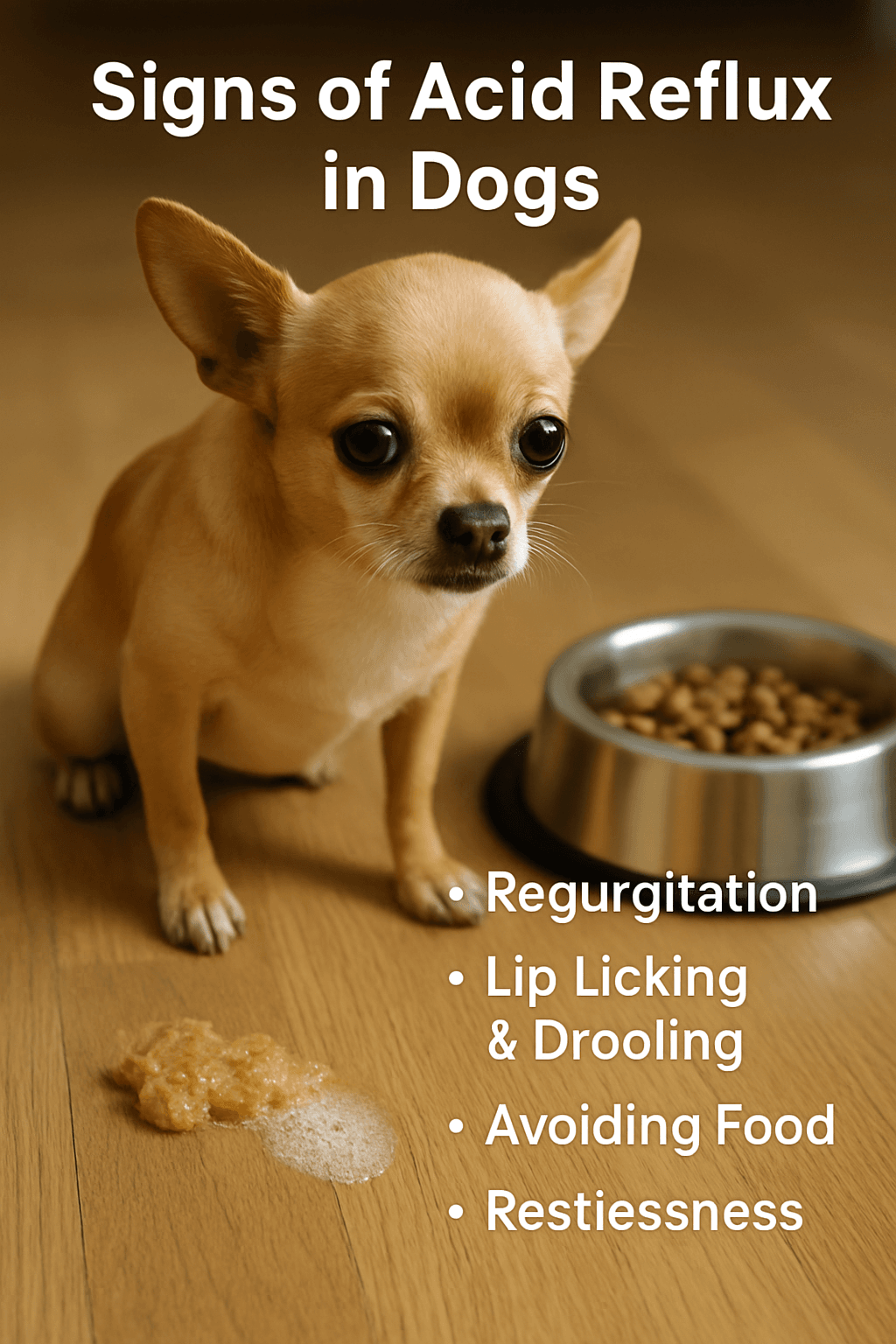
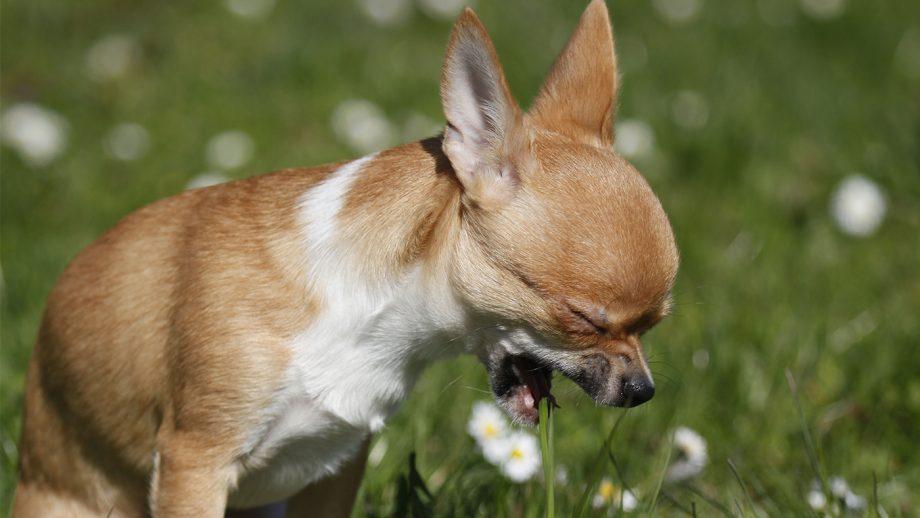
A typical sign of acid reflux in dogs is vomiting bile or regurgitating undigested food shortly after eating. Bile, a yellow substance, is normally in an empty stomach and travels to the intestines. However, in dogs with acid reflux, bile can ascend into the esophagus and out through the mouth.
What Is Acid Reflux in Dogs — How It Happens Gastroesophageal reflux disease (GERD) in dogs occurs when stomach acid , bile, and digestive enzymes flow backward from the stomach into the esophagus — the tube connecting the mouth to the stomach . Normally, a muscle ring called the lower esophageal sphincter (LES) keeps this junction tightly ...
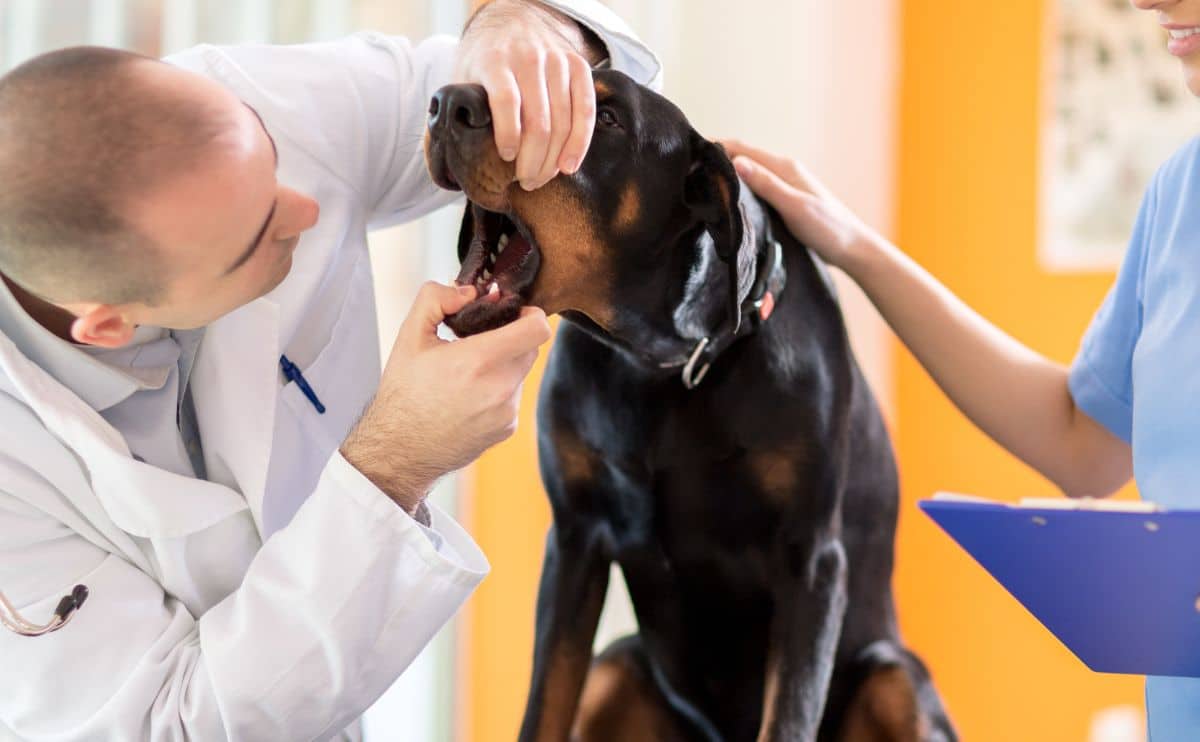
As we can see from the illustration, Dogs Constitute Stomach Acid Dysfunction has many fascinating aspects to explore.
Acid Reflux in Dogs
Acid reflux in dogs (i.e. gastroesophageal reflux) occurs when stomach acid moves into the esophagus and causes pain and irritation. This may occur for a short period of time or due to an inciting event. But in other situations, it may occur long-term. In that case, you may see it referred to as gastroesophageal reflux disease (GERD).