Overview of Gastrointestinal Motility And Diarrhea Relationship
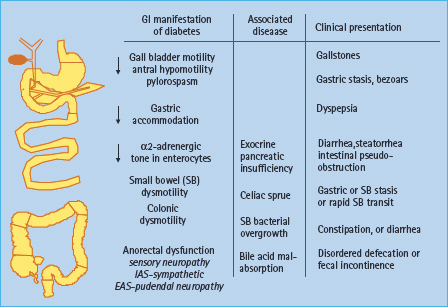
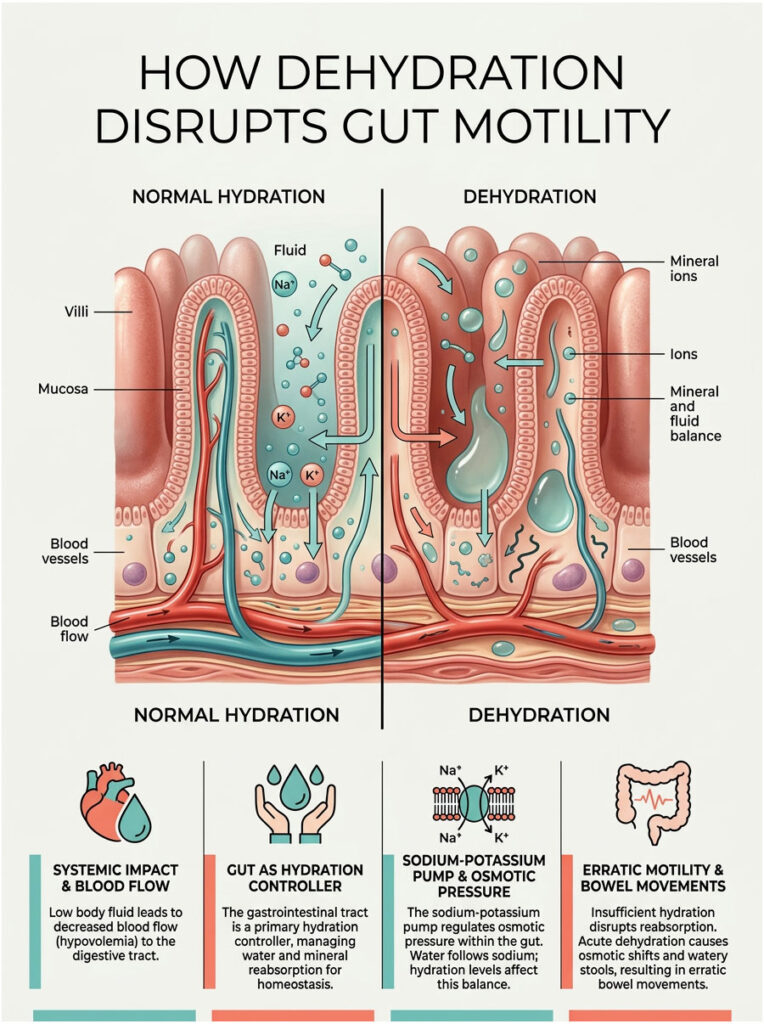
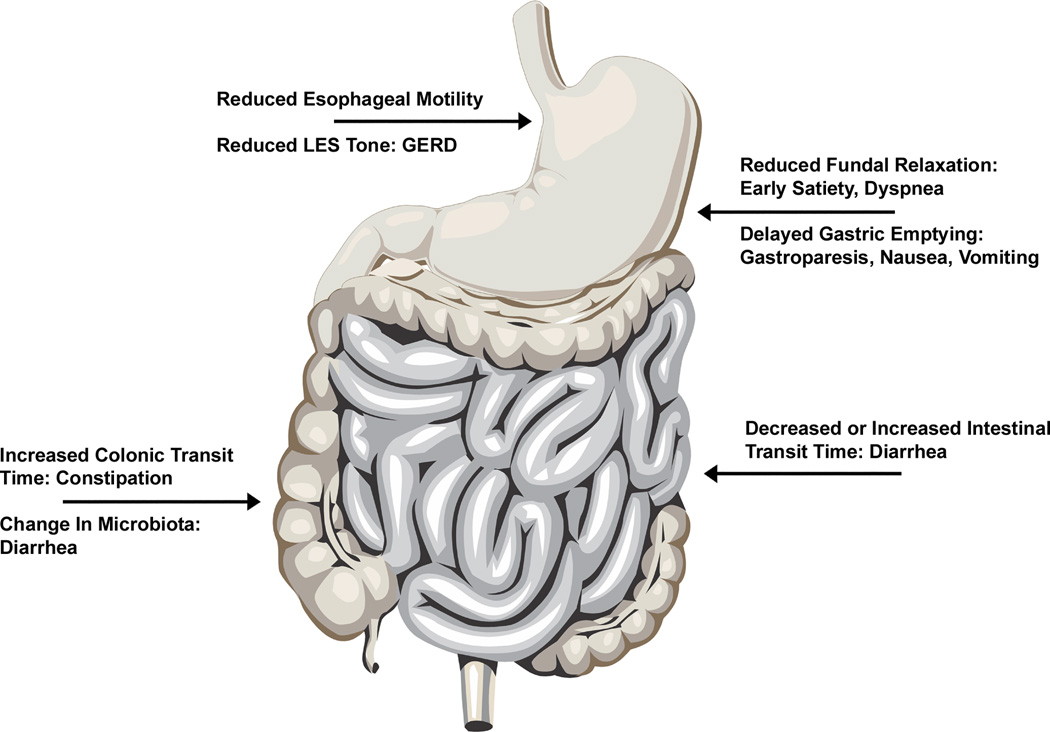
Some of the most frequent clinical syndromes encountered in gastroenterology pertain to real or perceived aberrations of gastrointestinal transit: dysphagia, reflux, bloating, constipation, and diarrhea .

Autoimmune gastrointestinal dysmotility (AGID) is a limited manifestation of autoimmune dysautonomia that occurs as an idiopathic phenomenon. Signs and symptoms include early satiety, nausea, vomiting, bloating, diarrhea , constipation, and involuntary weight loss.

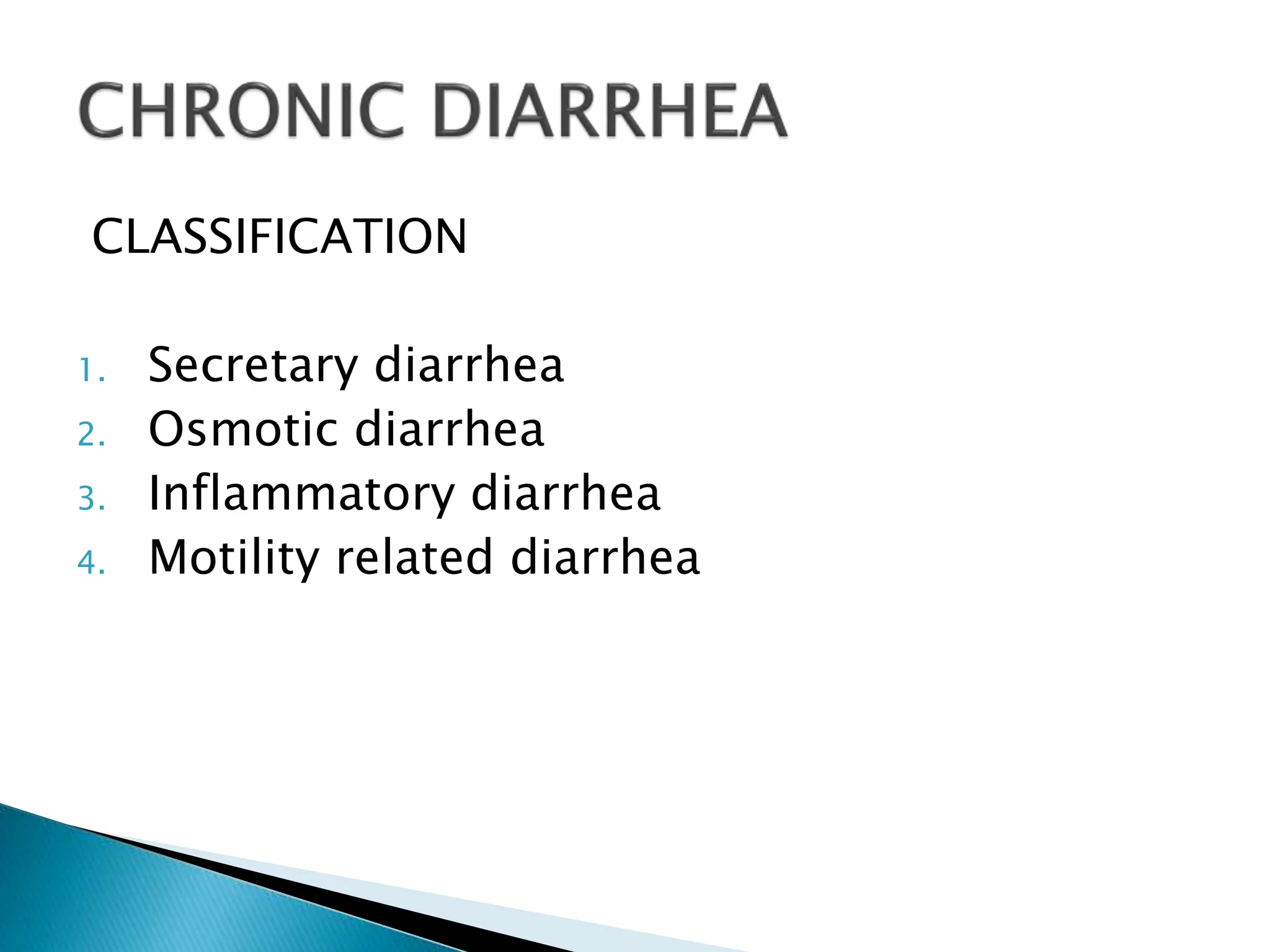
Chronic diarrhea

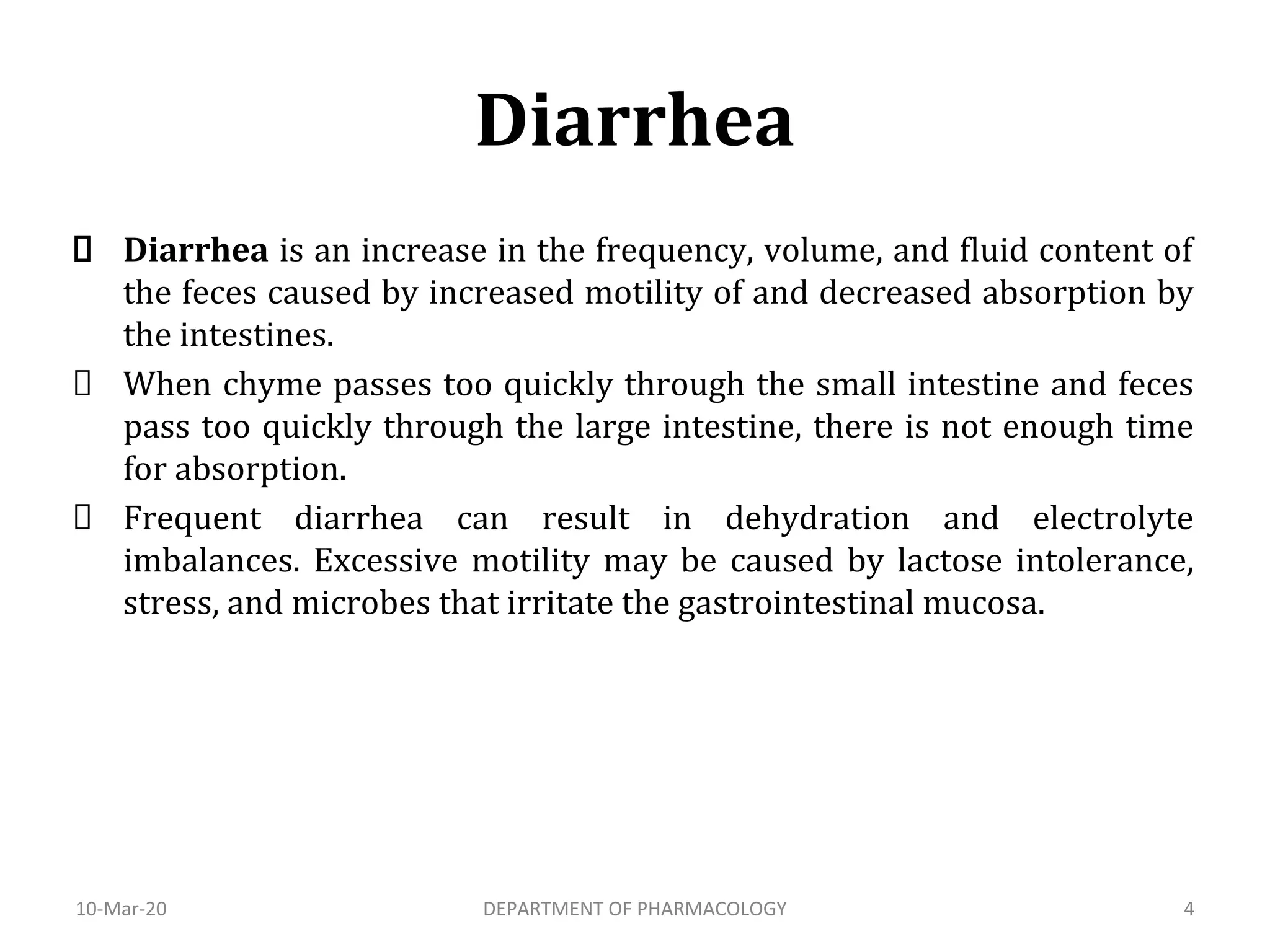
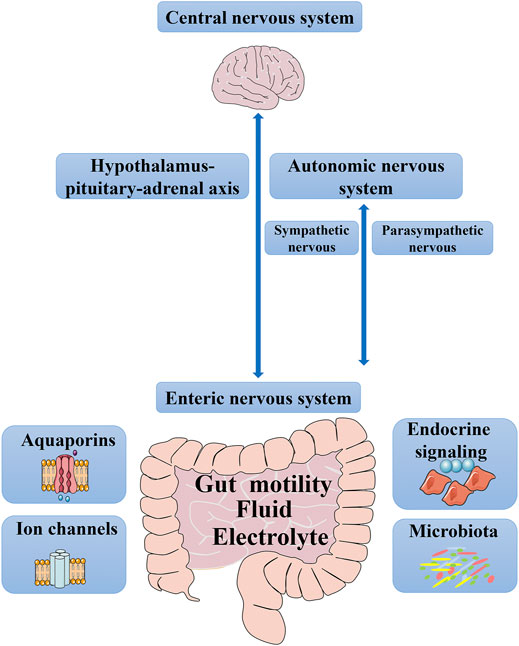
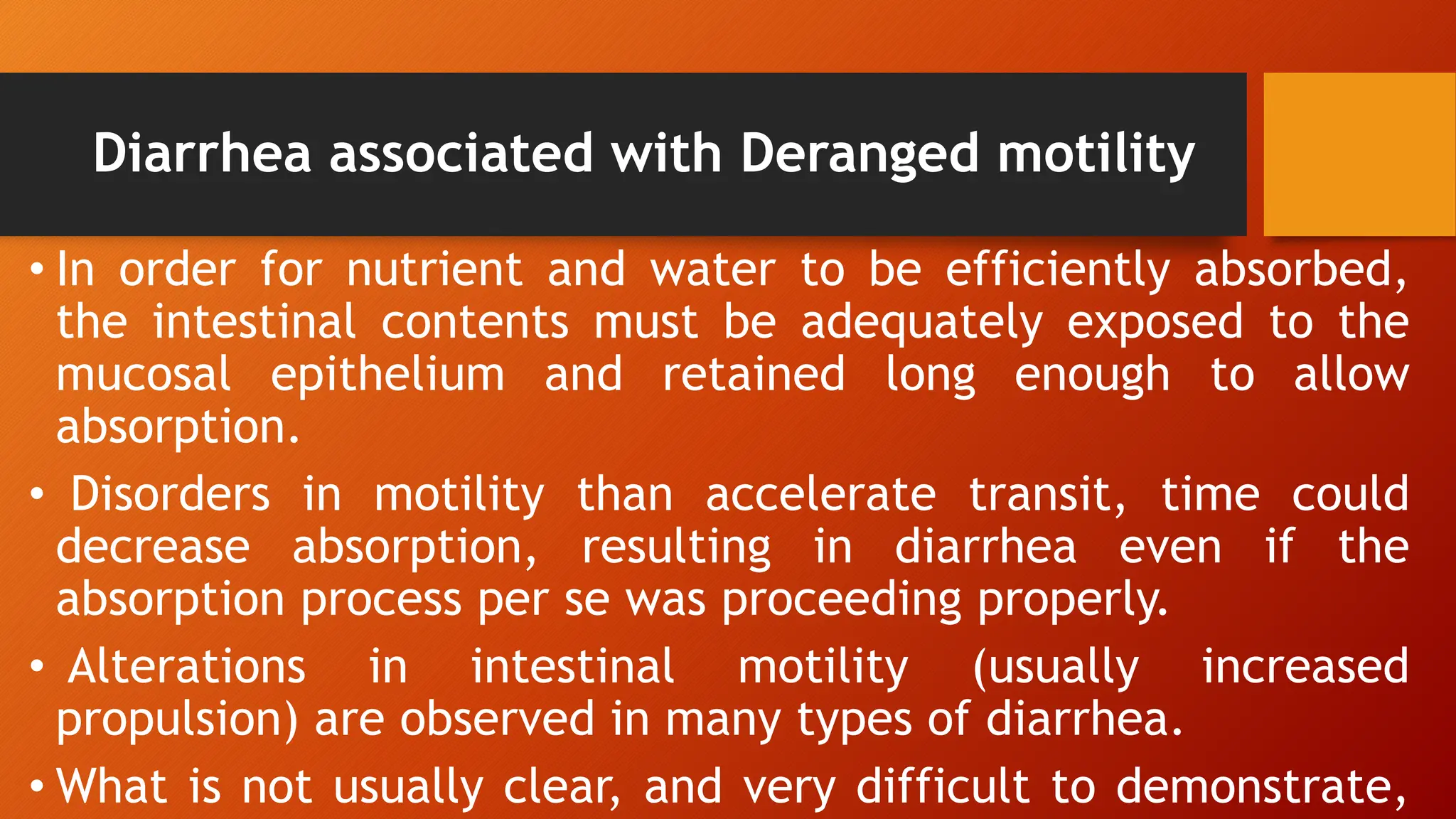
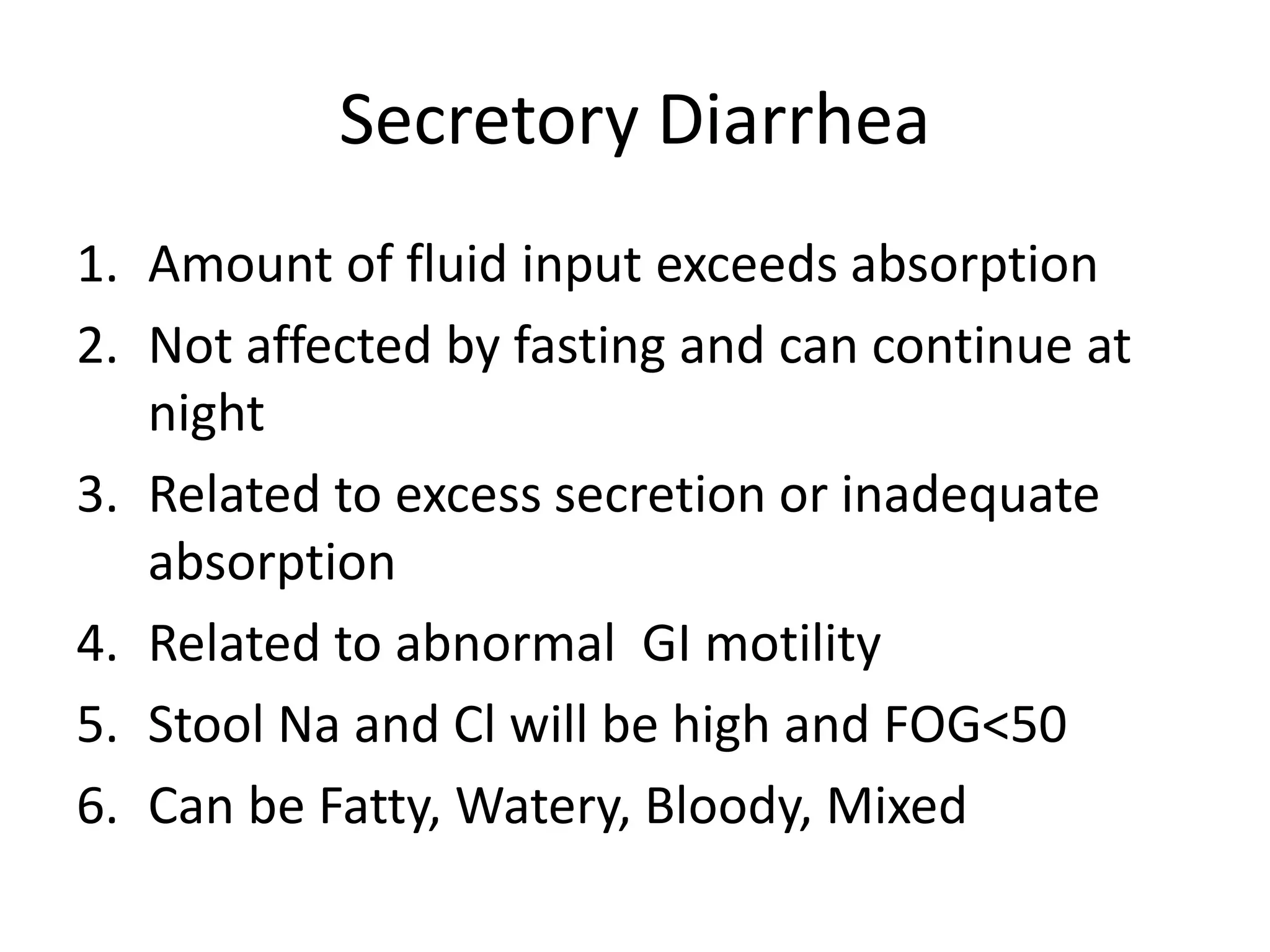
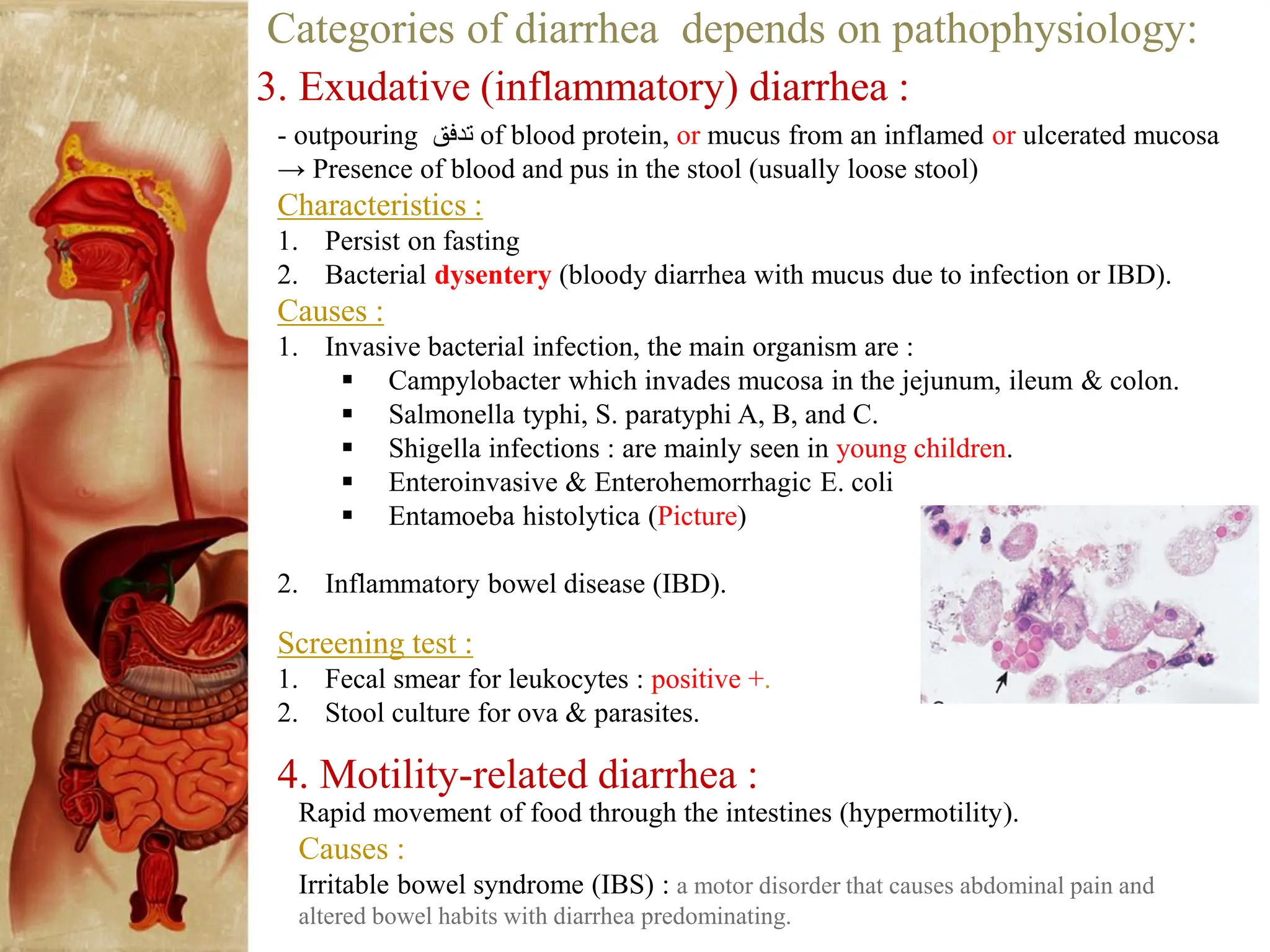
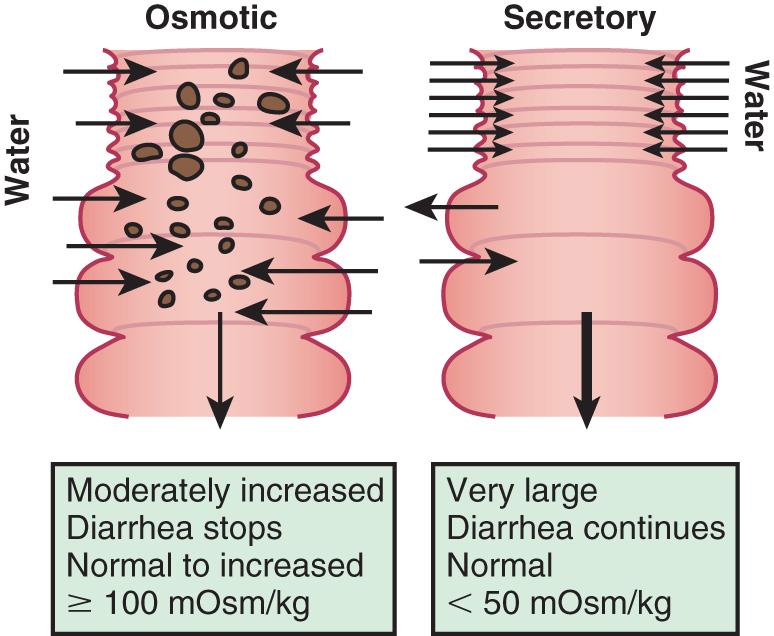
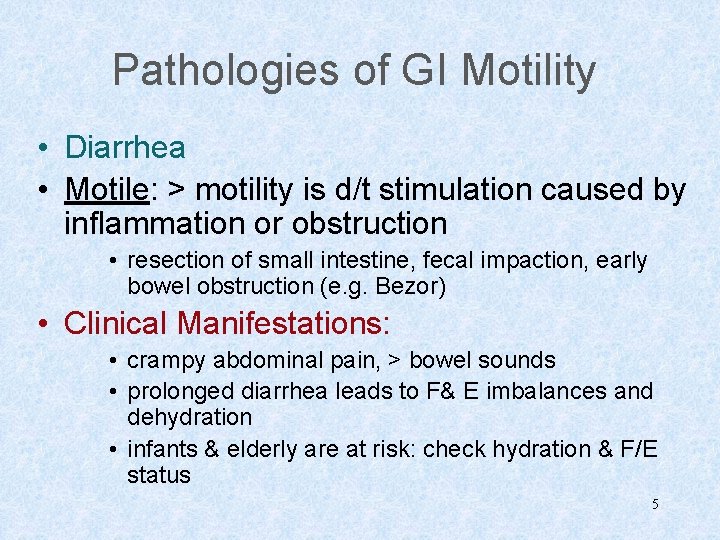
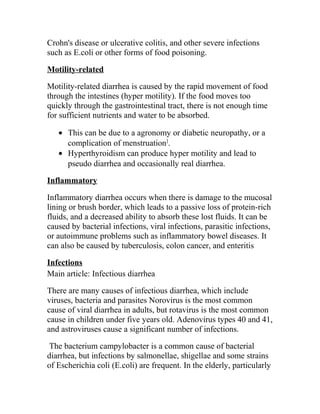
Most clinical disorders presenting as chronic diarrhea involve more than one physiological mechanism. The role of motility and functional disorders that result in chronic diarrhea will be emphasized, given the high prevalence of these conditions.
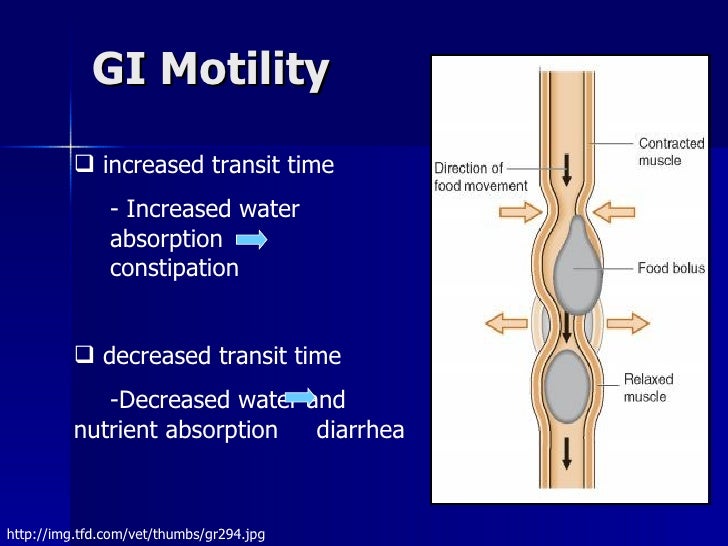
When you have IBS, your digestive motility moves either too quickly or too slowly, leading to diarrhea -predominant IBS (IBS-D), constipation-predominant IBS (IBS-C), or mixed-type IBS (IBD-M).
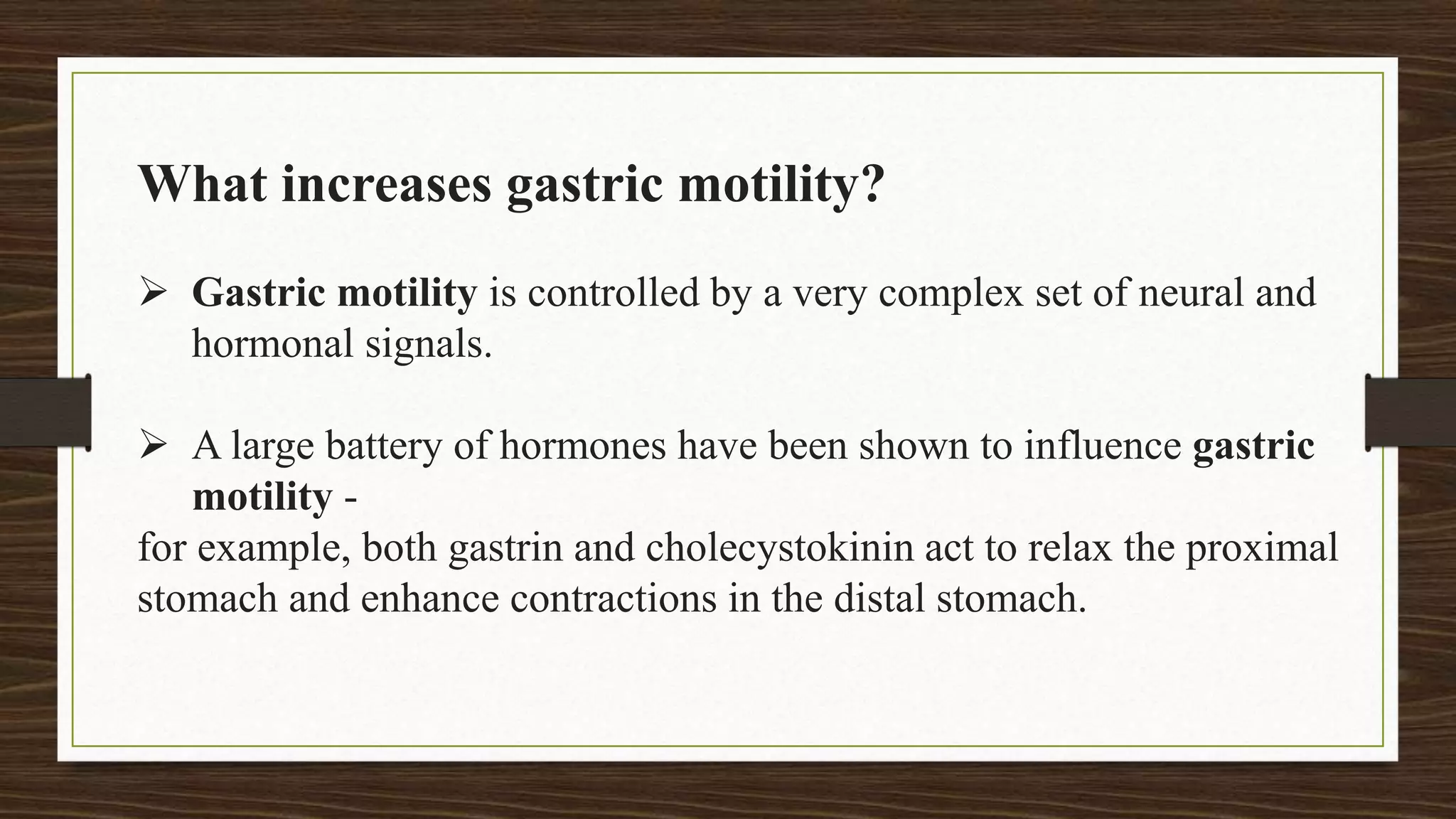
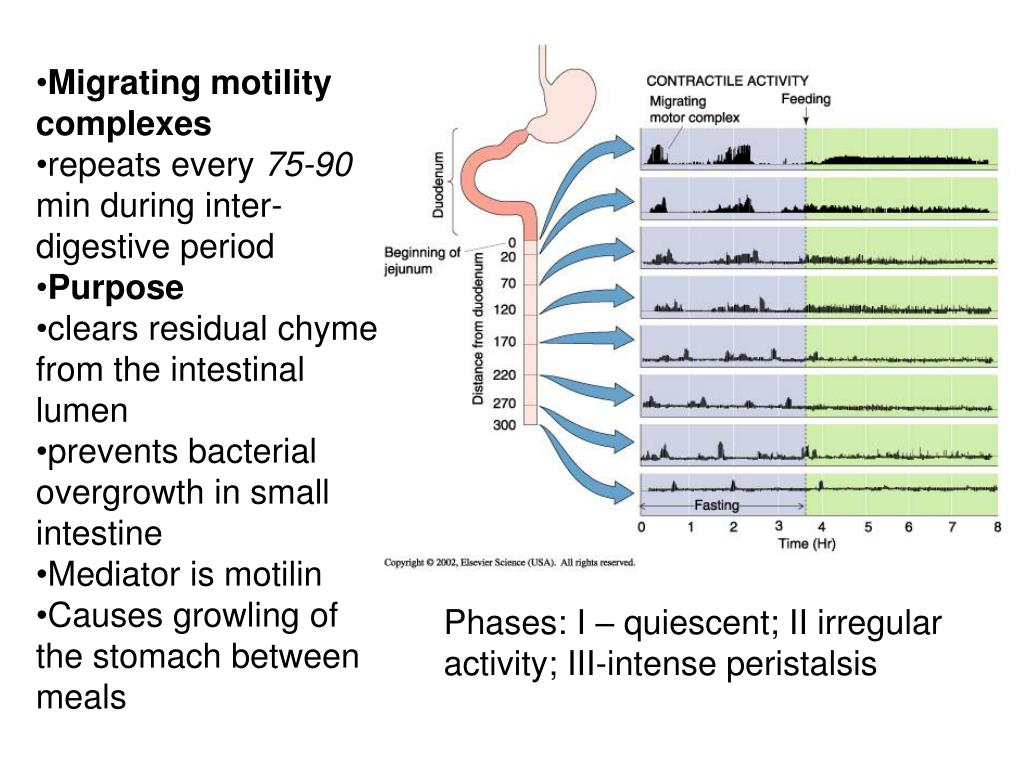
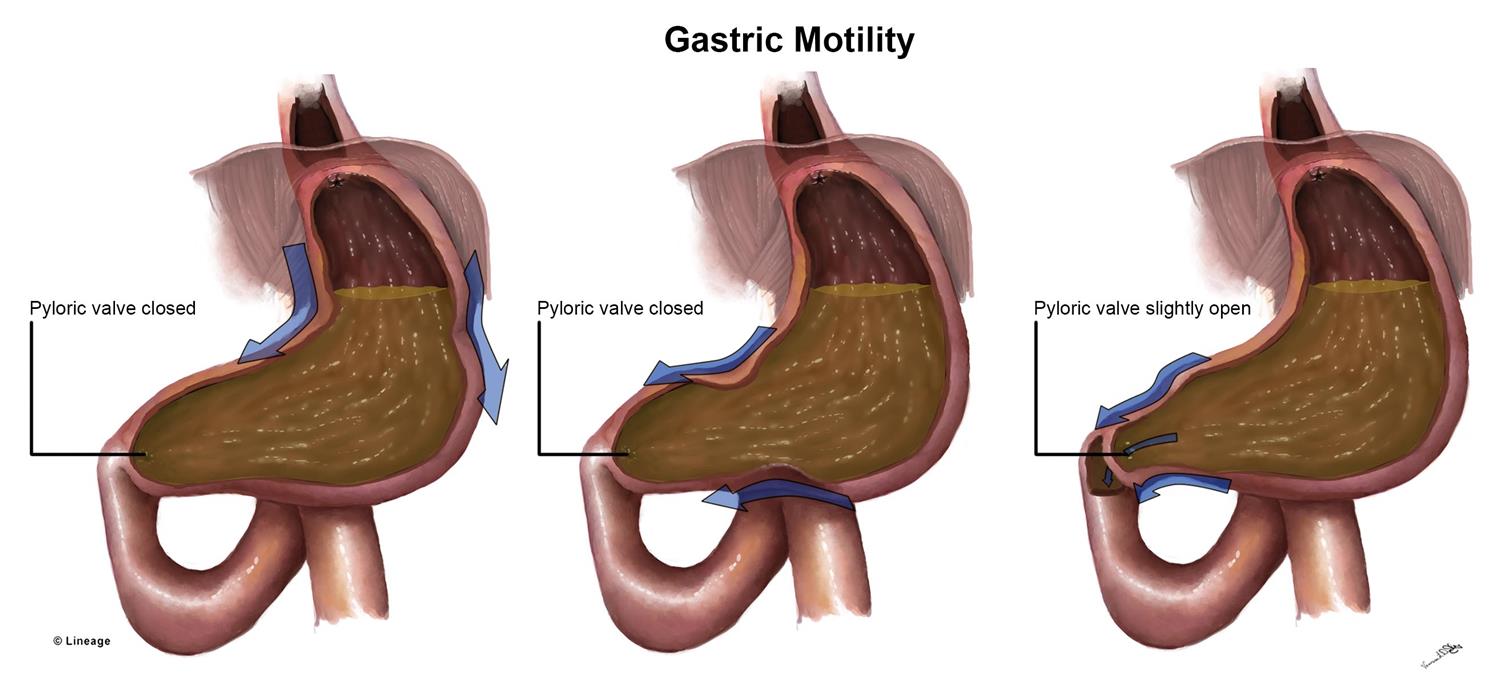
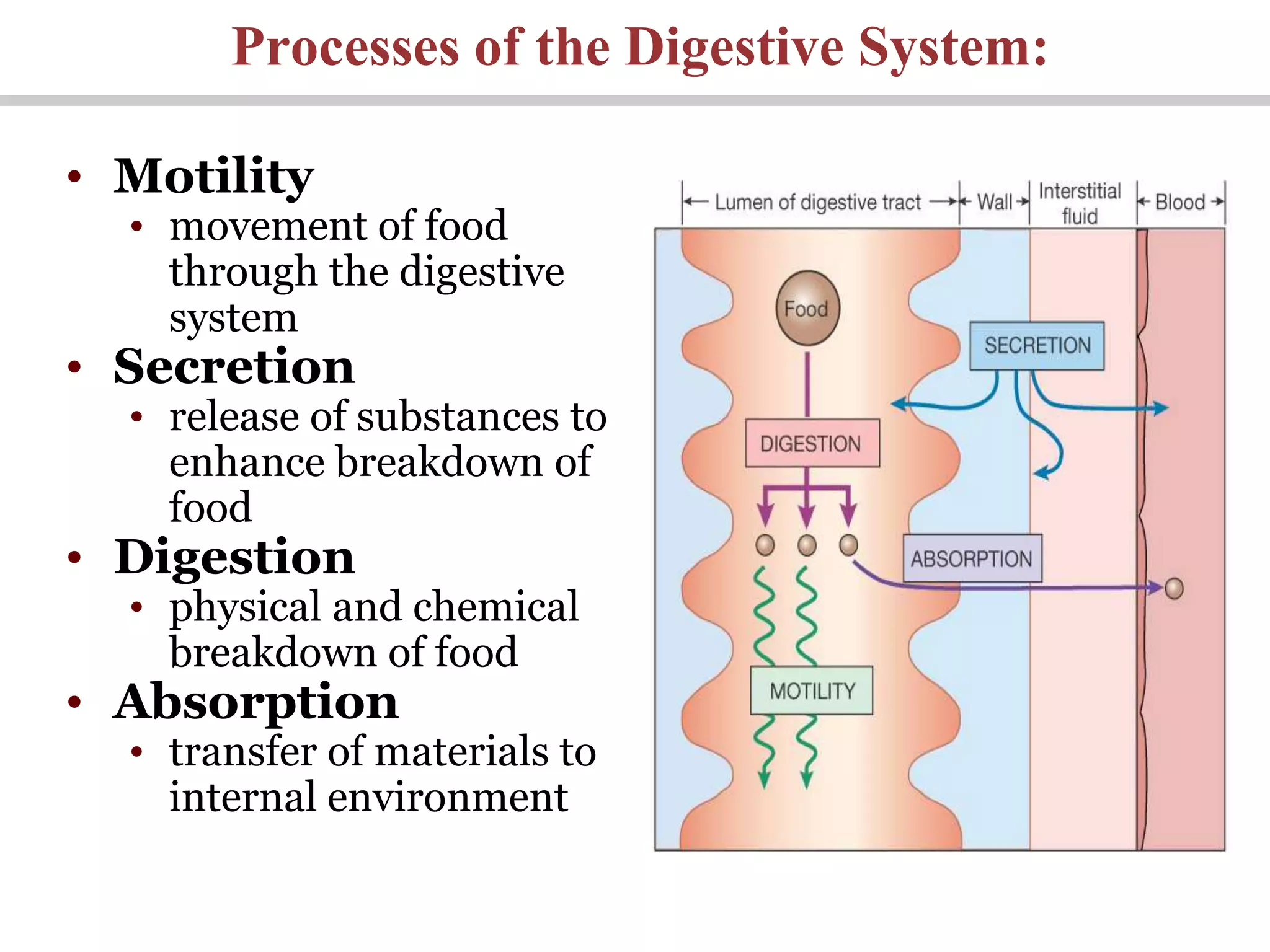
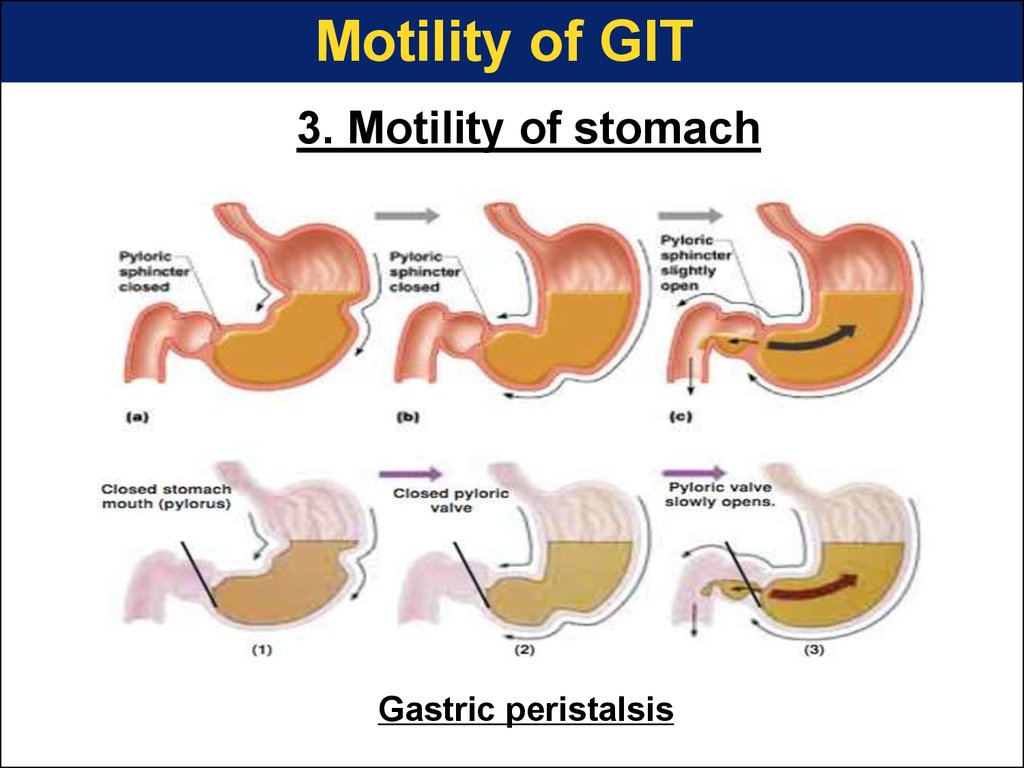
Dysmotility is a problem with your gastrointestinal motility — the muscle contractions in your GI tract that carry food through the digestive process. These muscles work automatically to keep food and fluids moving in the right direction at the right time.