The Hidden Details of Geriatric Cat Behavior Changes And Leukemia Pain Revealed
Palliative Management of Cancer Pain in a Geriatric Cat
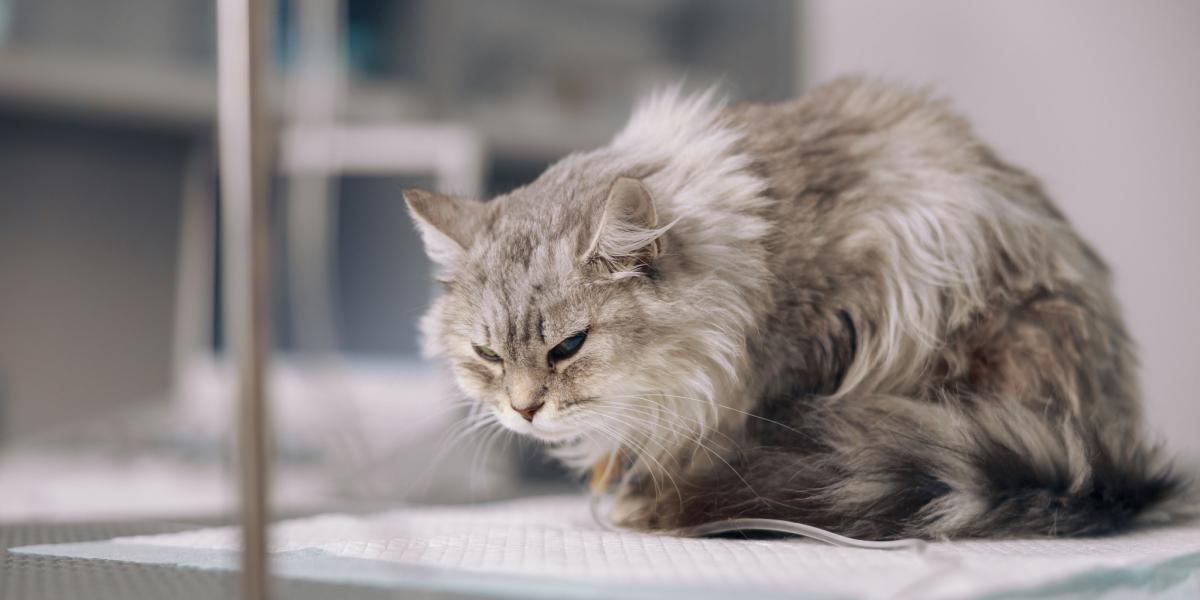
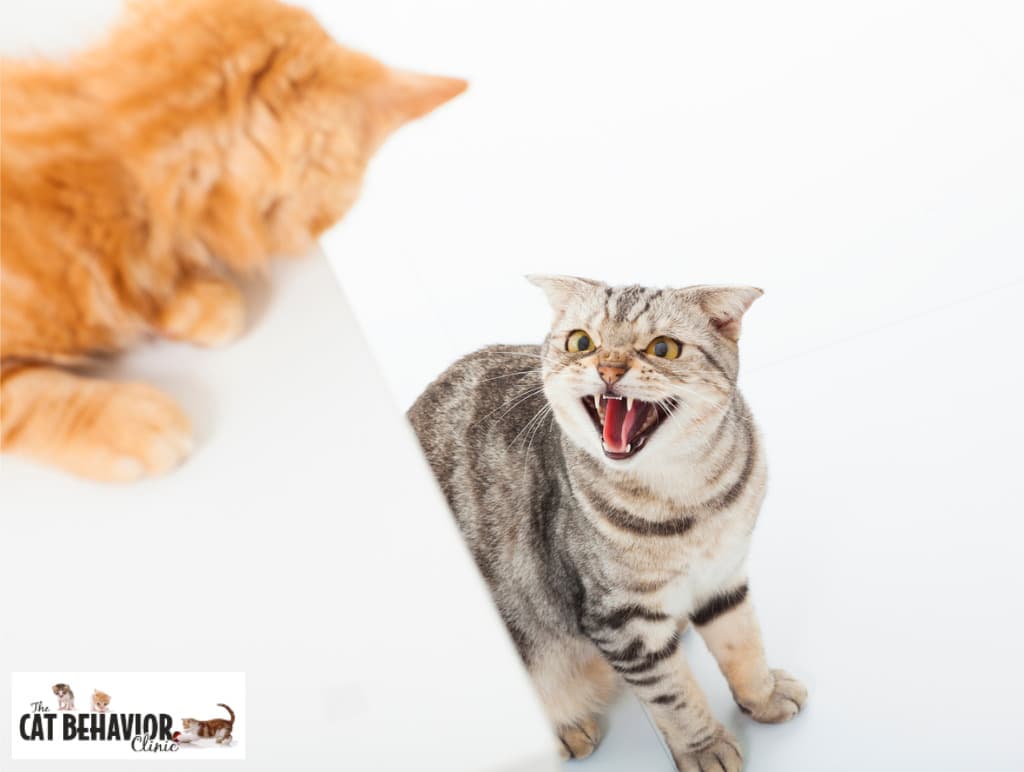
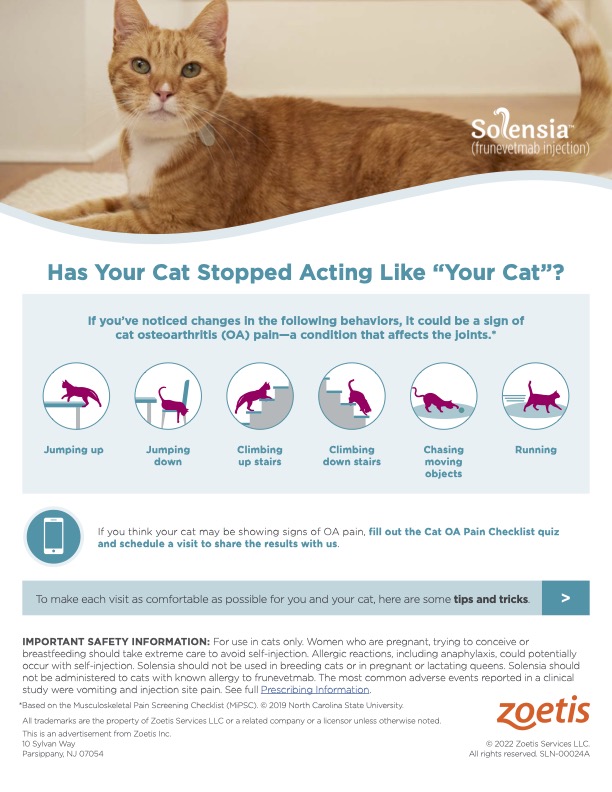
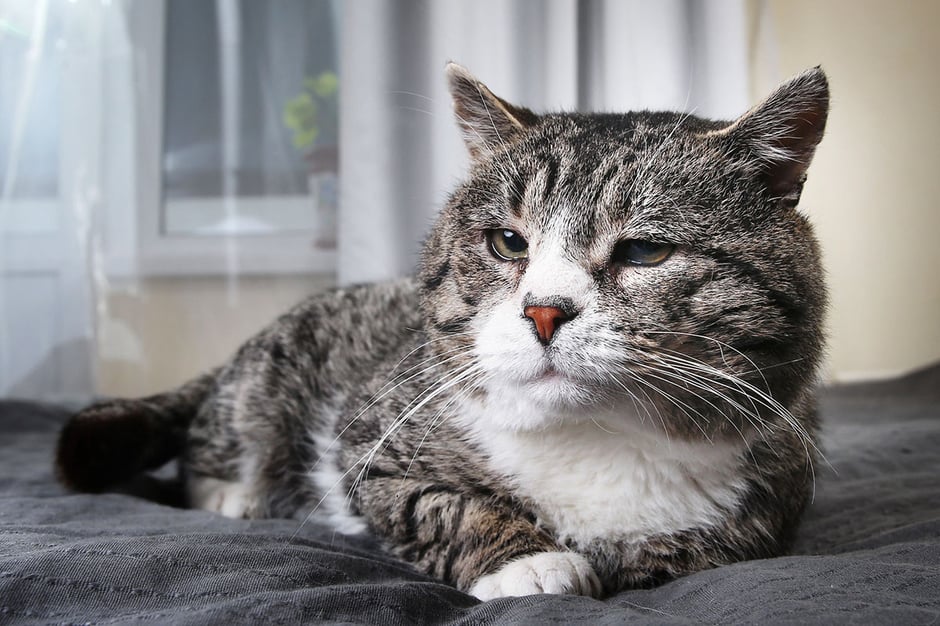
The owners also reported recent changes in behavior : Luna had become irritable and could no longer jump onto windowsills. On presentation, Luna was quiet and shy. Vital parameters were within normal limits (temperature, 100.8°F [38.2°C]; pulse, 160 bpm; respiratory rate, 36 breaths per min).
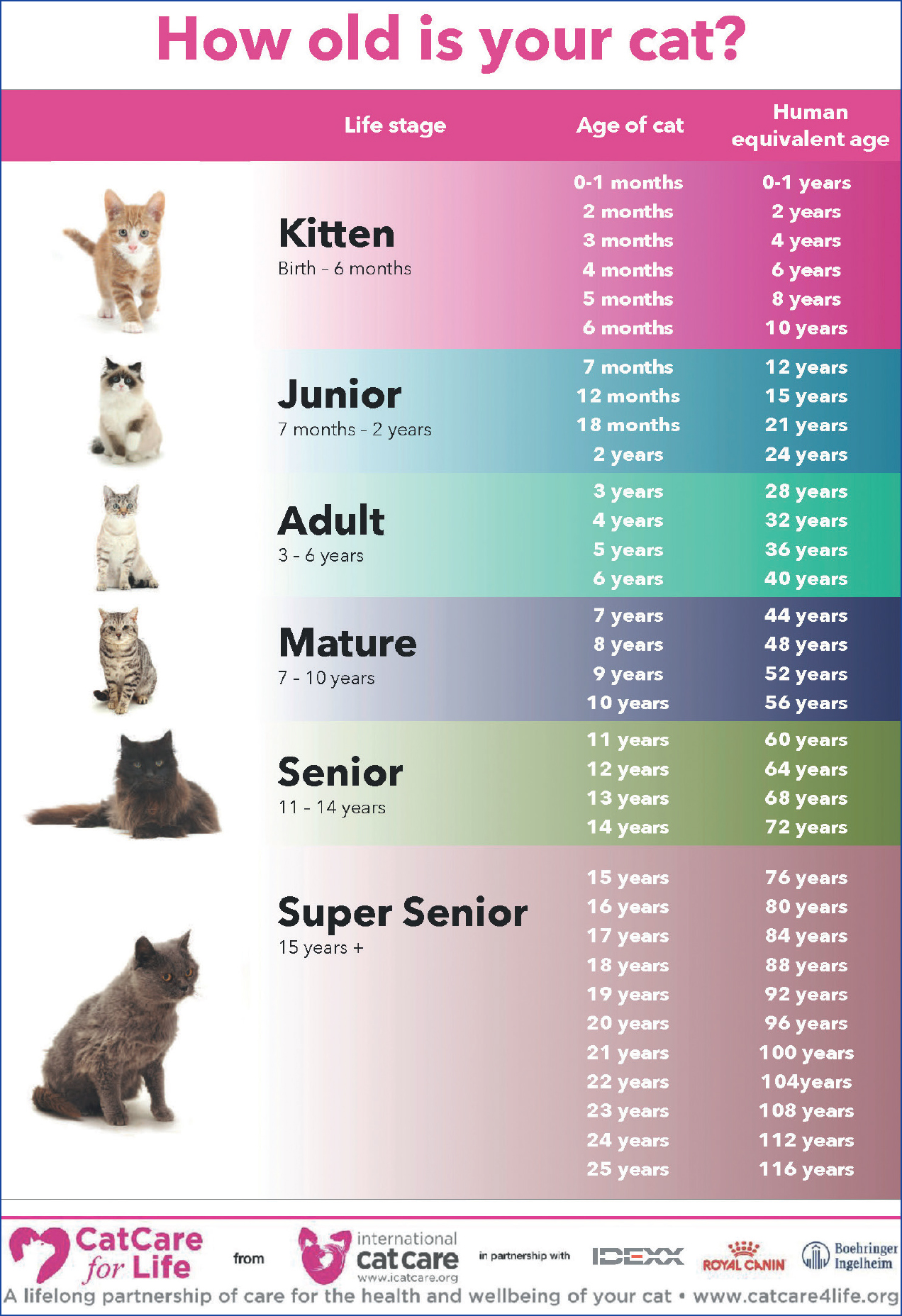
The Special Needs of the Senior Cat
Geriatric Cat Behavior Changes And Leukemia Pain
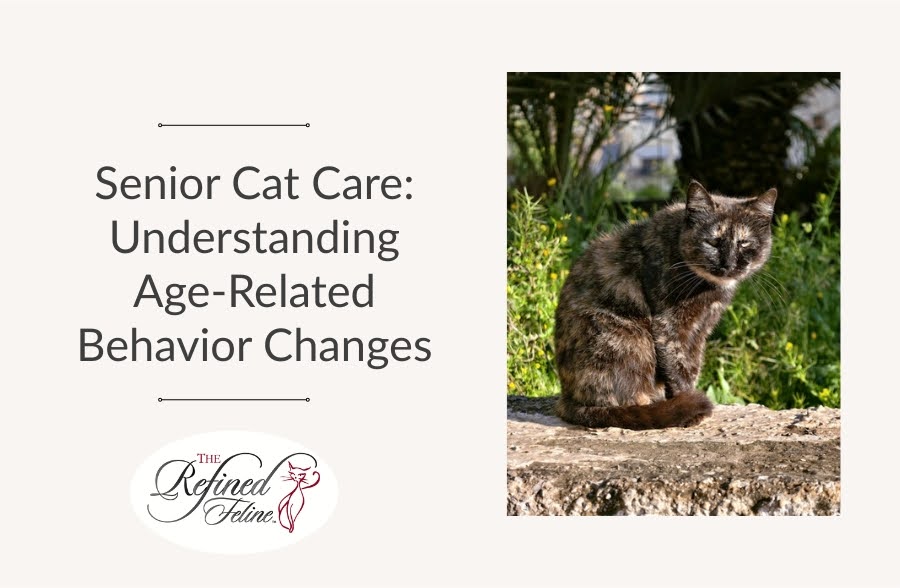
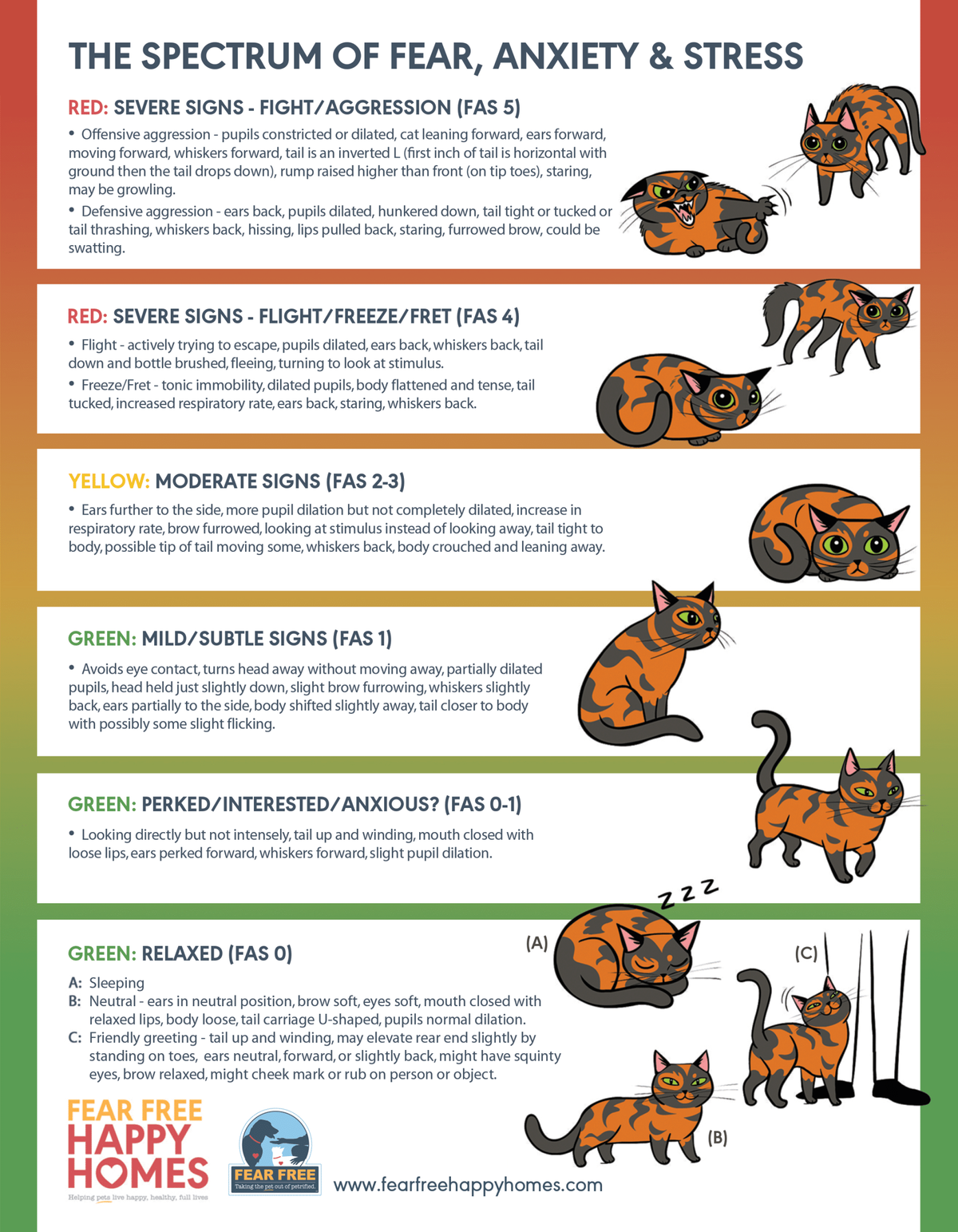
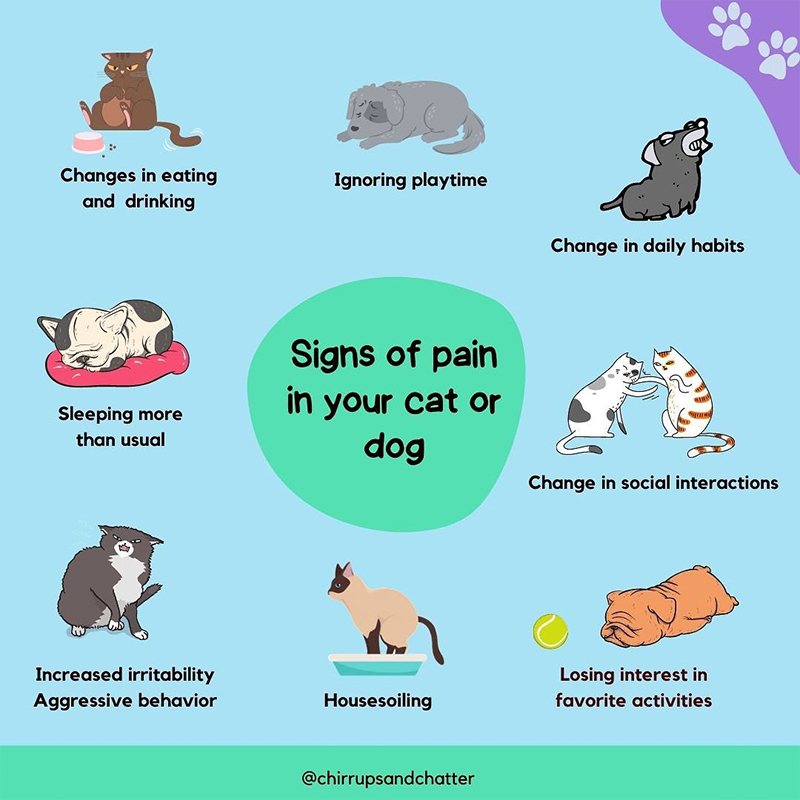
Owners of older cats often notice changes in their cat's behavior , but consider these changes an inevitable and untreatable result of aging. However, any alteration in your cat's behavior or physical condition should alert you to contact your veterinarian.
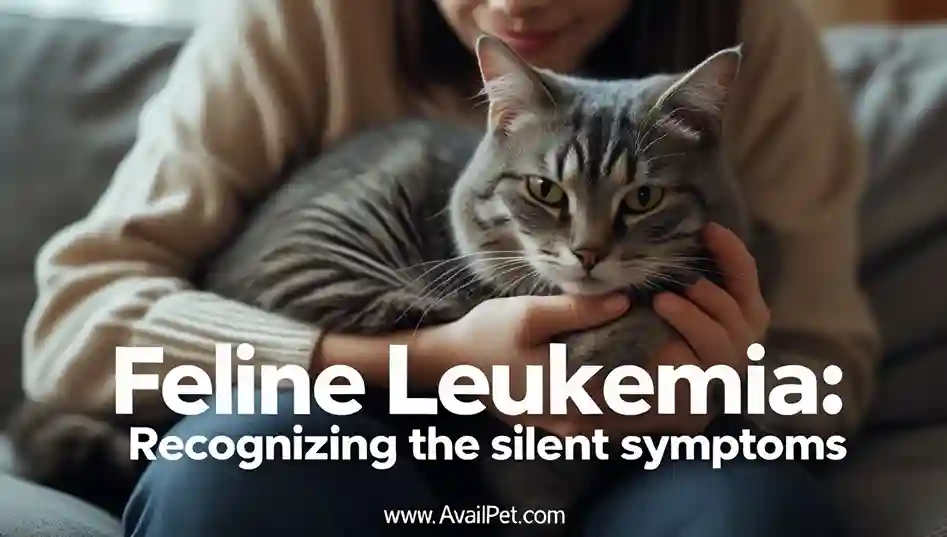
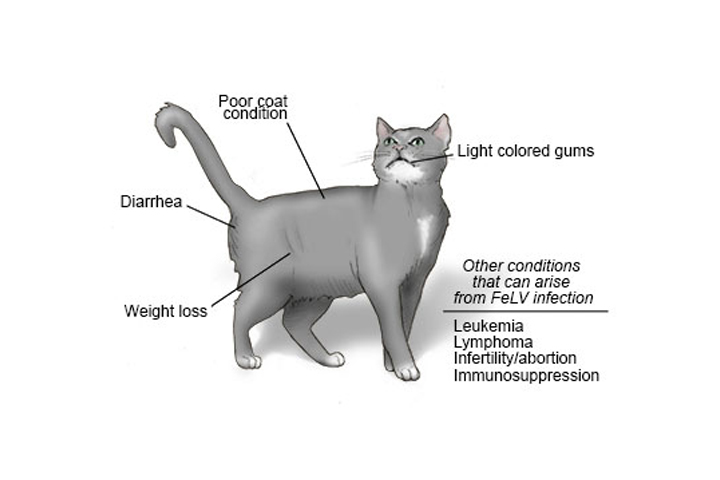
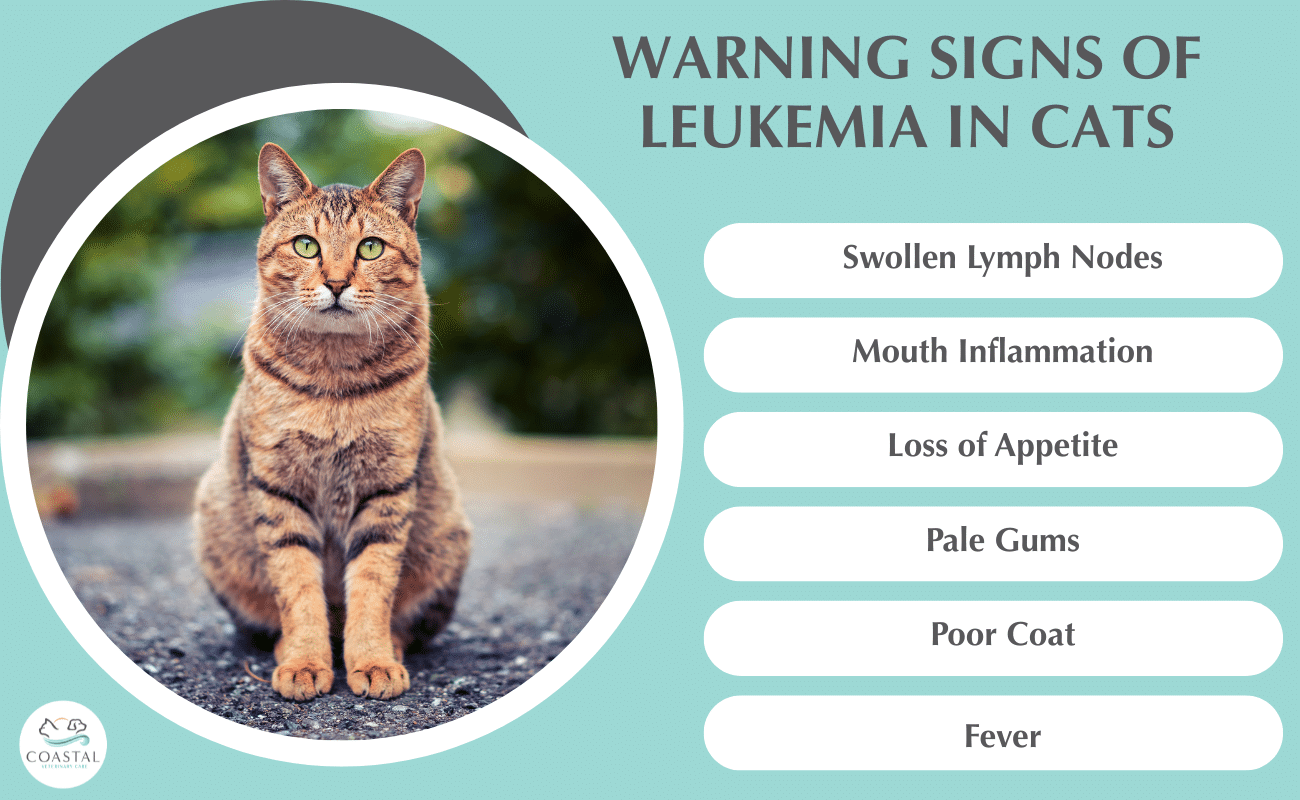
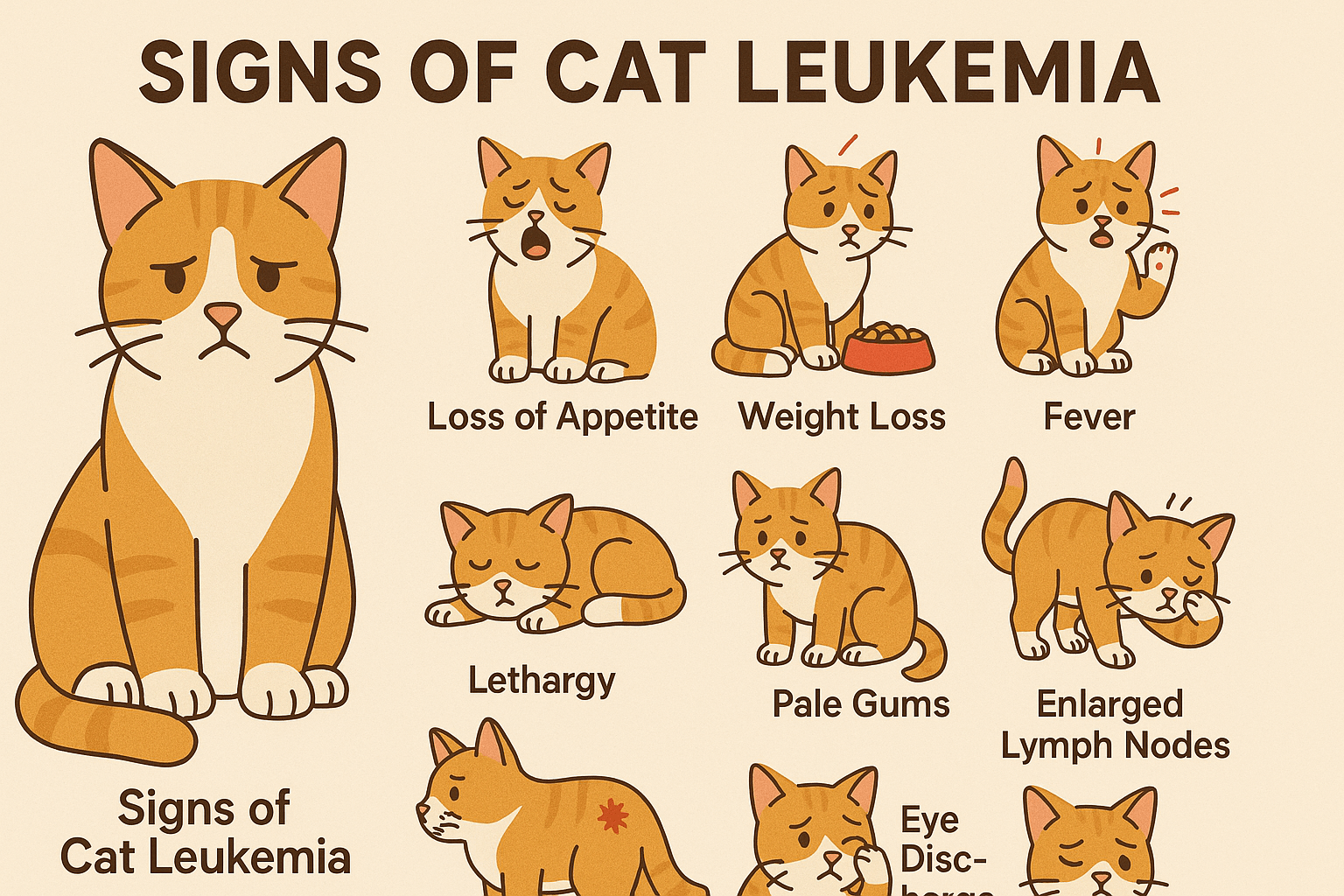
Noticing a subtle change in your cat's behavior or energy level can be the first sign that something is wrong. Feline Leukemia Virus (FeLV) is a serious disease that often begins with vague, easy-to-miss symptoms before progressing to more severe health complications.
Geriatric Cat Behavior Changes And Leukemia Pain
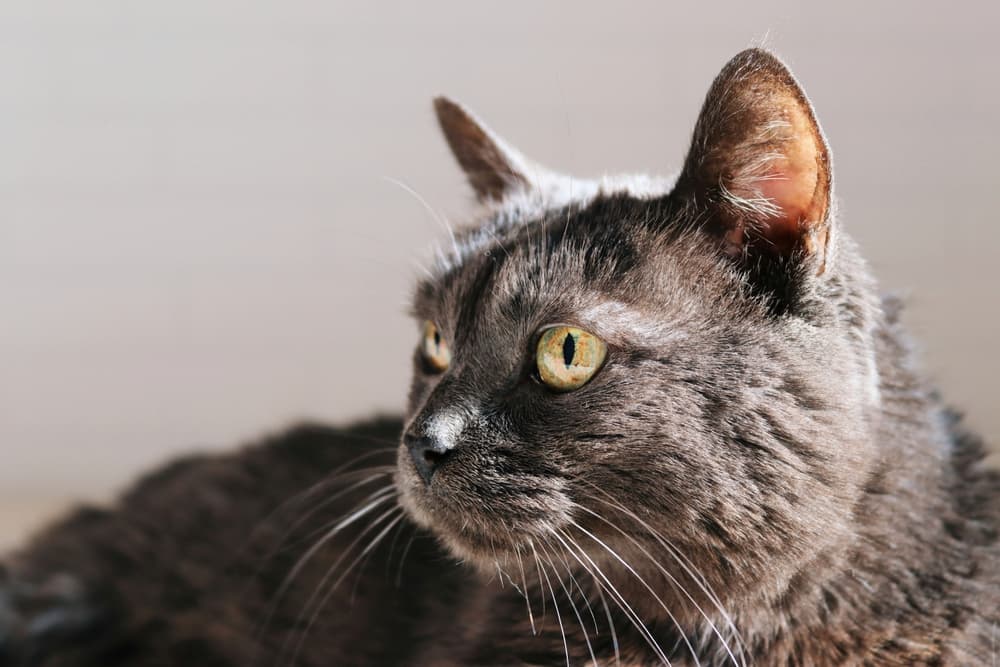
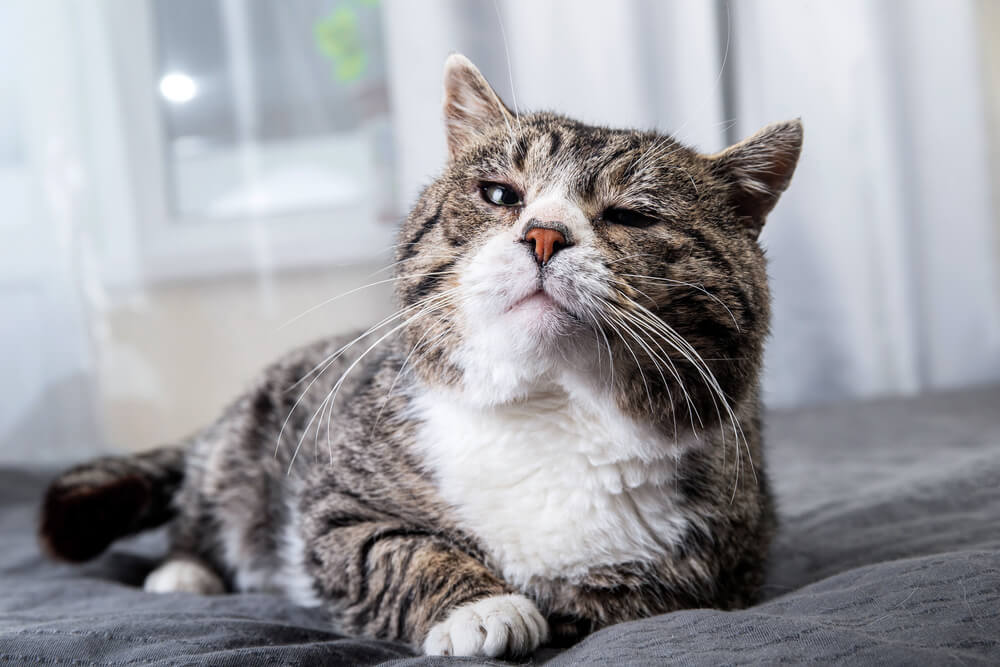
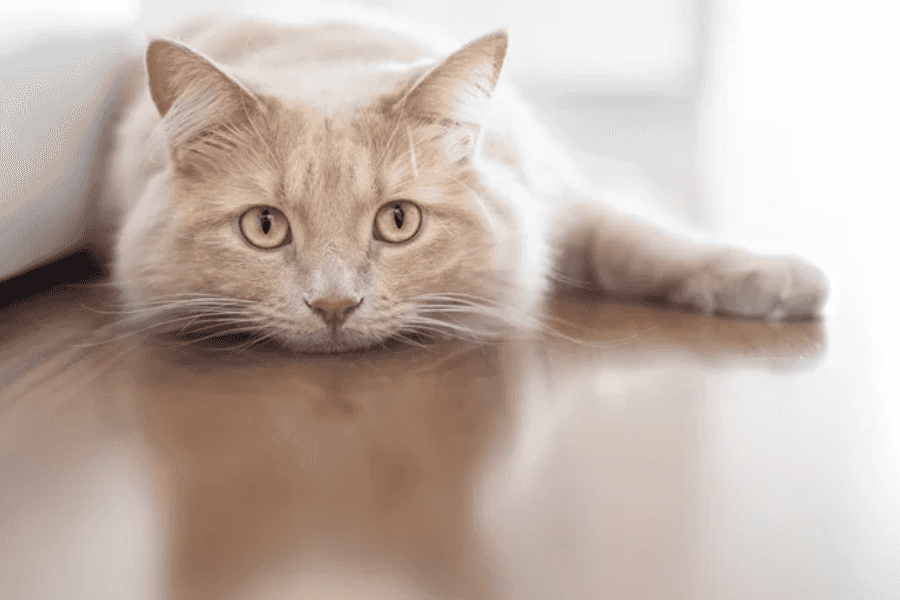
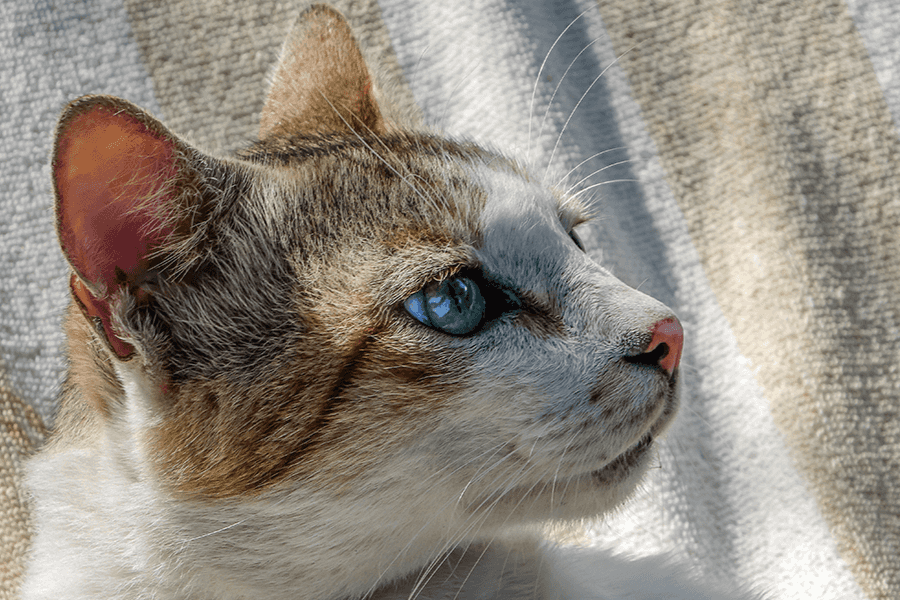
As we can see from the illustration, Geriatric Cat Behavior Changes And Leukemia Pain has many fascinating aspects to explore.
Are Cats With Feline Leukemia in Pain Understanding the Suffering and ...
While many cat owners are aware of the virus's existence, a crucial question often arises: Are cats with feline leukemia in pain ? This question delves into the heart of a cat's well-being and highlights the importance of understanding the disease's potential impact on their quality of life.
Cancer pain may become refractory to treatment as disease progresses, and pain management may no longer be achievable on an outpatient basis, requiring hospitalization.