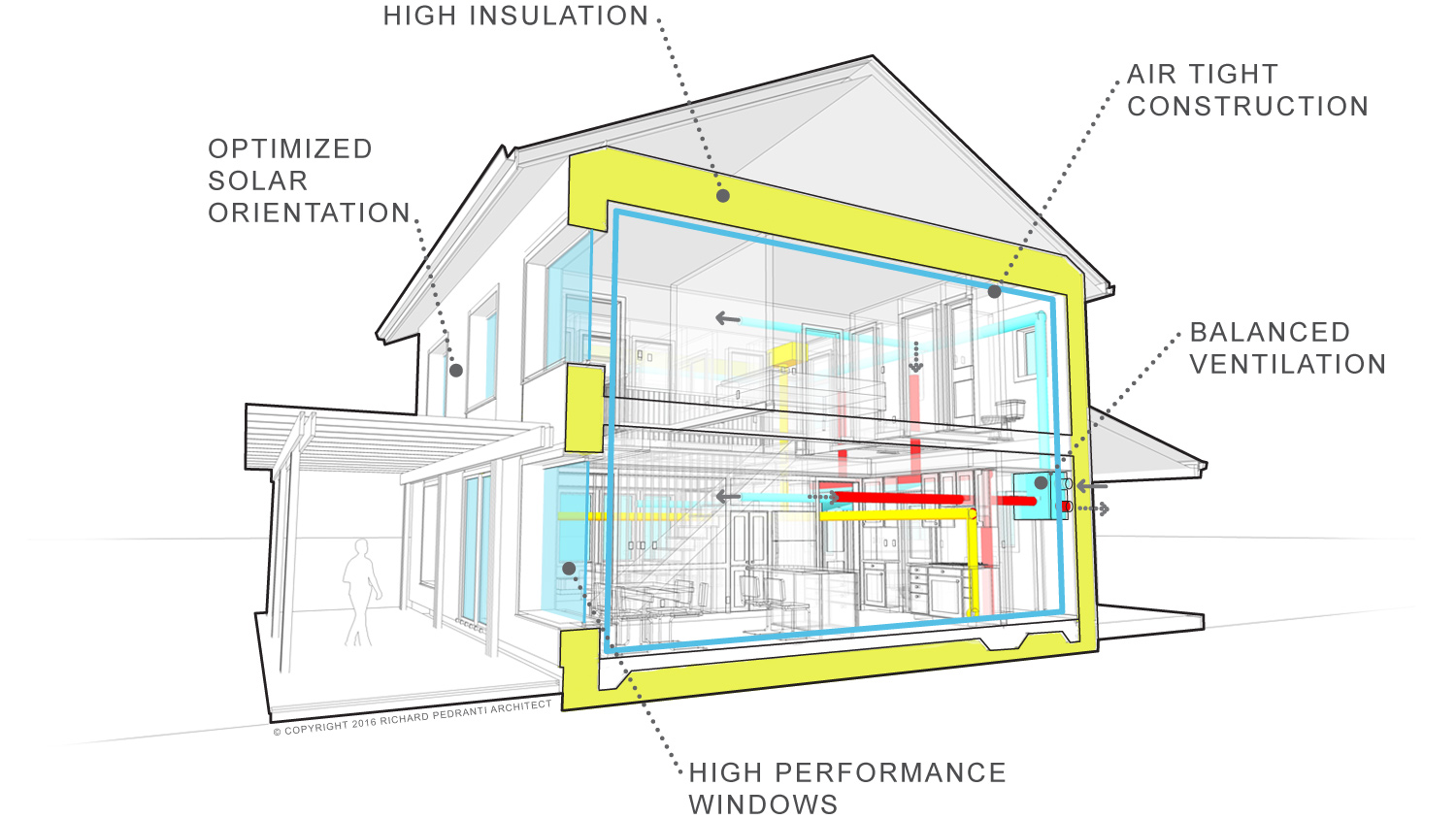
HTM high thermal mass sustainable, passive solar, green home tips
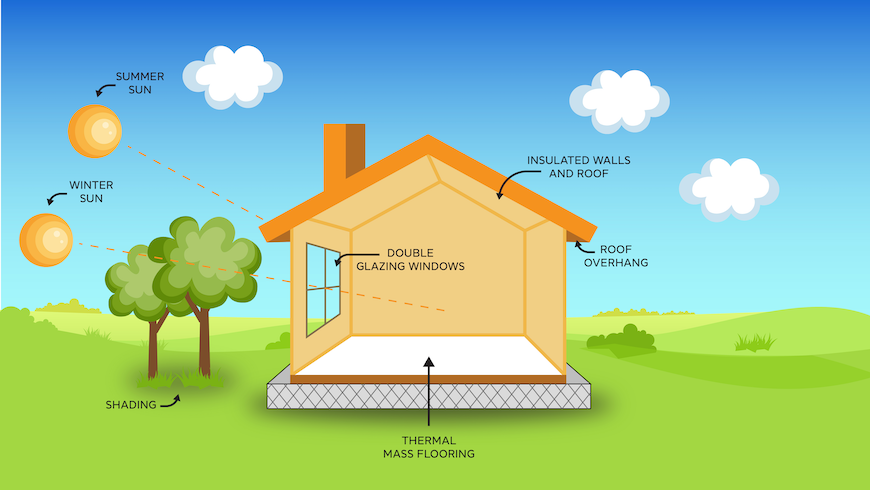
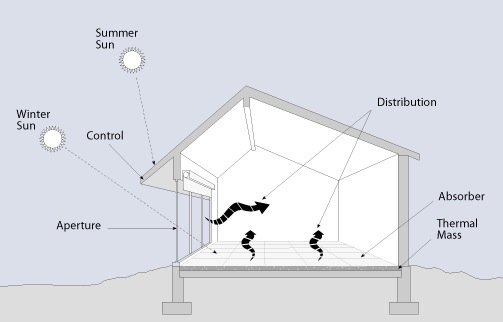
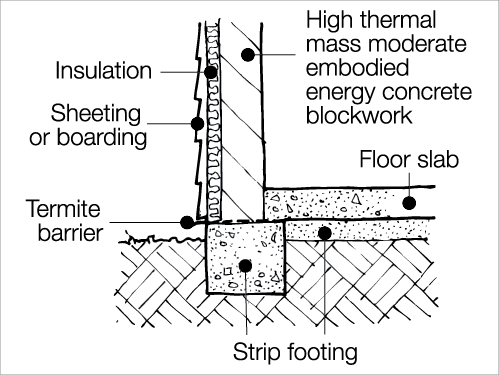
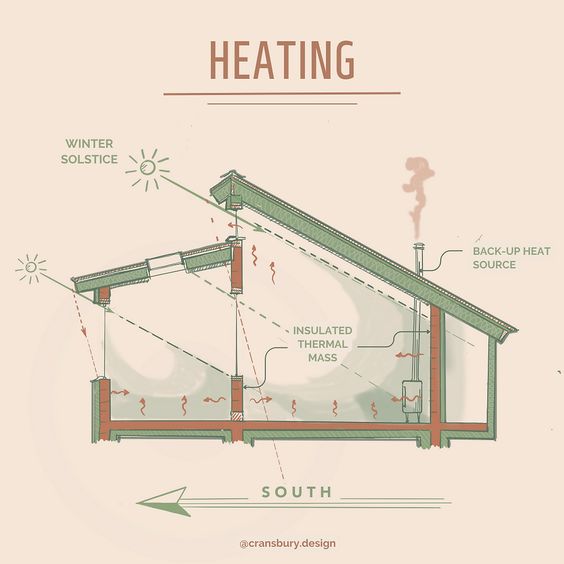
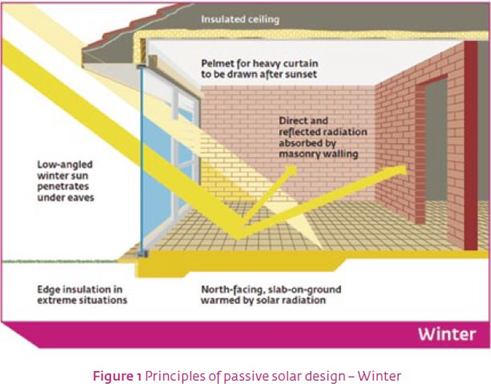
For sustainable passive solar house plans, the wall and floor building material of choice is thermic, high thermal mass . Sustainable, passive solar, alternative earthomes don't require alternative building materials .
Thermal mass

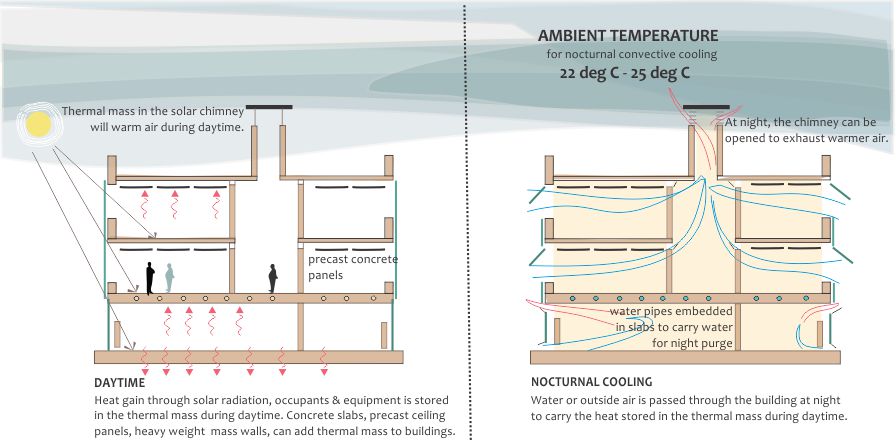
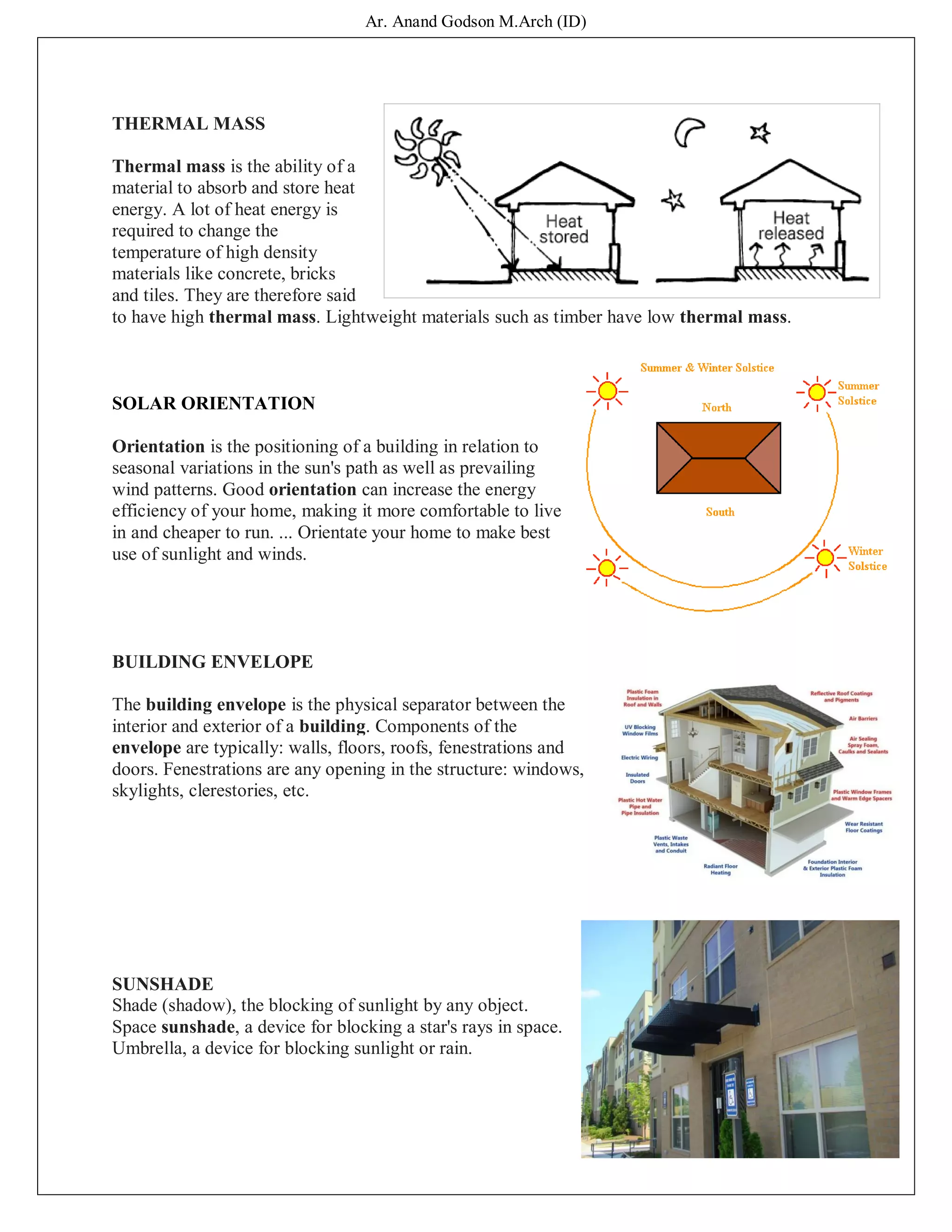
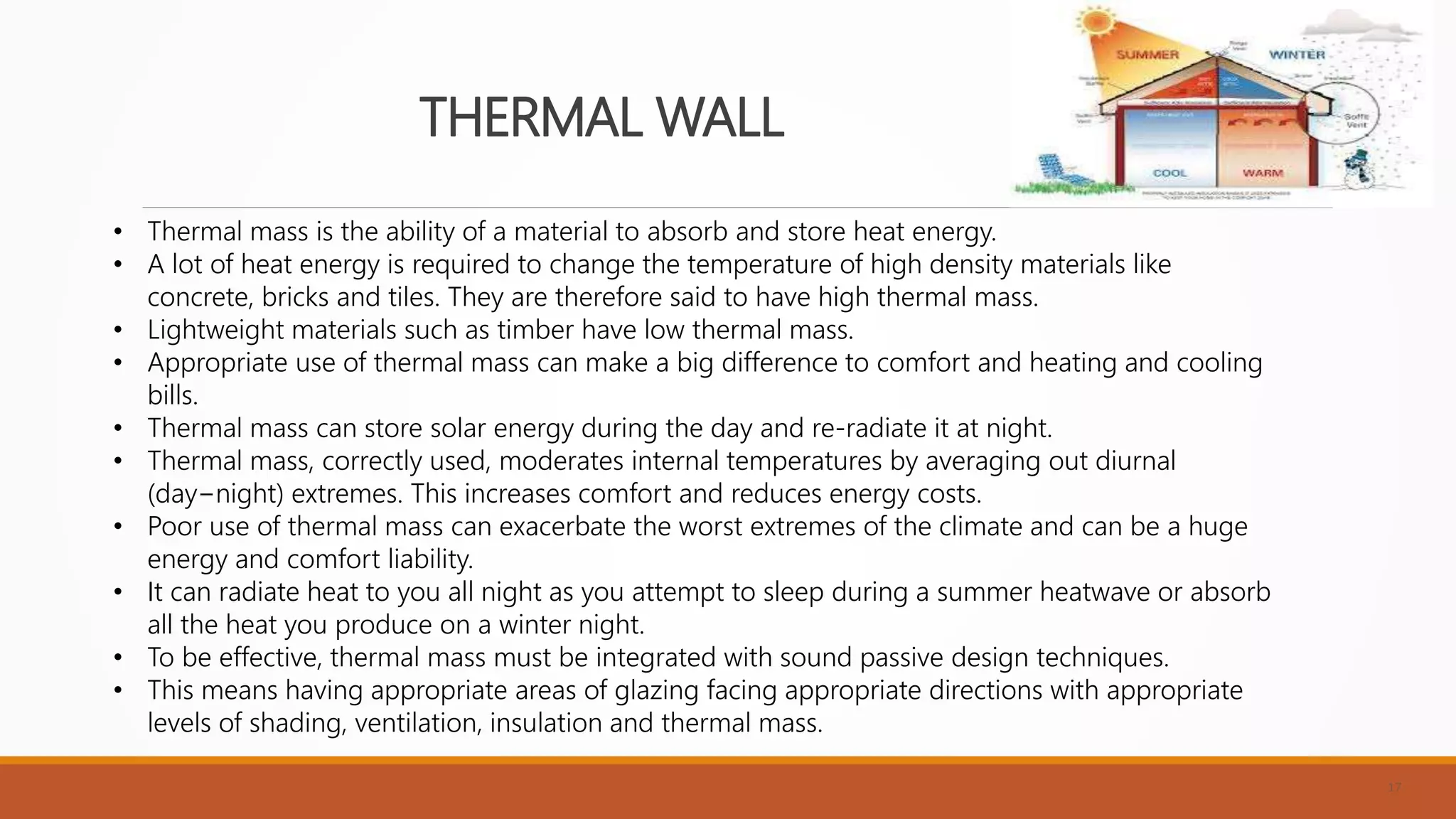
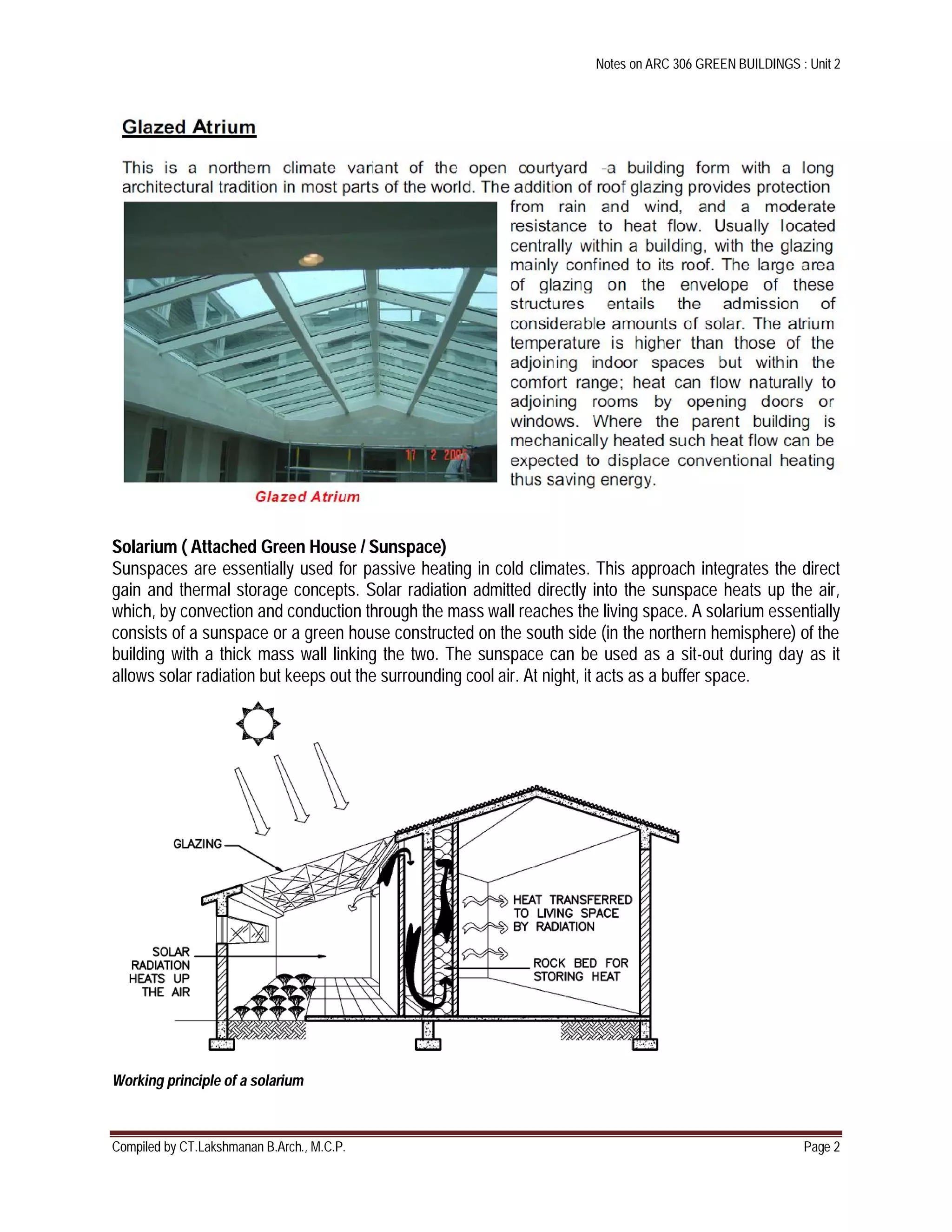
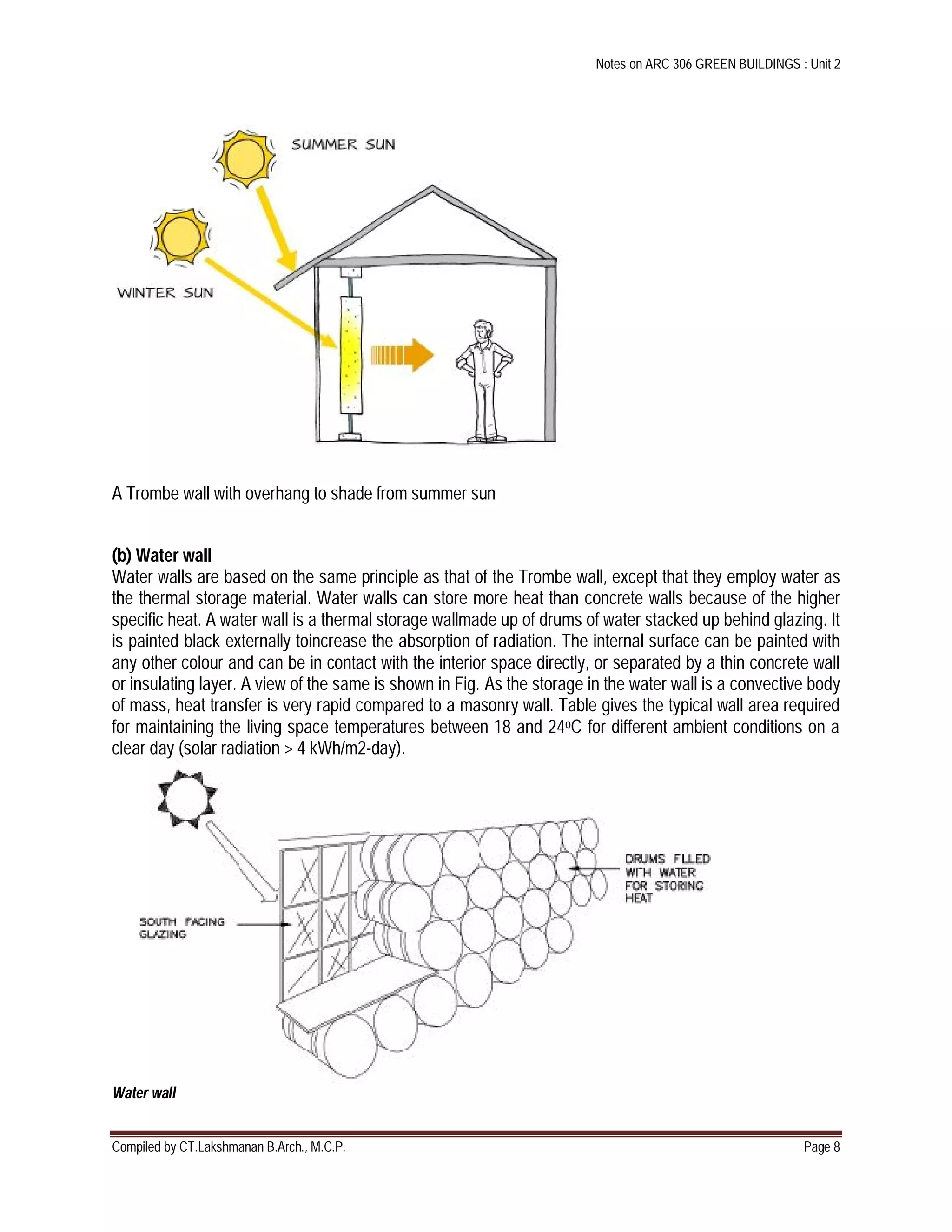
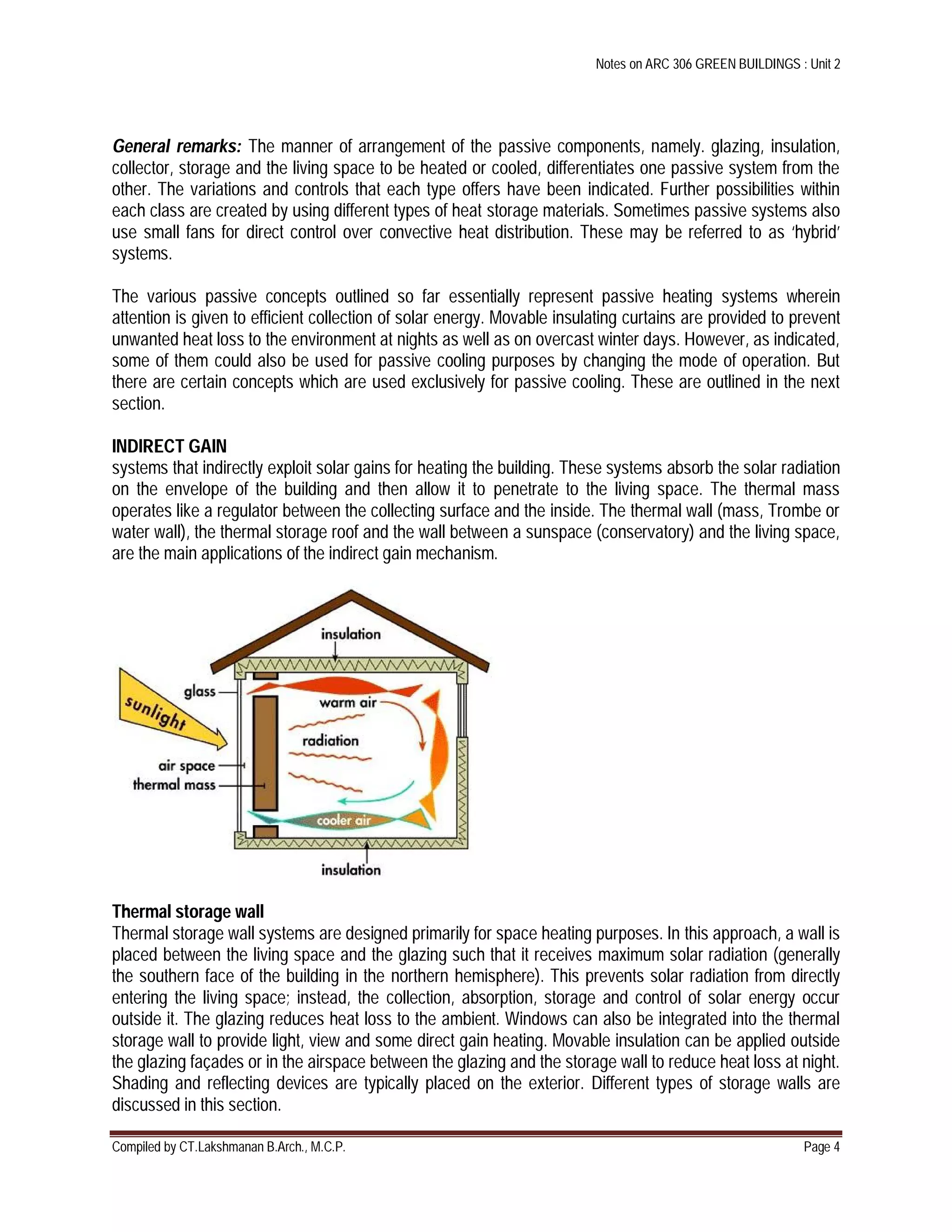
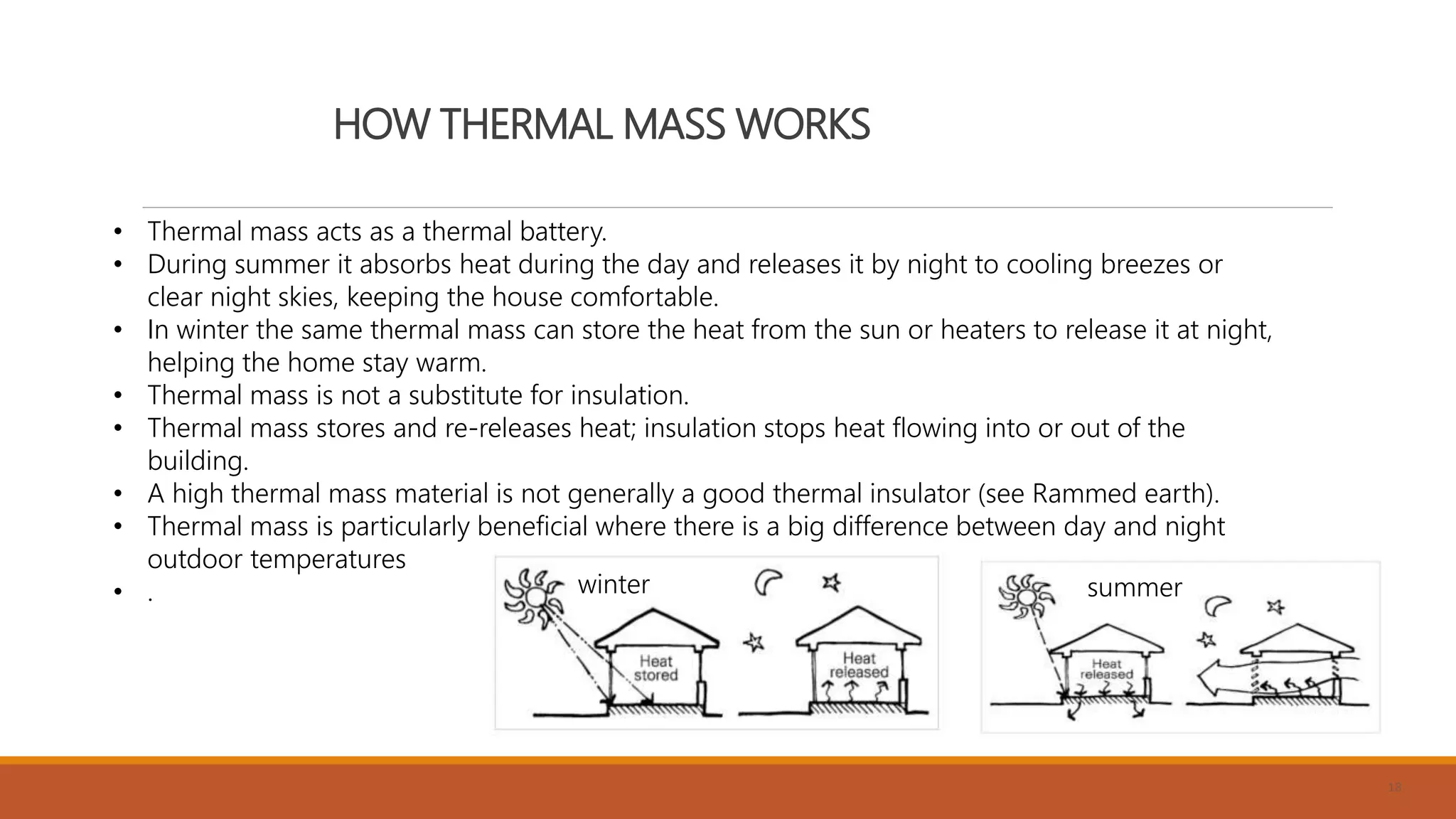
Key points Thermal mass is the ability of a material to absorb, store and release heat. Thermal lag is the rate at which a material releases stored heat. For most common building materials , the higher the thermal mass , the longer the thermal lag. Materials with high thermal mass and long lag times are often simply referred to as 'thermal mass' . These are typically heavyweight construction ...
Guide describing materials and methods for incorporating thermal mass into the construction of a home for temperature regulation, energy savings, and resistance to extreme heat and cold.
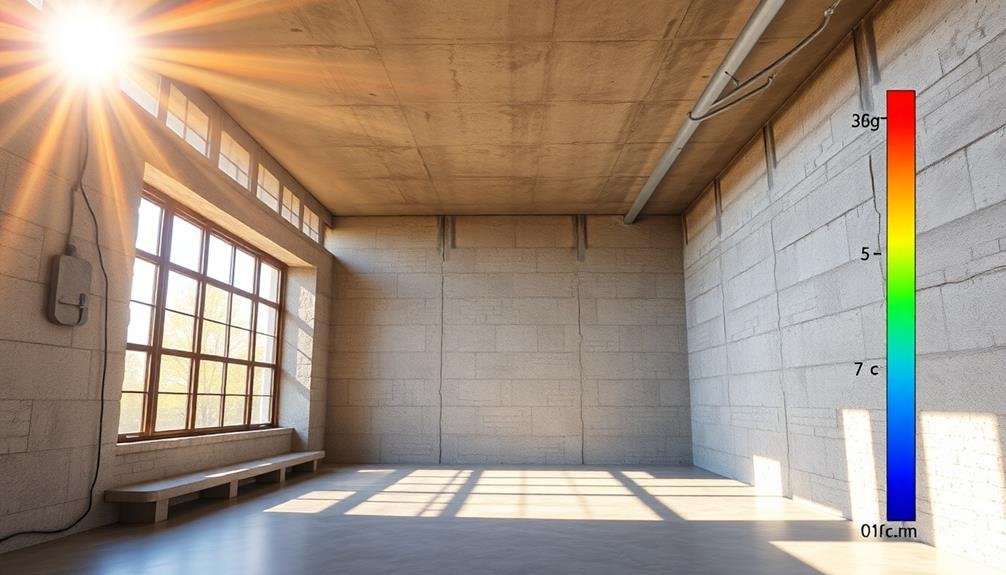
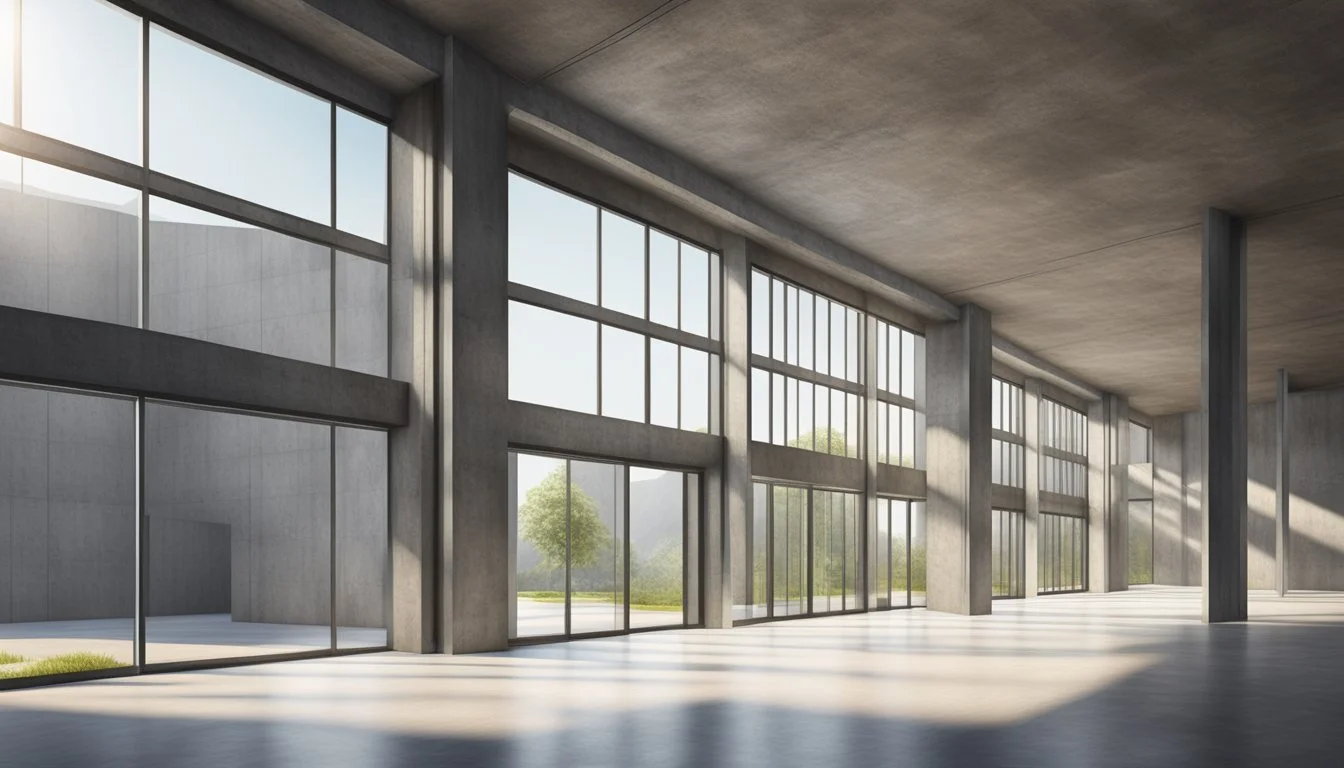
This particular example perfectly highlights why High-Thermal Mass Materials For Passive Building is so captivating.
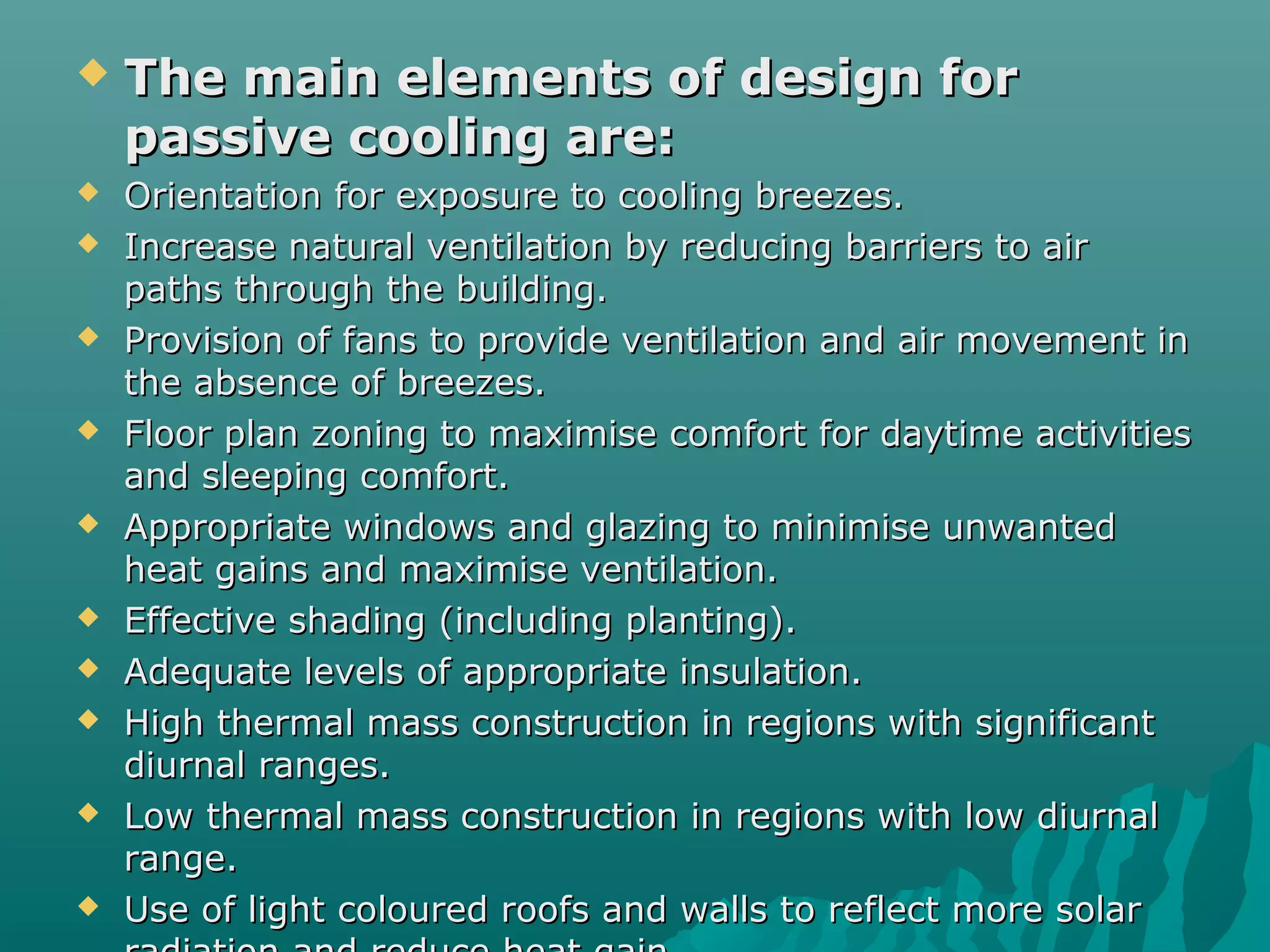
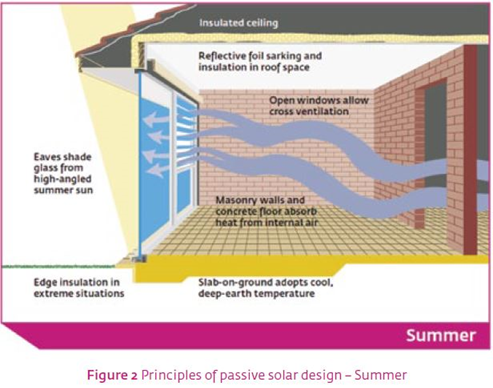
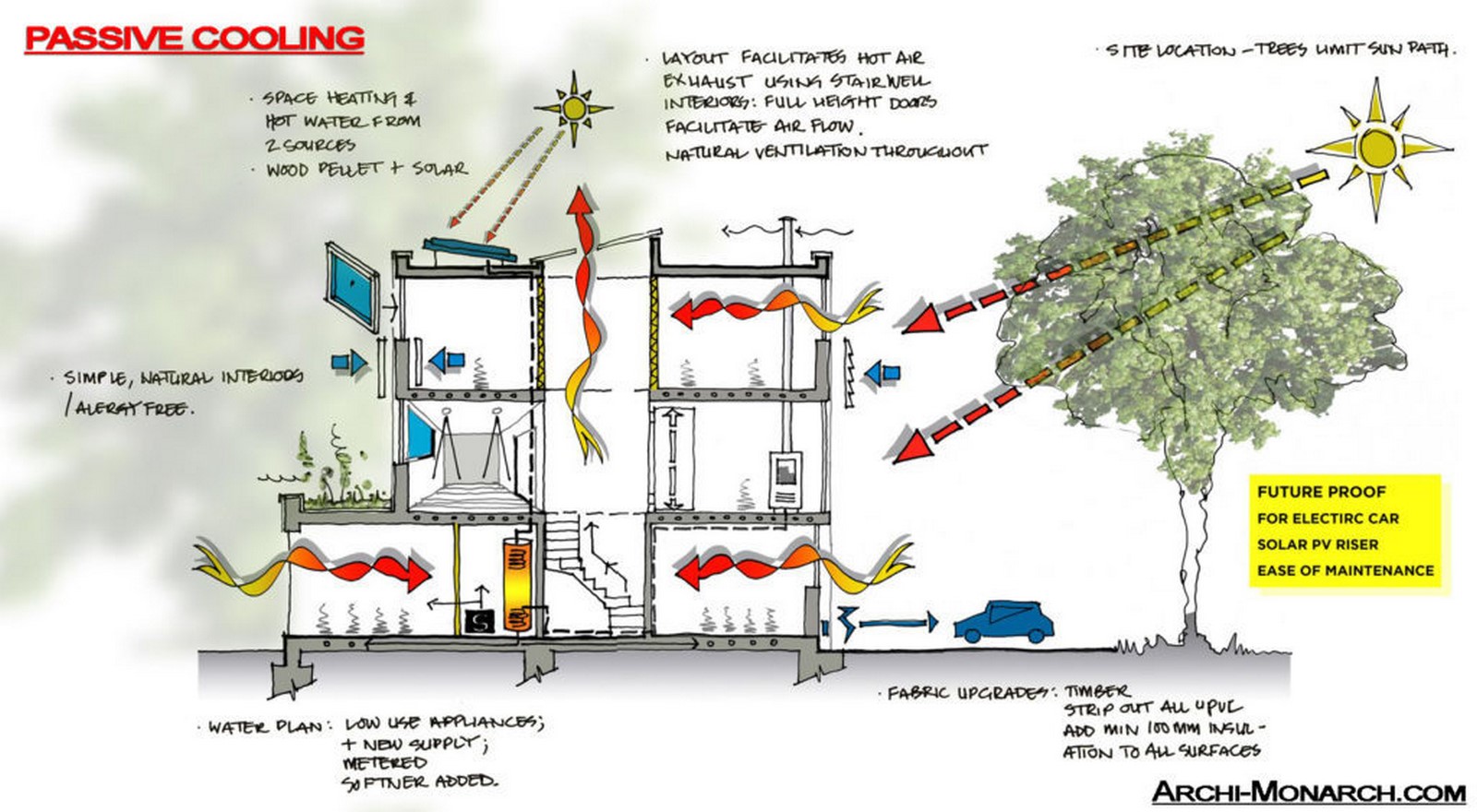
Conclusion Thermal mass materials are a cornerstone of passive cooling and sustainable building design. By leveraging materials that absorb and release heat, builders can create comfortable, energy-efficient buildings that reduce environmental impact.
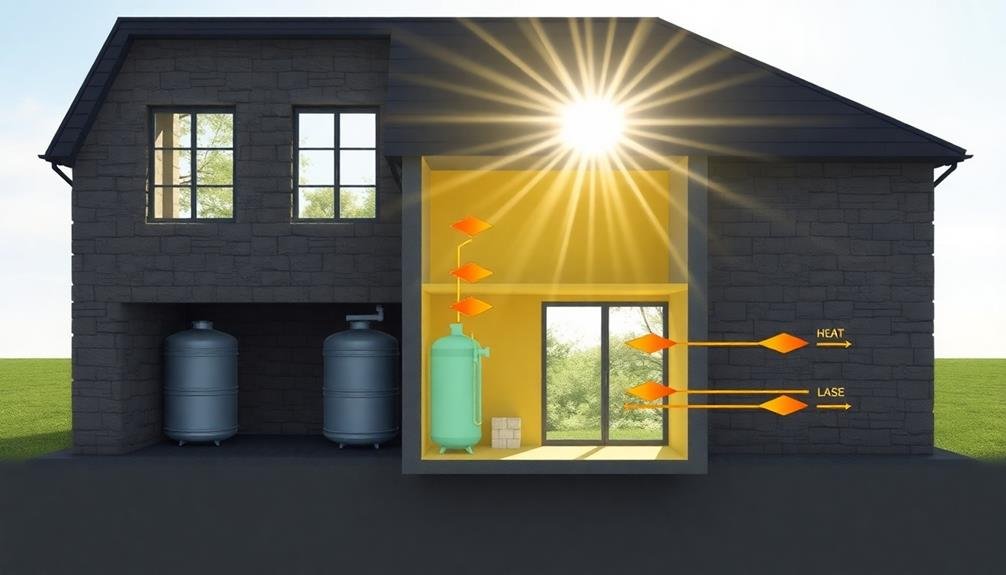
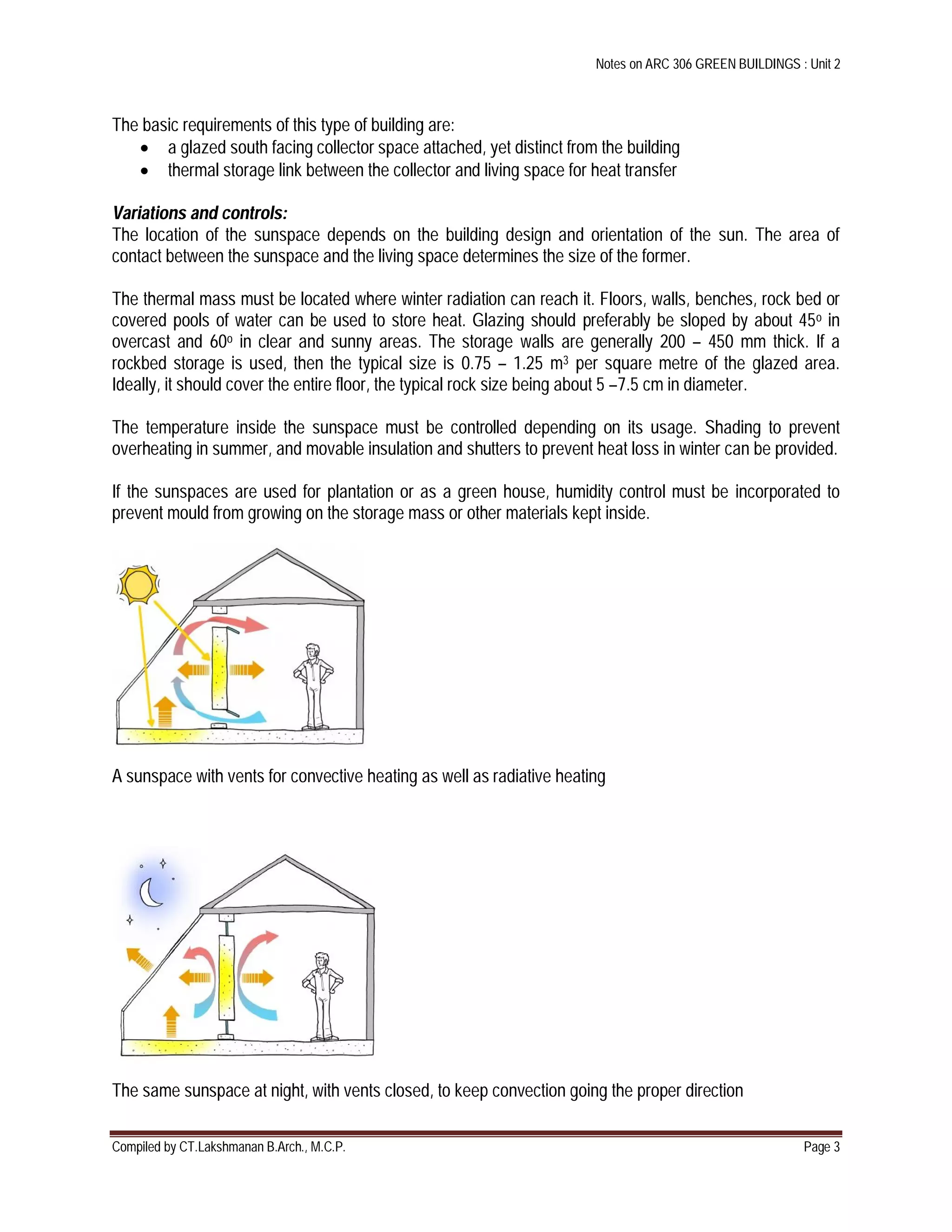
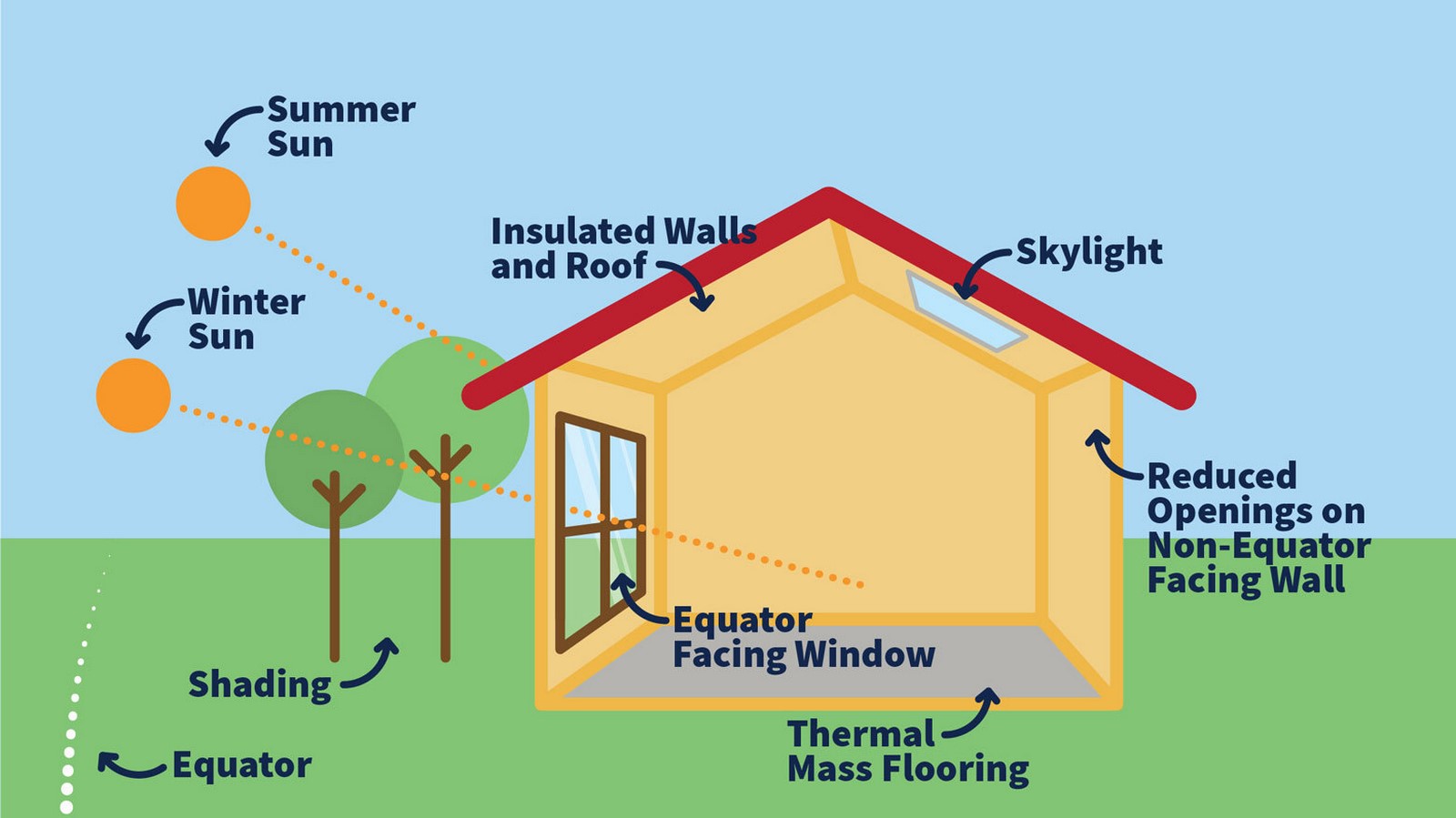
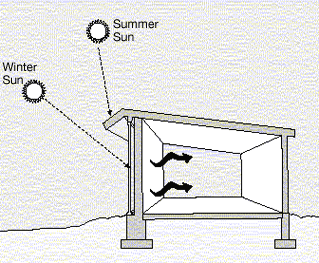
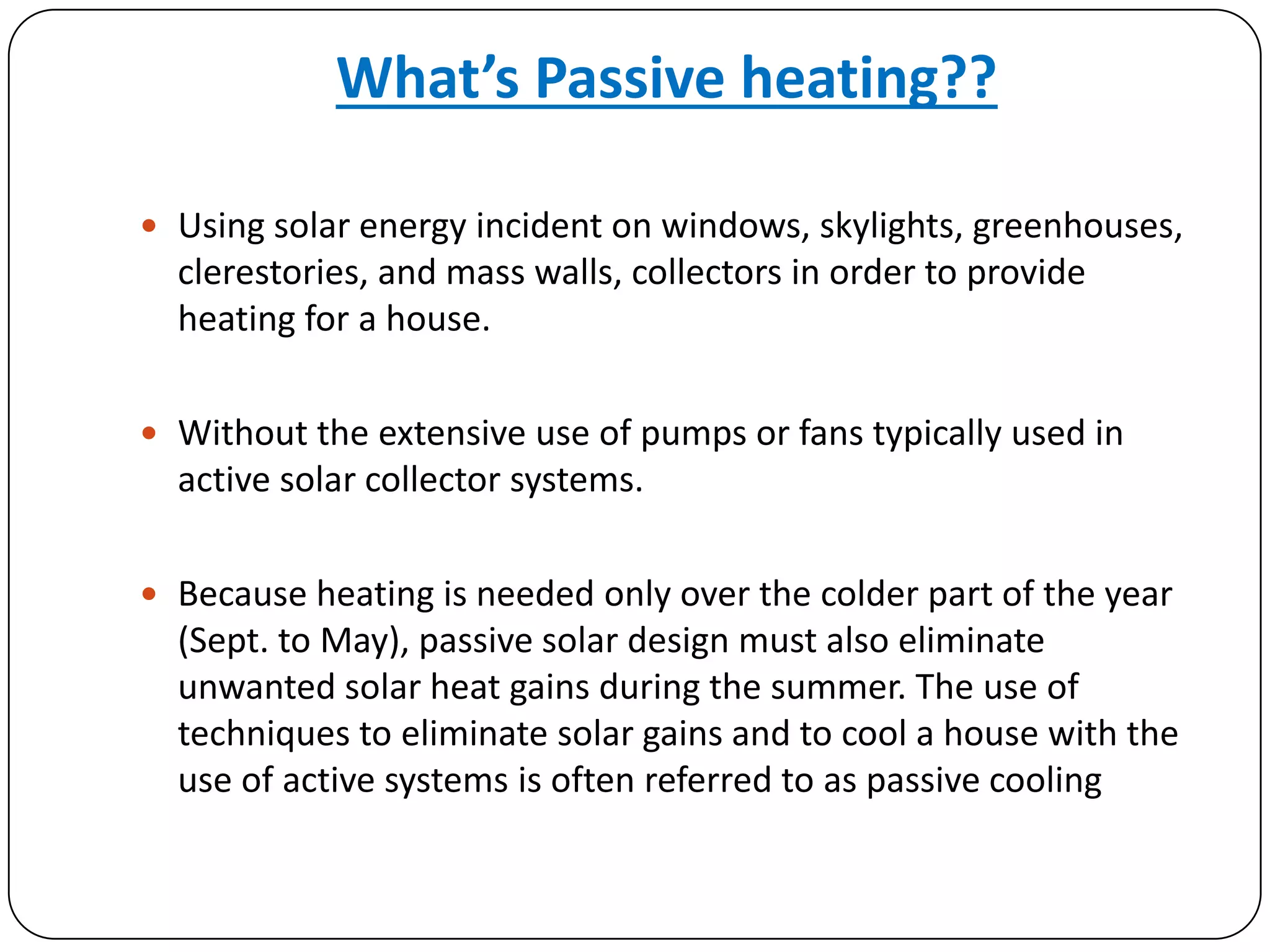
Thermal mass is a material property that can help reduce temperature fluctuations throughout the day. Thermal mass materials achieve this effect by absorbing heat during periods of high solar insolation, and releasing heat when the surrounding air begins to cool. When incorporated into passive solar heating and cooling technologies, thermal mass can play a significant role in reducing a ...