Beautiful Perspectives on How To Identify Chocolate Toxicity In Dogs
Chocolate toxicity
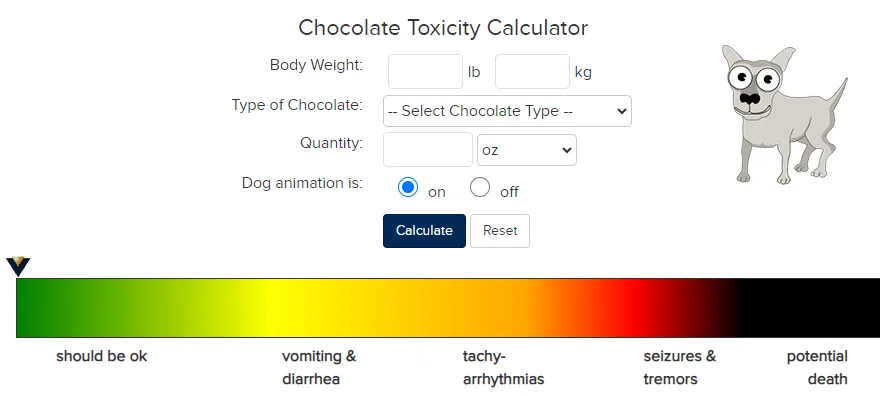
Dogs are most commonly diagnosed with chocolate toxicity after a history of known ingestion and physical exam findings. It is helpful if you know the amount and type of chocolate your dog consumed to help determine their overall risk. Your veterinarian may recommend blood work or additional testing depending on their clinical signs.
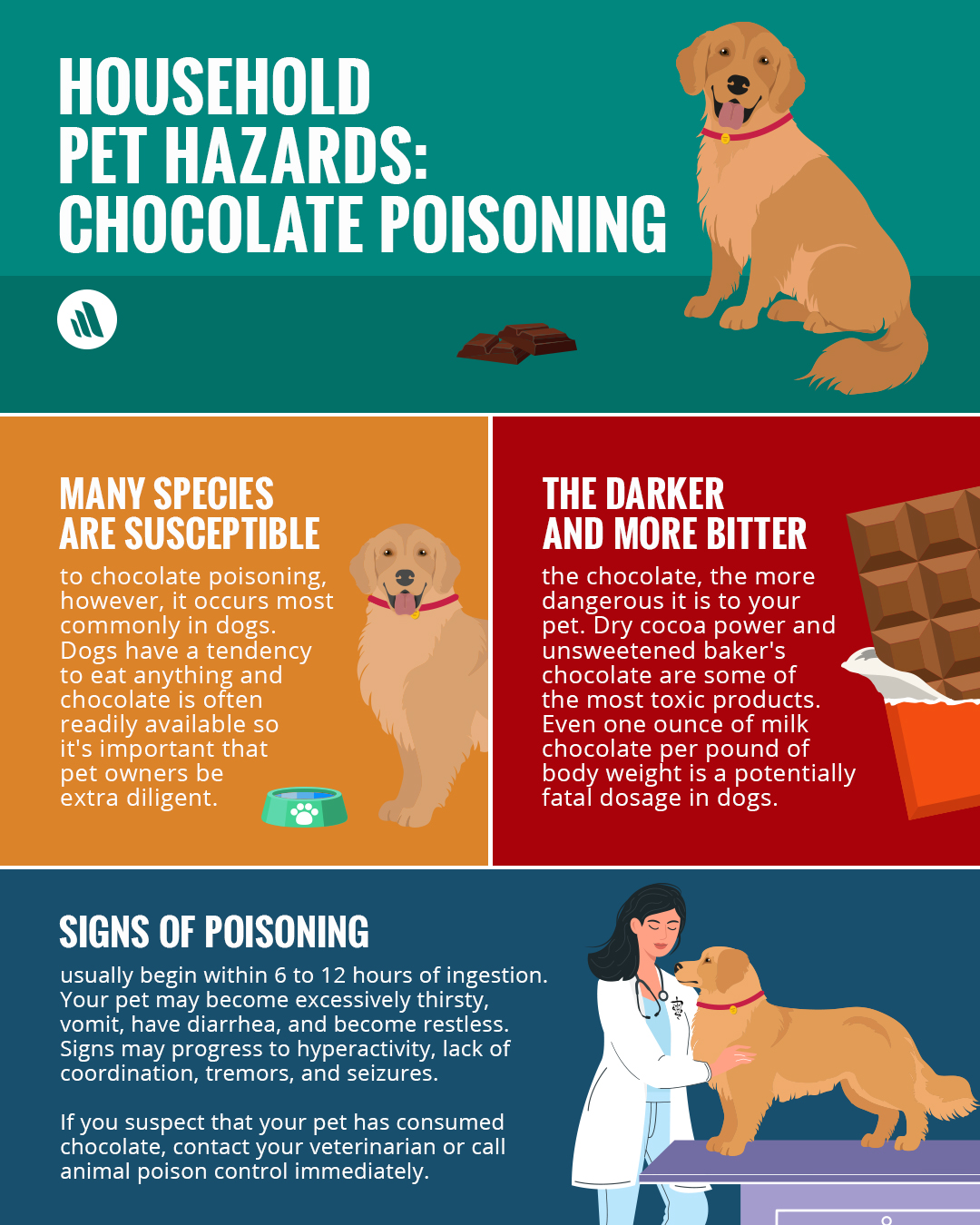
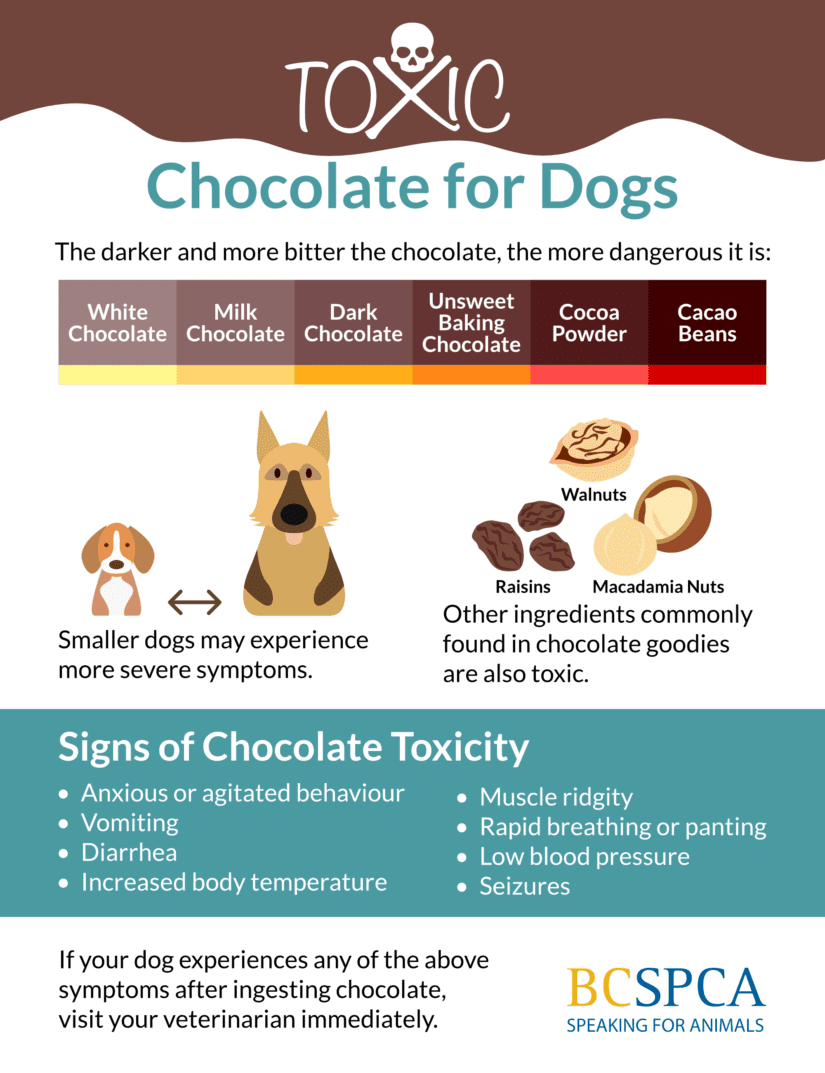
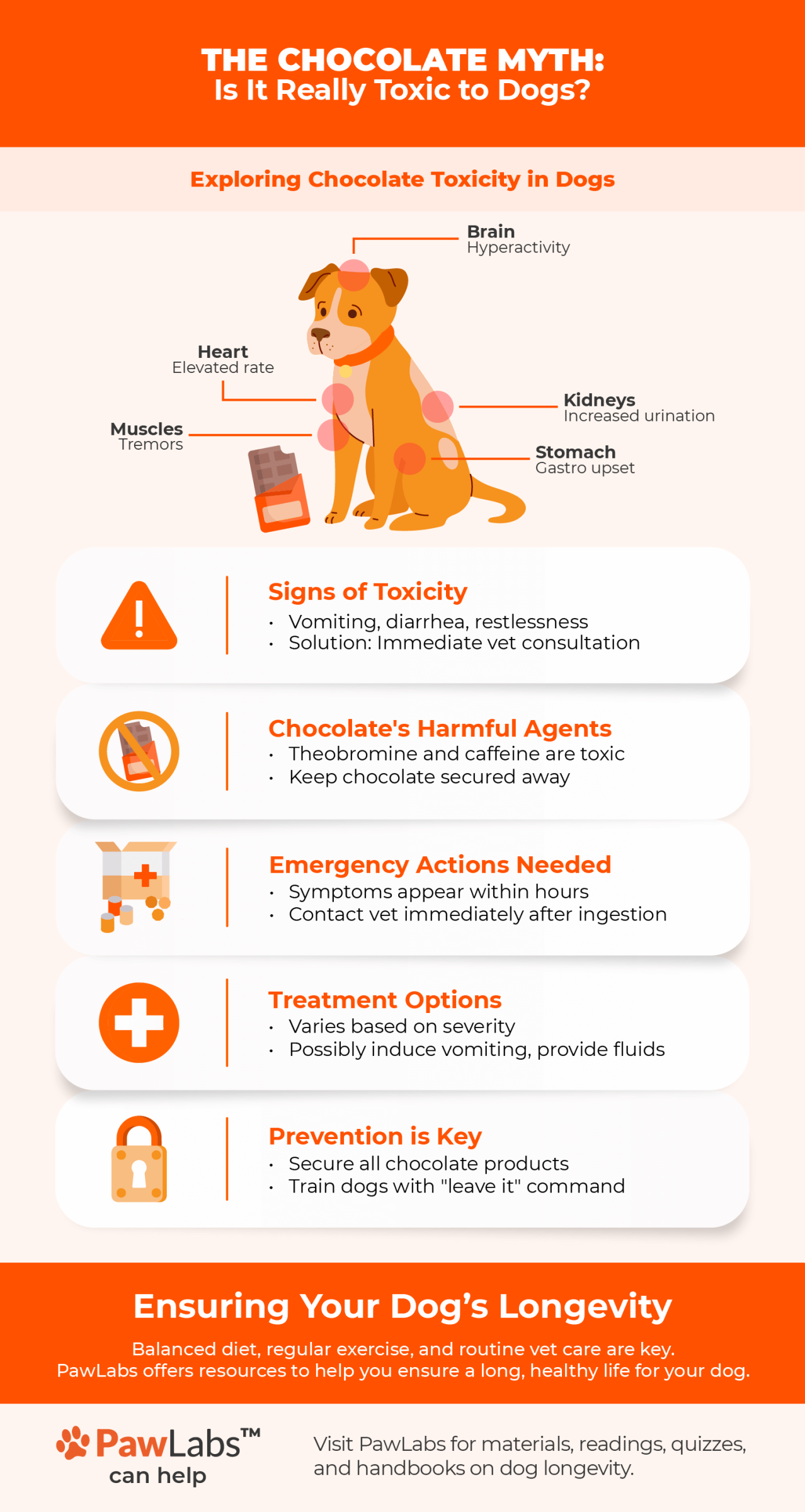
Chocolate toxicity in pets is diagnosed by veterinarians through a combination of clinical signs and a detailed history of exposure. Common symptoms indicating possible chocolate ingestion include vomiting, diarrhea, elevated heart rate, panting, and increased urination.
How To Identify Chocolate Toxicity In Dogs
Such details provide a deeper understanding and appreciation for How To Identify Chocolate Toxicity In Dogs.
Chocolate Toxicity
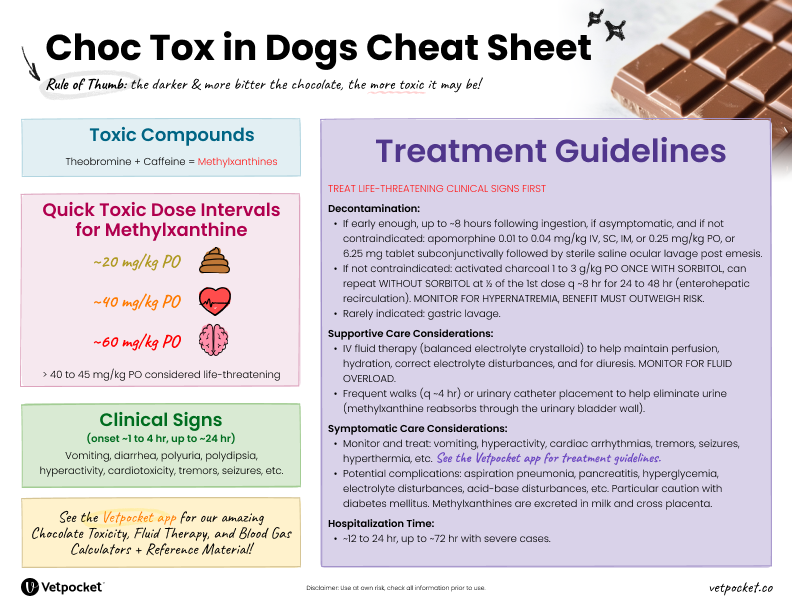
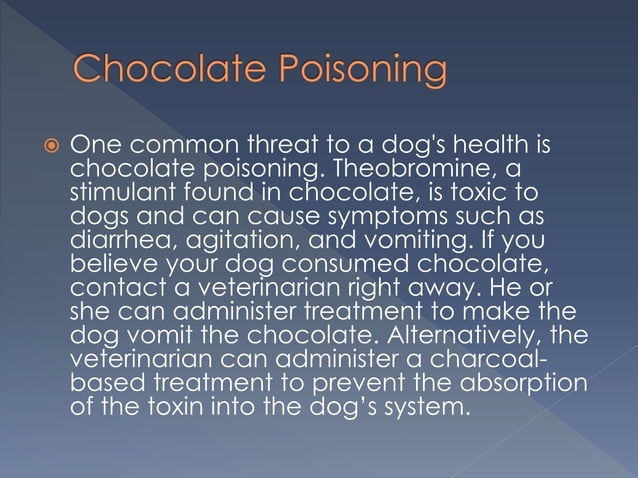
Chocolate contains theobromine, a substance that dogs cannot metabolise effectively. This allows it to build up in the body and cause toxic effects. Chocolate also contains small amounts of caffeine, which can contribute to clinical signs.
How To Identify Chocolate Toxicity In Dogs
Chocolate toxicosis in pets
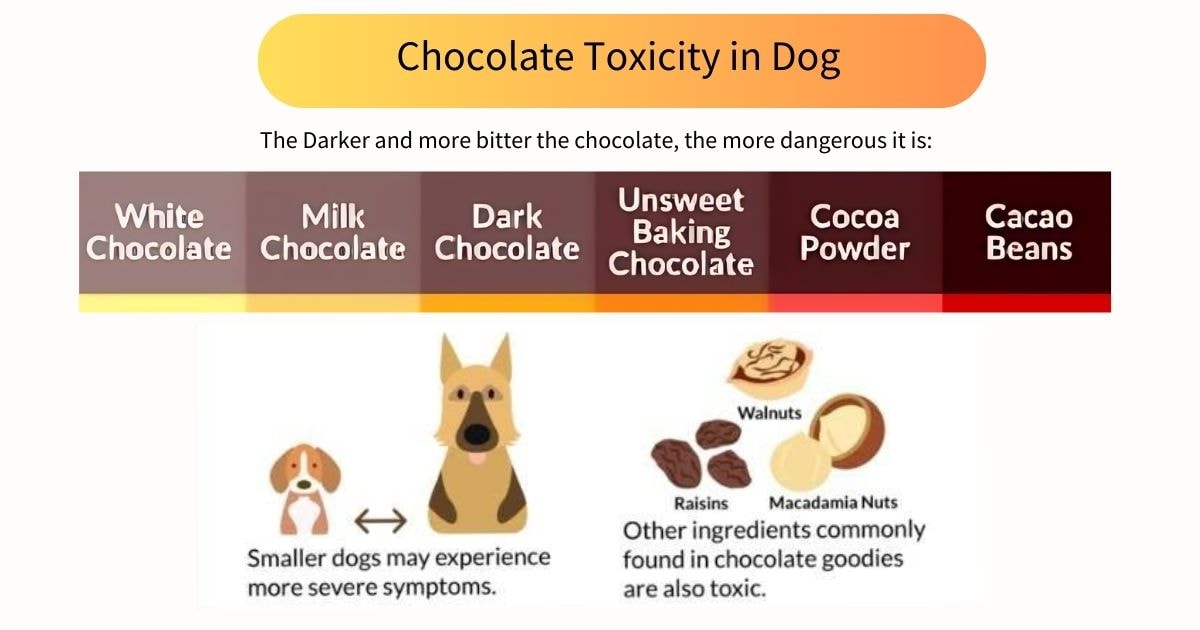
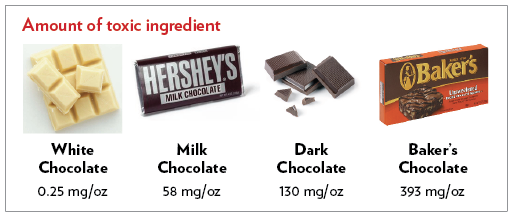
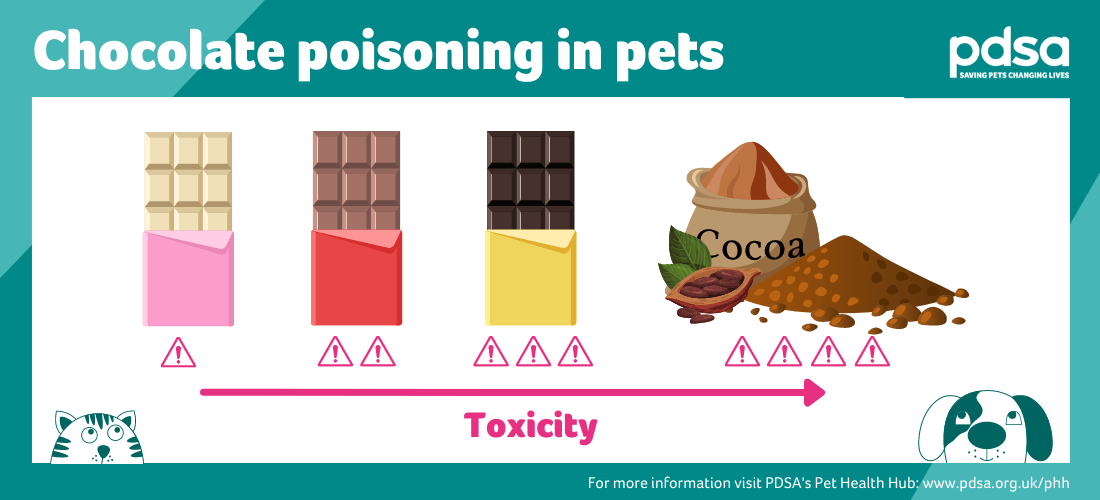
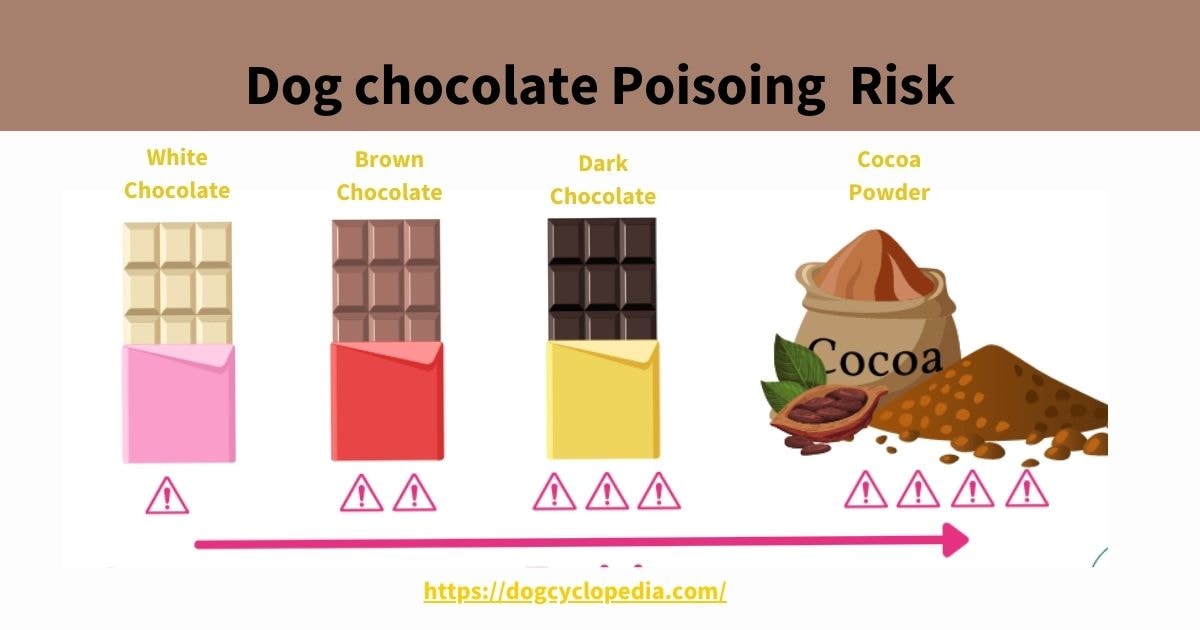
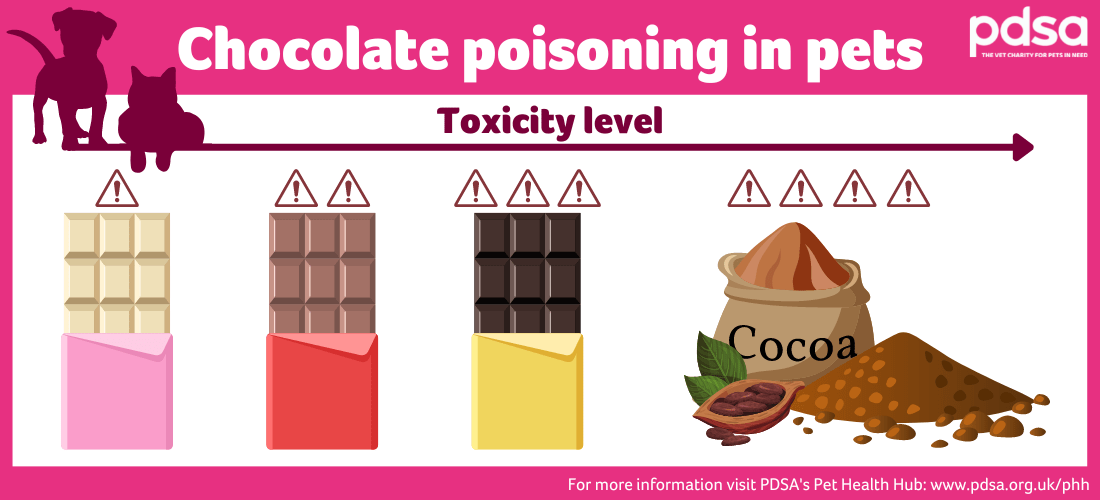
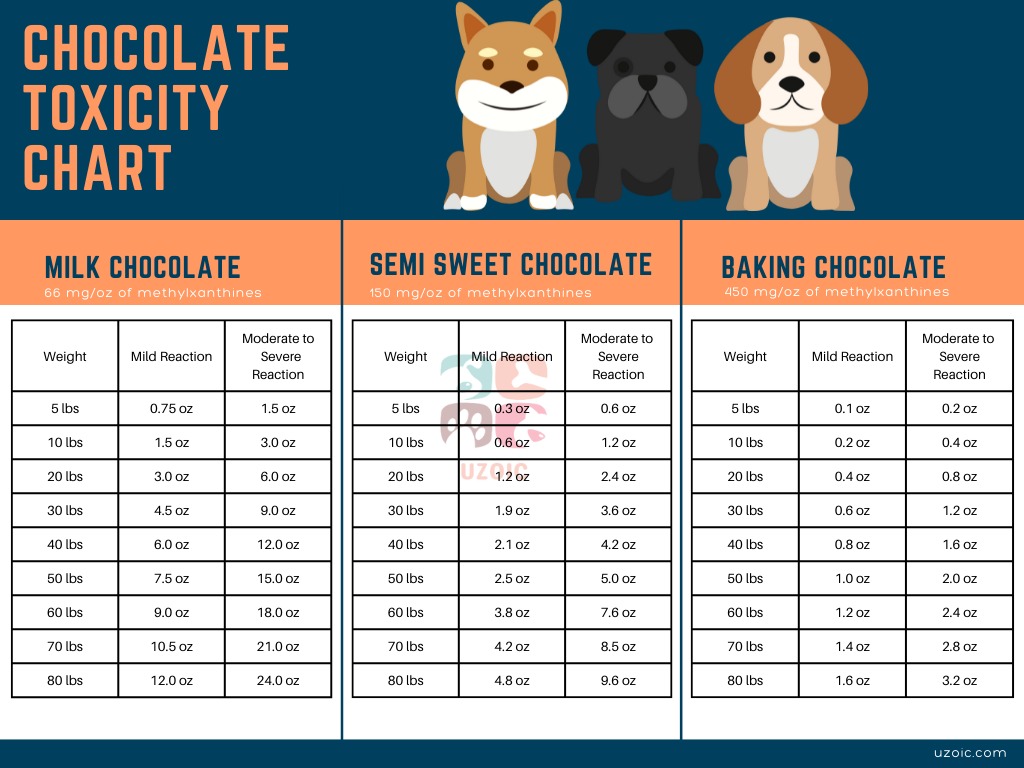
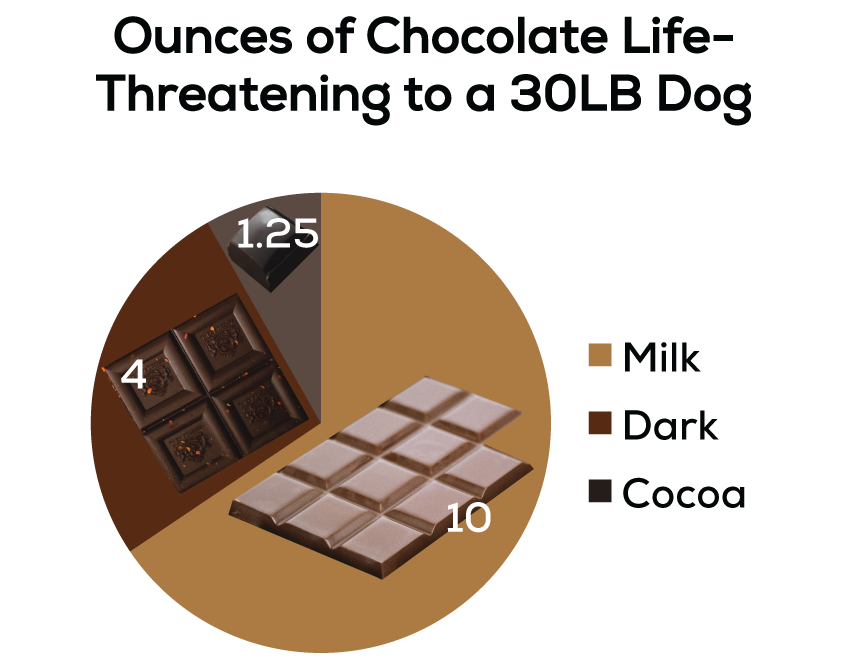
Chocolate -covered raisins, nuts and coffee beans present an additional toxicological hazard in dogs . The type of chocolate is defined in law by the percentage of cocoa solids, with dark (plain) chocolate containing more than milk chocolate .
How To Identify Chocolate Toxicity In Dogs
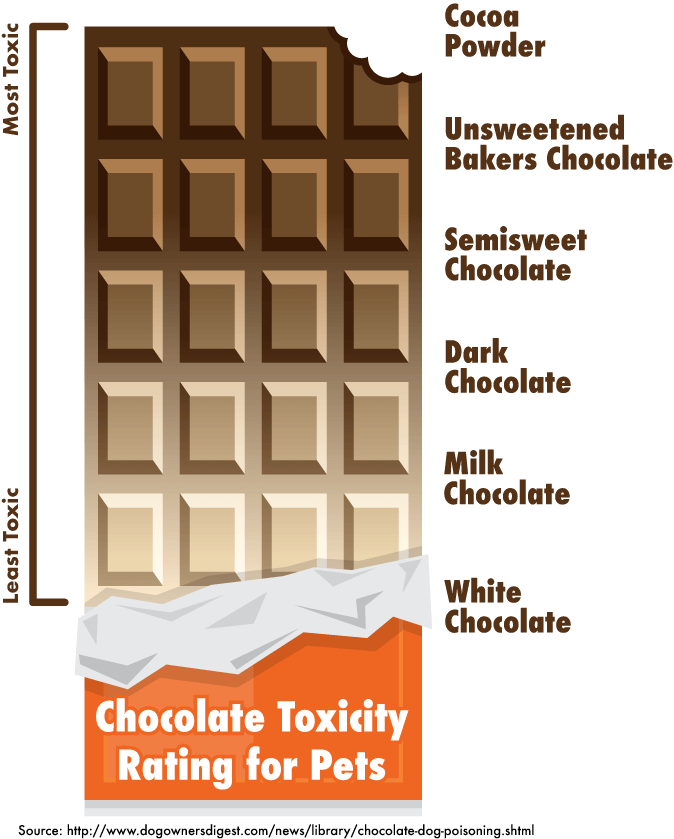
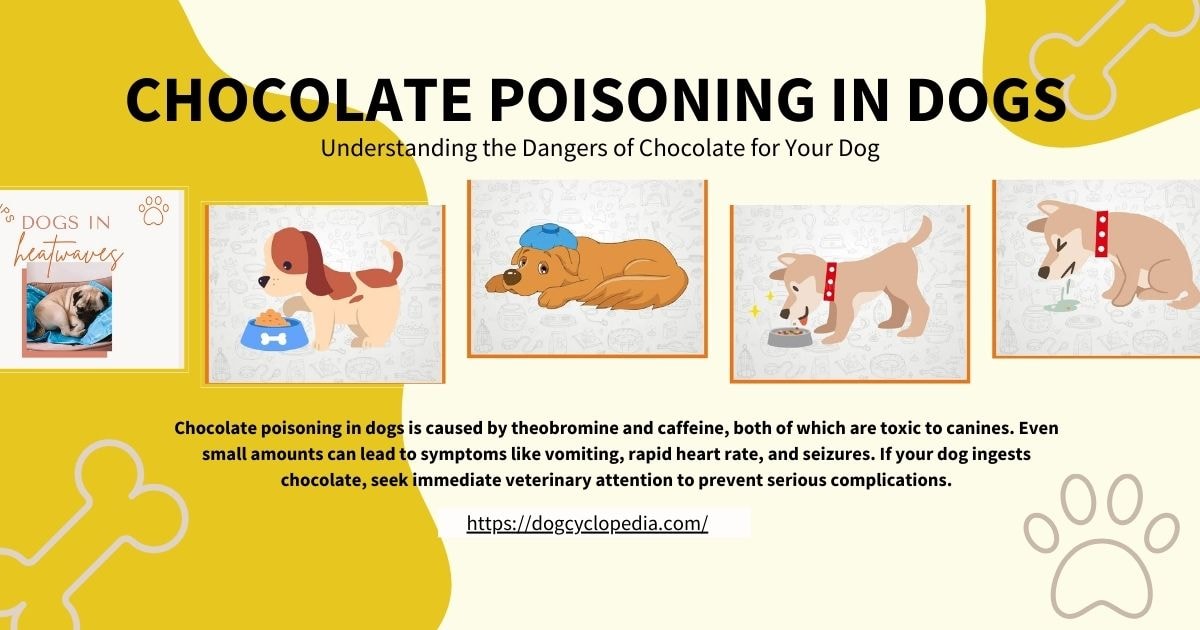
Chocolate is toxic to dogs . Read about chocolate poisoning symptoms and treatment, plus find out which type of chocolate is the most dangerous for dogs .