How Flooring Impacts Your Home's Energy Efficiency
How Does Underlayment Enhance Flooring Energy Efficiency and Heat Retention? Underlayment is an insulating and decoupling layer placed between the subfloor and the finish floor; its role includes improving R-value, reducing air leakage at the floor interface, providing moisture control, and delivering acoustic damping.
Floor Insulation Guide

Such details provide a deeper understanding and appreciation for Penthouse Flooring Energy Efficiency Tips.
Discover essential tips and methods for effective floor insulation in our comprehensive guide. Learn how to choose the right materials, navigate installation techniques, and ensure energy -efficient flooring for your home. Gain insights on improving comfort, reducing energy costs, and contributing to a sustainable environment with our expert advice on floor insulation.
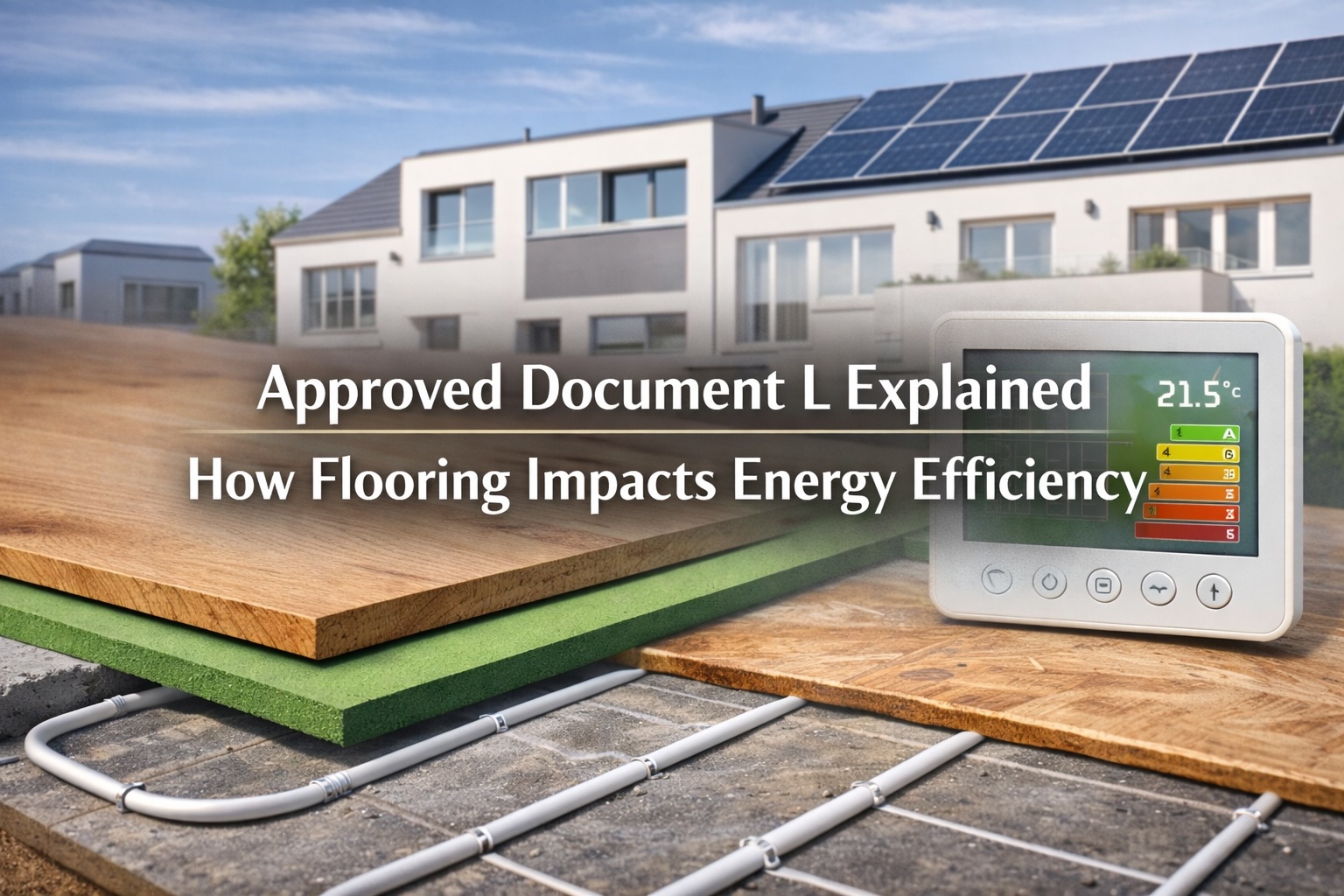
Learn how flooring impacts energy efficiency . Explore heat transfer, insulation, reflectivity, SPC & MgO performance, and design strategies for sustainable interiors.

Moving forward, it's essential to keep these visual contexts in mind when discussing Penthouse Flooring Energy Efficiency Tips.
7 Best Flooring Options for Temperature Control That Slash Energy Bills
Discover the 7 best flooring materials that help regulate indoor temperatures year-round, from heat-absorbing concrete to insulating cork—smart choices that enhance comfort while lowering energy bills.
Moving forward, it's essential to keep these visual contexts in mind when discussing Penthouse Flooring Energy Efficiency Tips.
Reduced energy consumption Lower heating bills 3. Increased Efficiency with Modern Insulation Modern homes are built with better insulation standards, which enhances the efficiency of underfloor heating systems. Insulated floors prevent heat from escaping downward, ensuring that the heat generated is effectively used to warm the living space above.