Metabolites as regulators of insulin sensitivity and metabolism
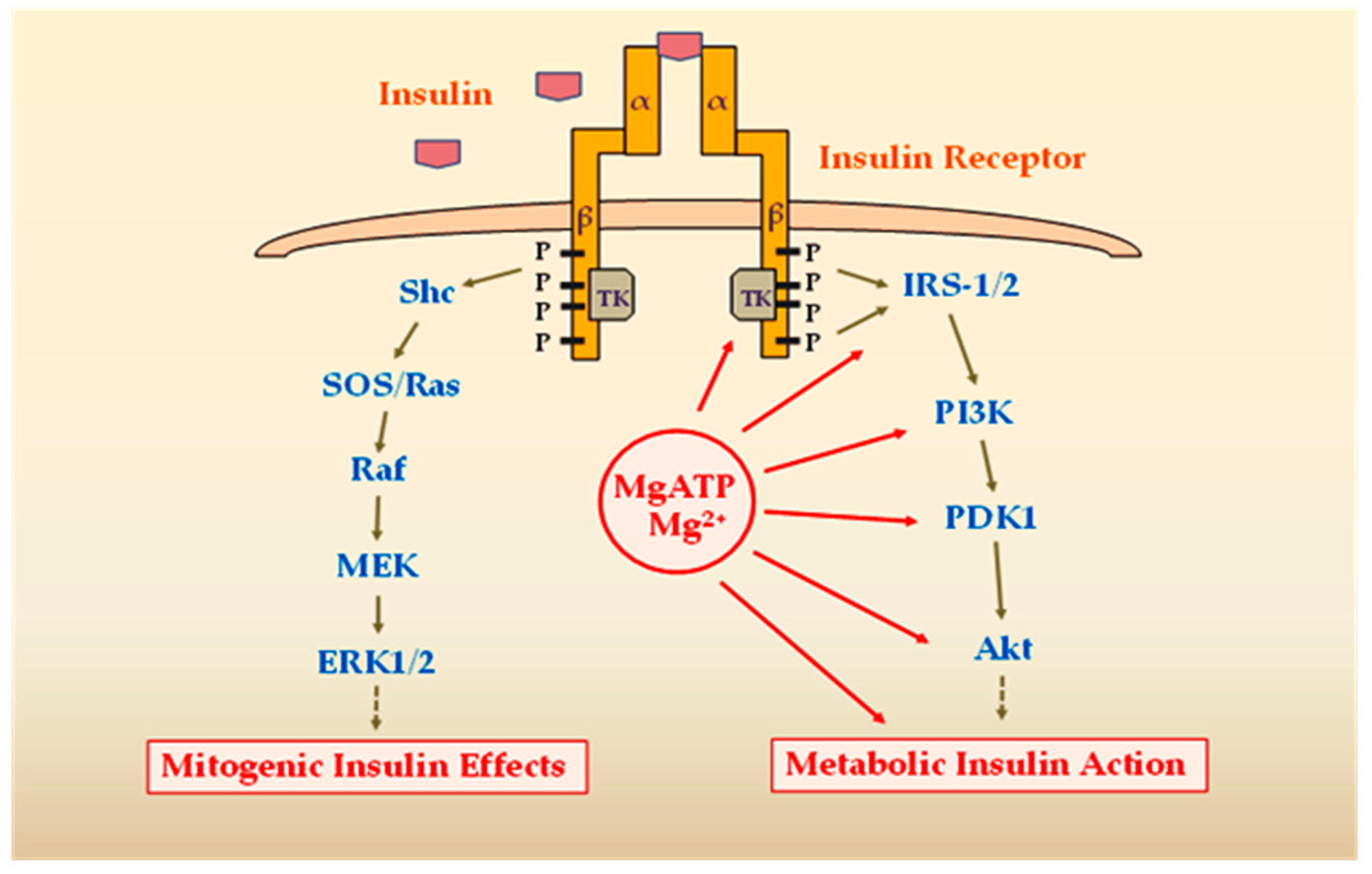
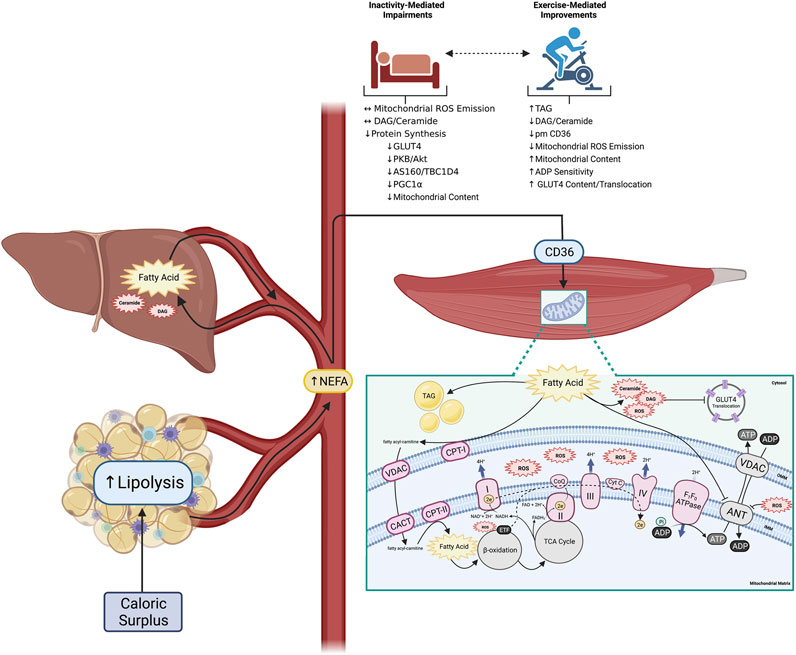
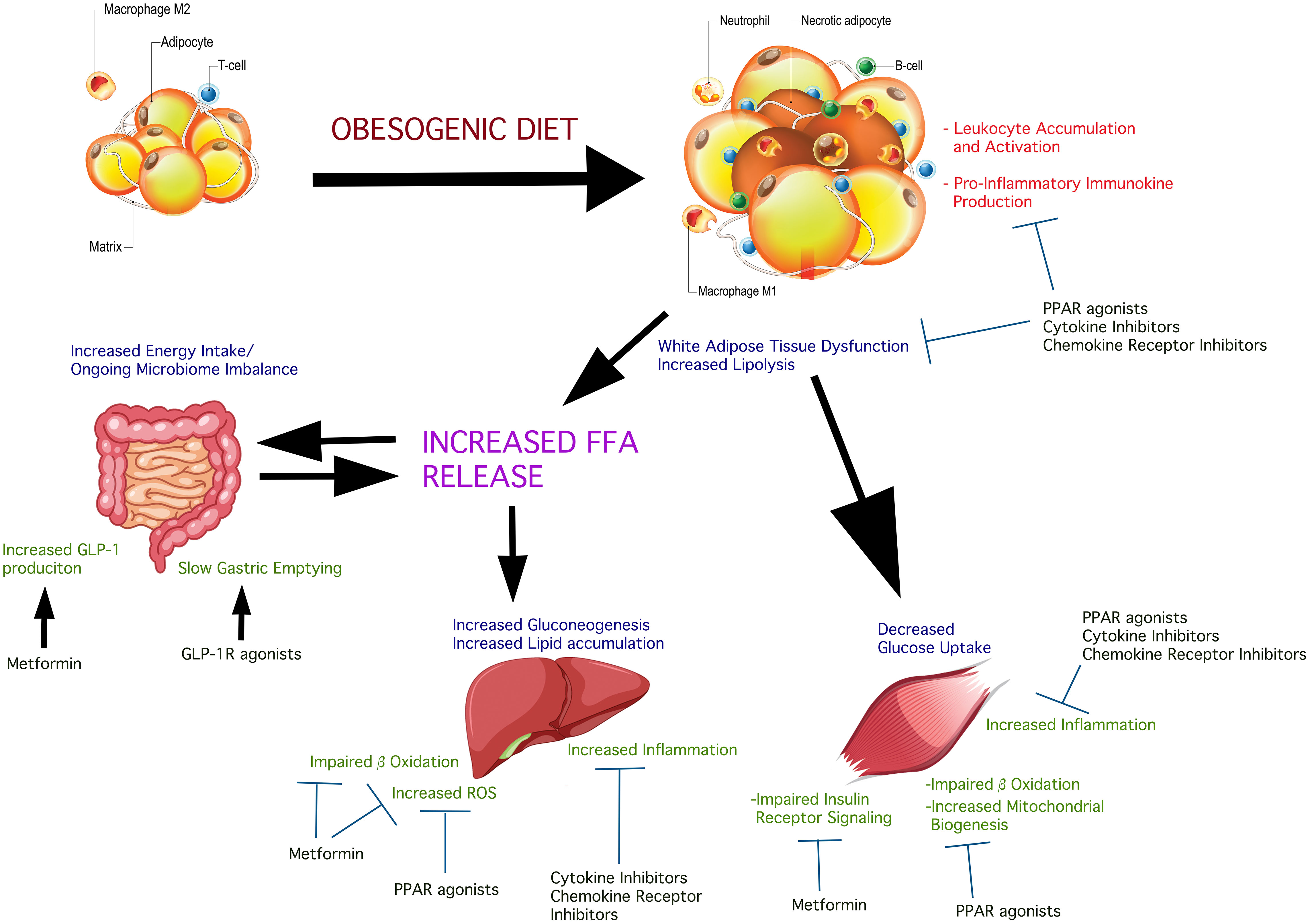
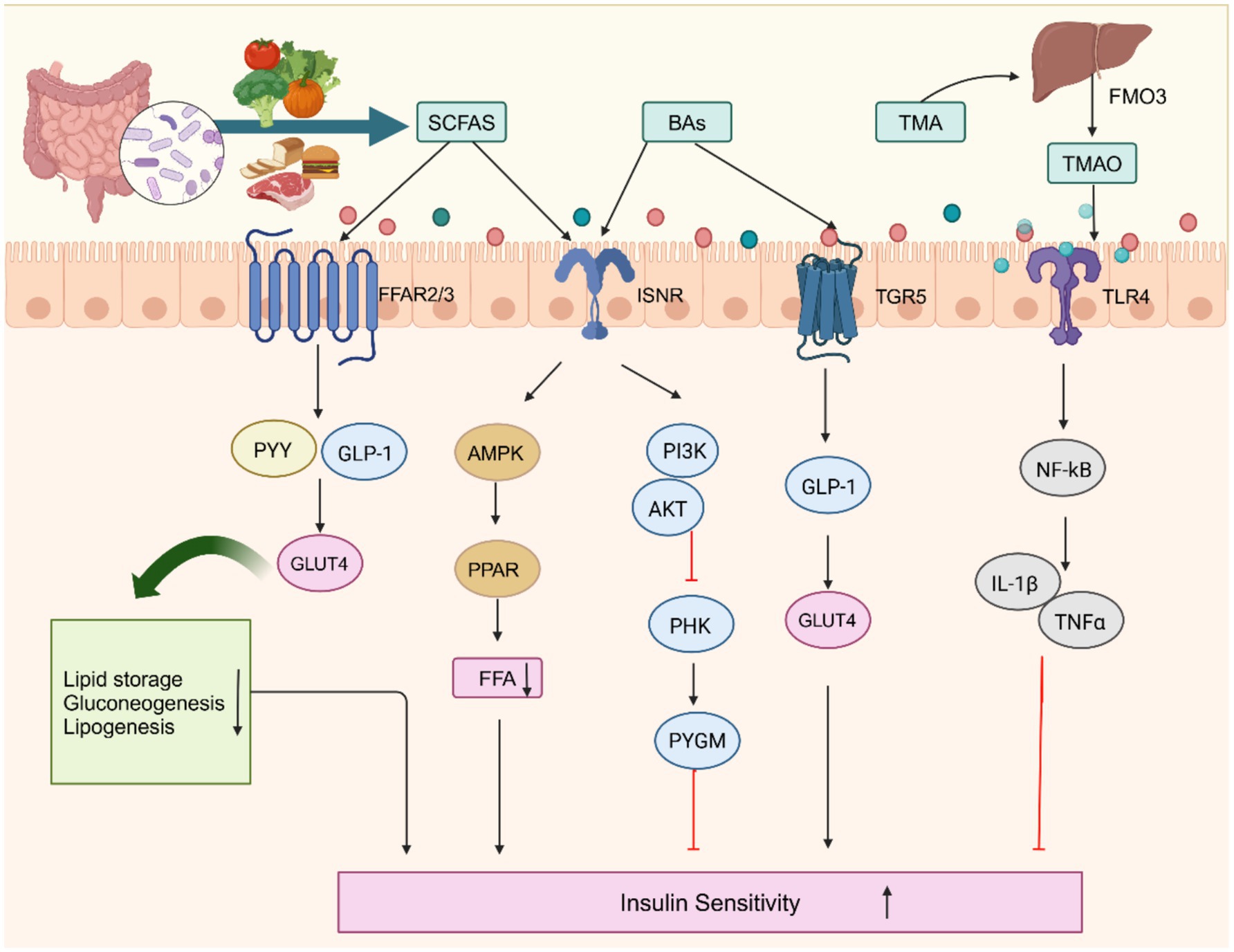
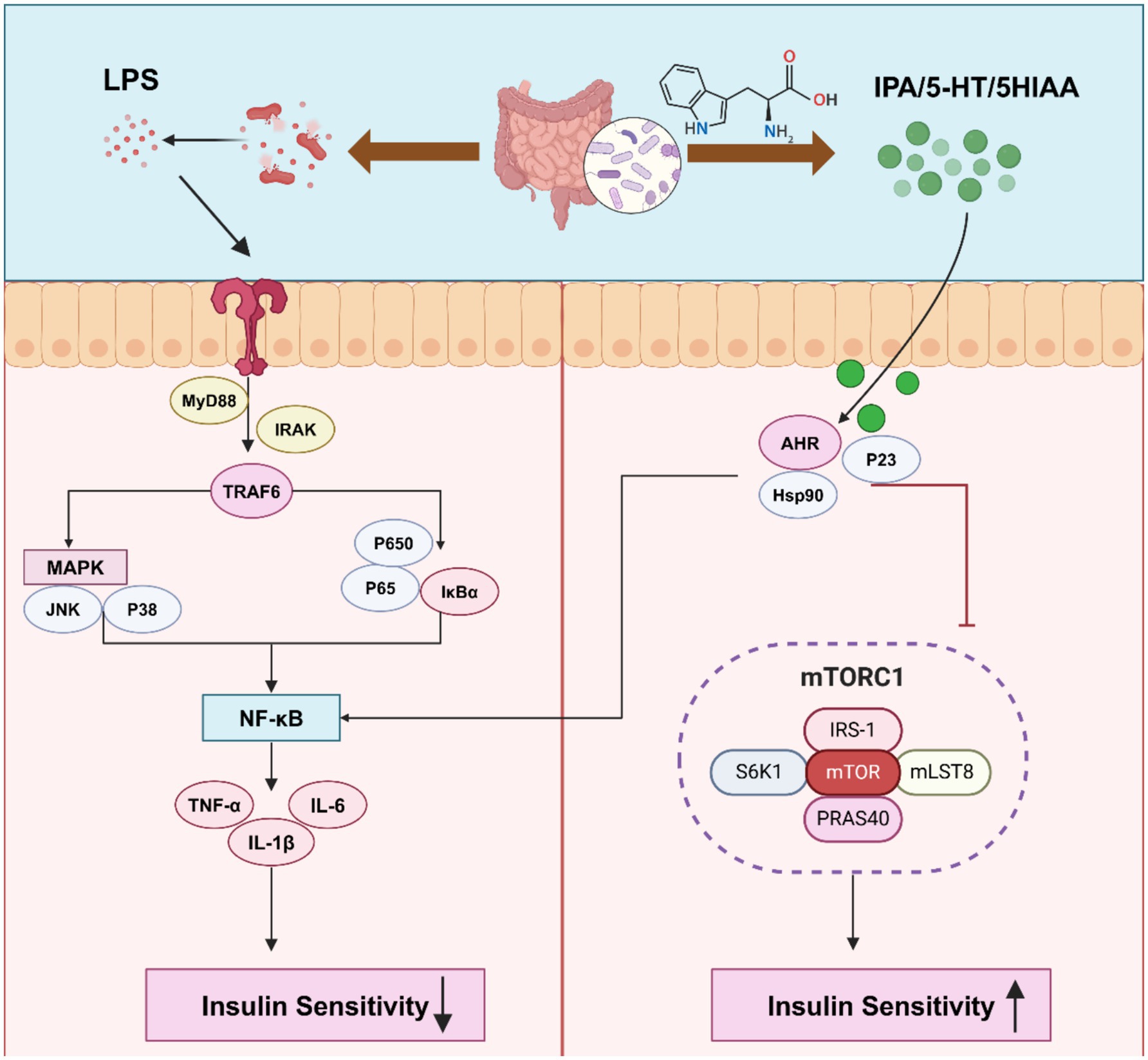
Metabolites can regulate insulin sensitivity directly by modulating components of the insulin signalling pathway, such as insulin receptor substrates (IRSs) and AKT, and indirectly by altering the ...
Metabolites can regulate insulin sensitivity directly by modulating components of the insulin signalling pathway, such as insulin receptor substrates (IRSs) and AKT, and indirectly by altering the flux of substrates through multiple metabolic pathways, including lipogenesis, lipid oxidation, protein synthesis and degradation and hepatic ...

This particular example perfectly highlights why Produces Metabolites That Regulate Insulin Sensitivity is so captivating.
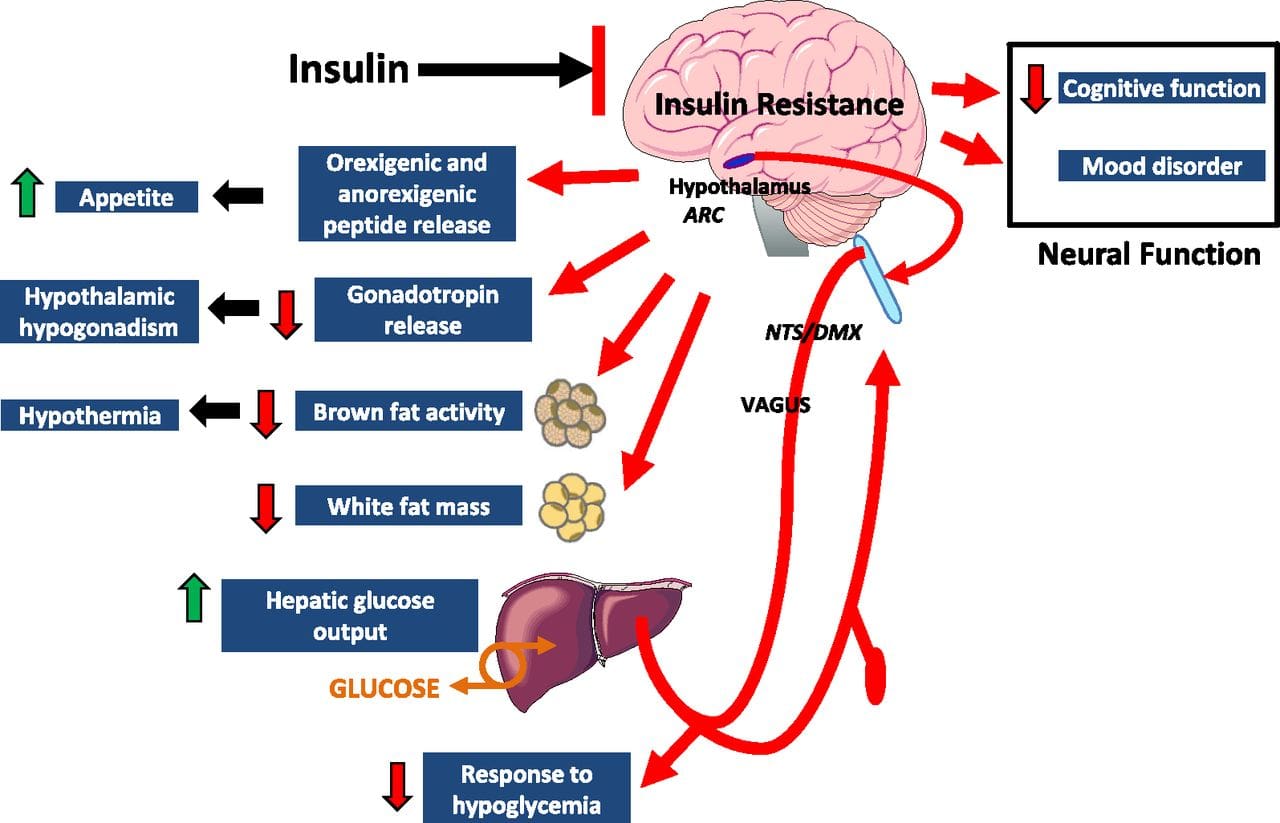
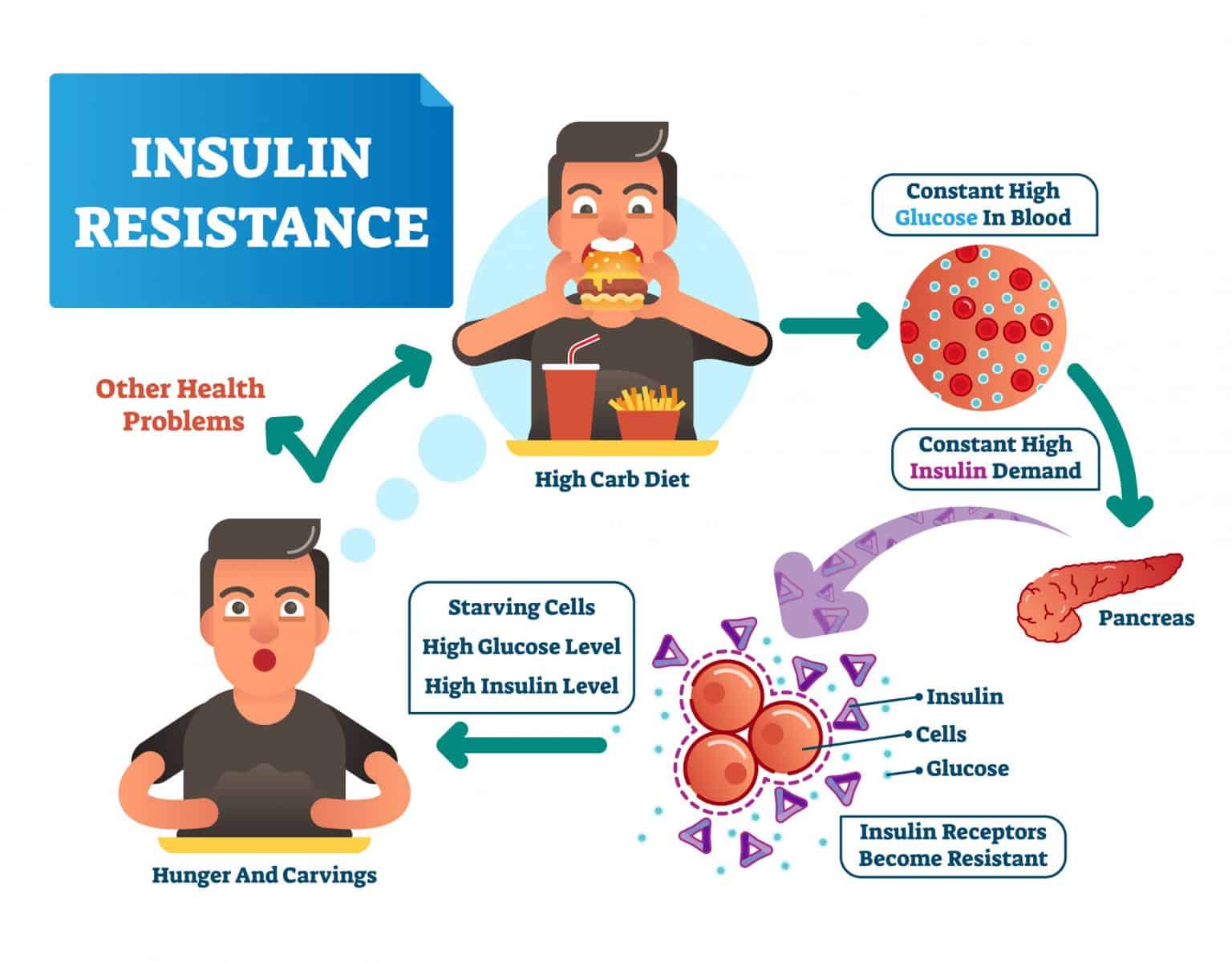
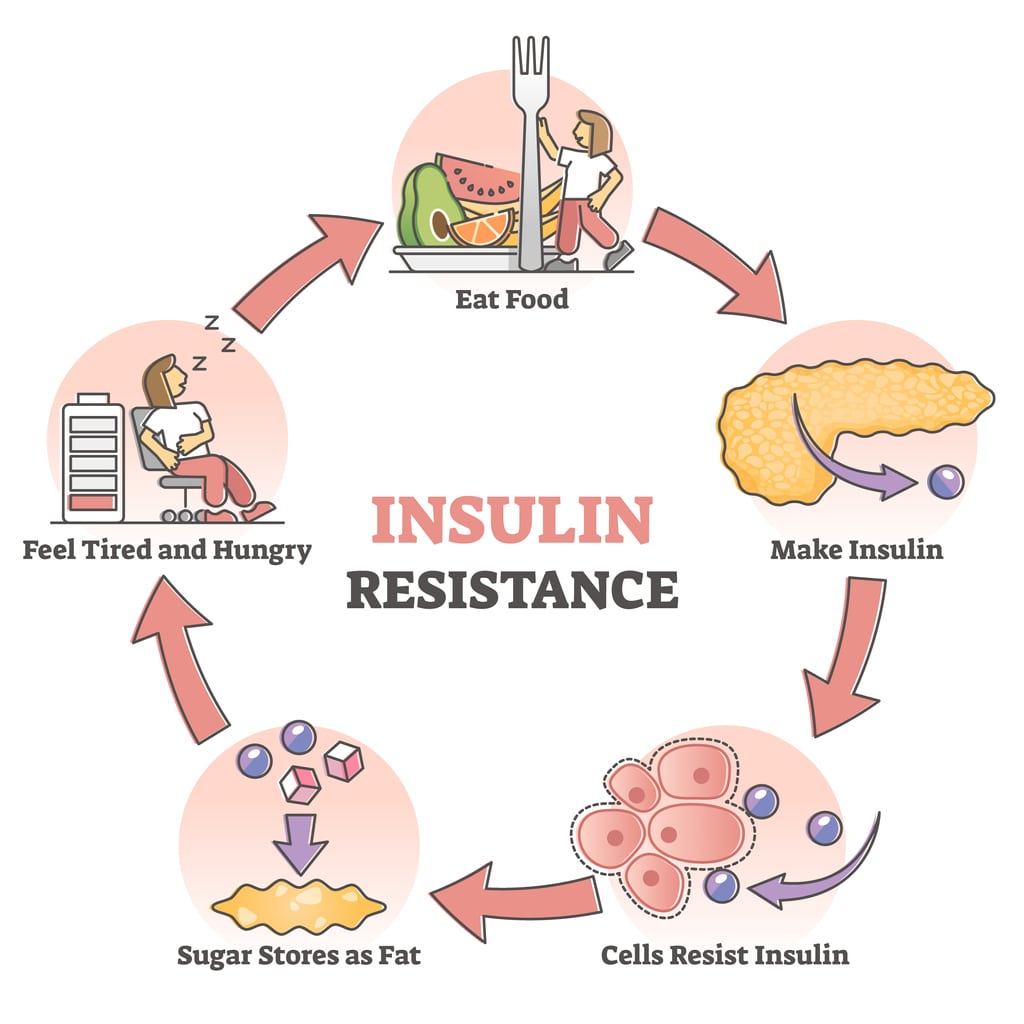
Mechanisms of Insulin Action and Insulin Resistance
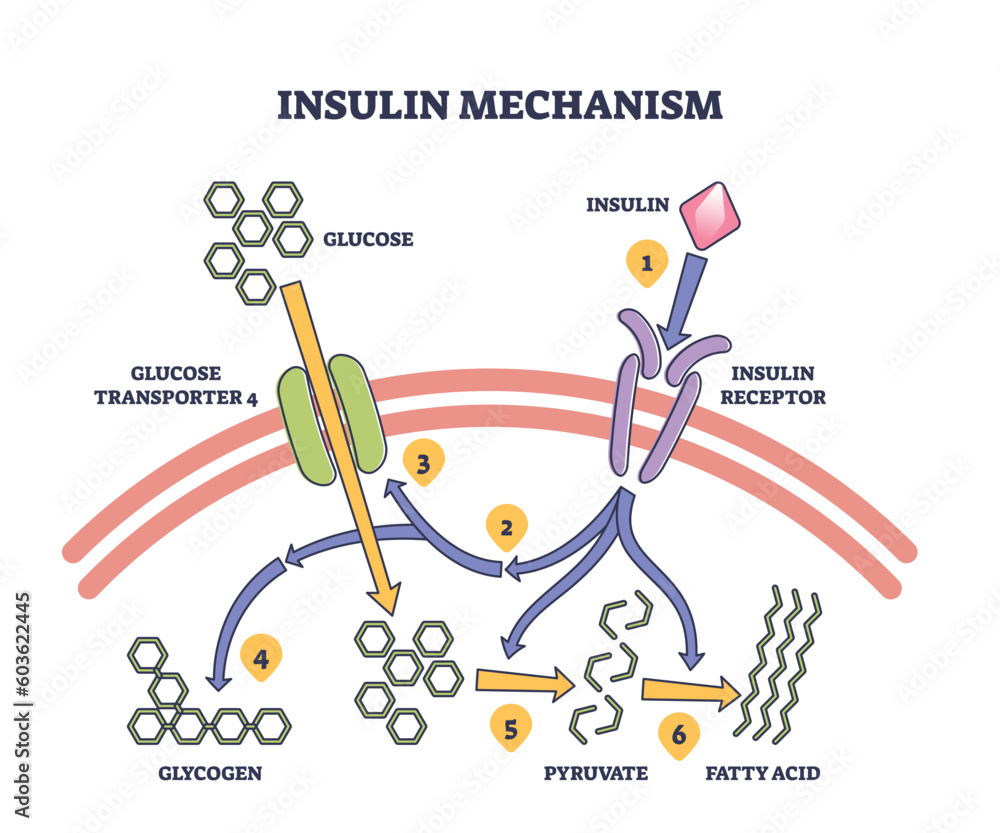
The insulin concentrations necessary to stimulate metabolic responses are lower than those needed for mitogenic responses; this relationship is reversed for the IGF-1 receptor (41). This review focuses on the INSR-activated pathways that regulate metabolism.
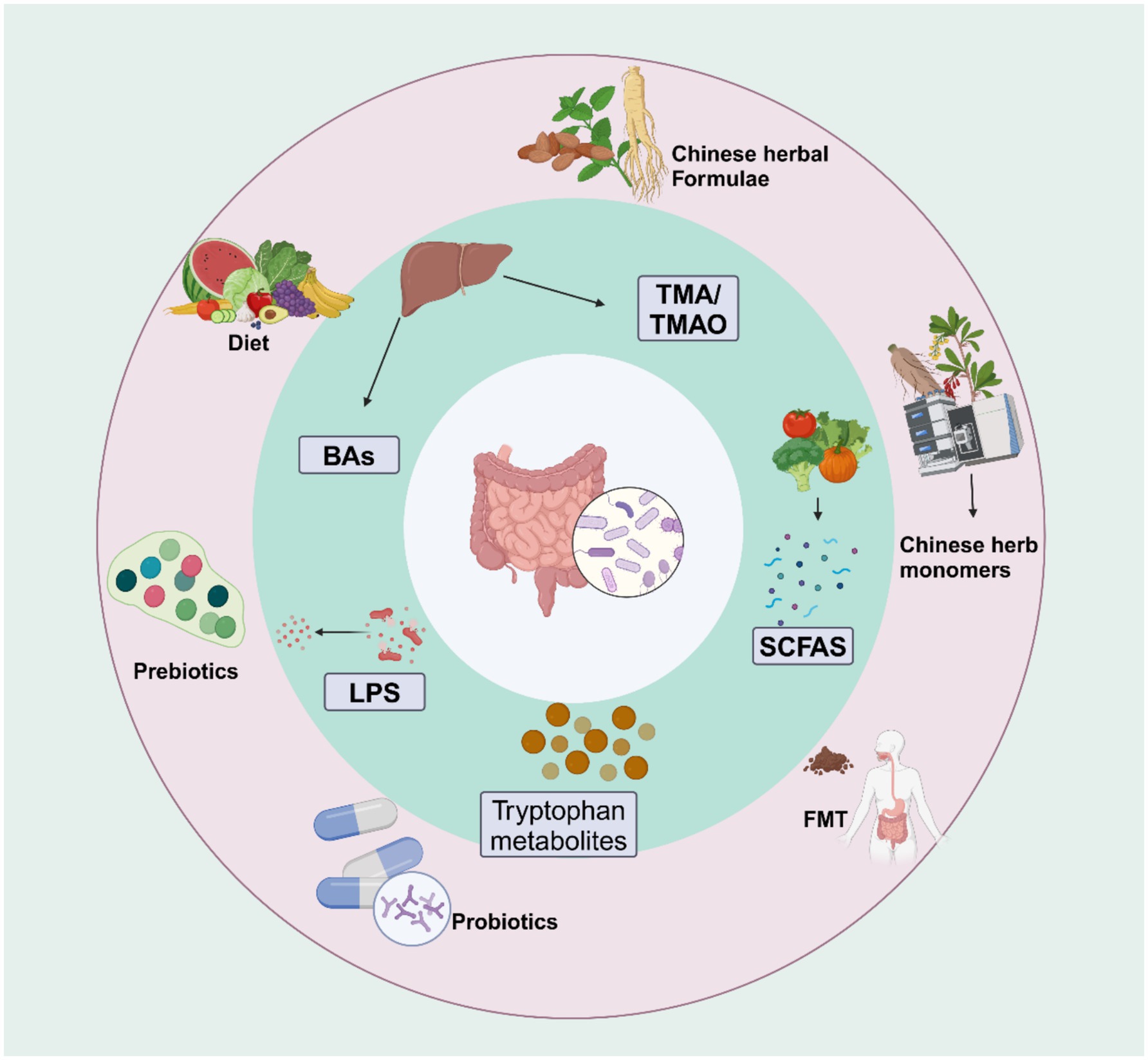
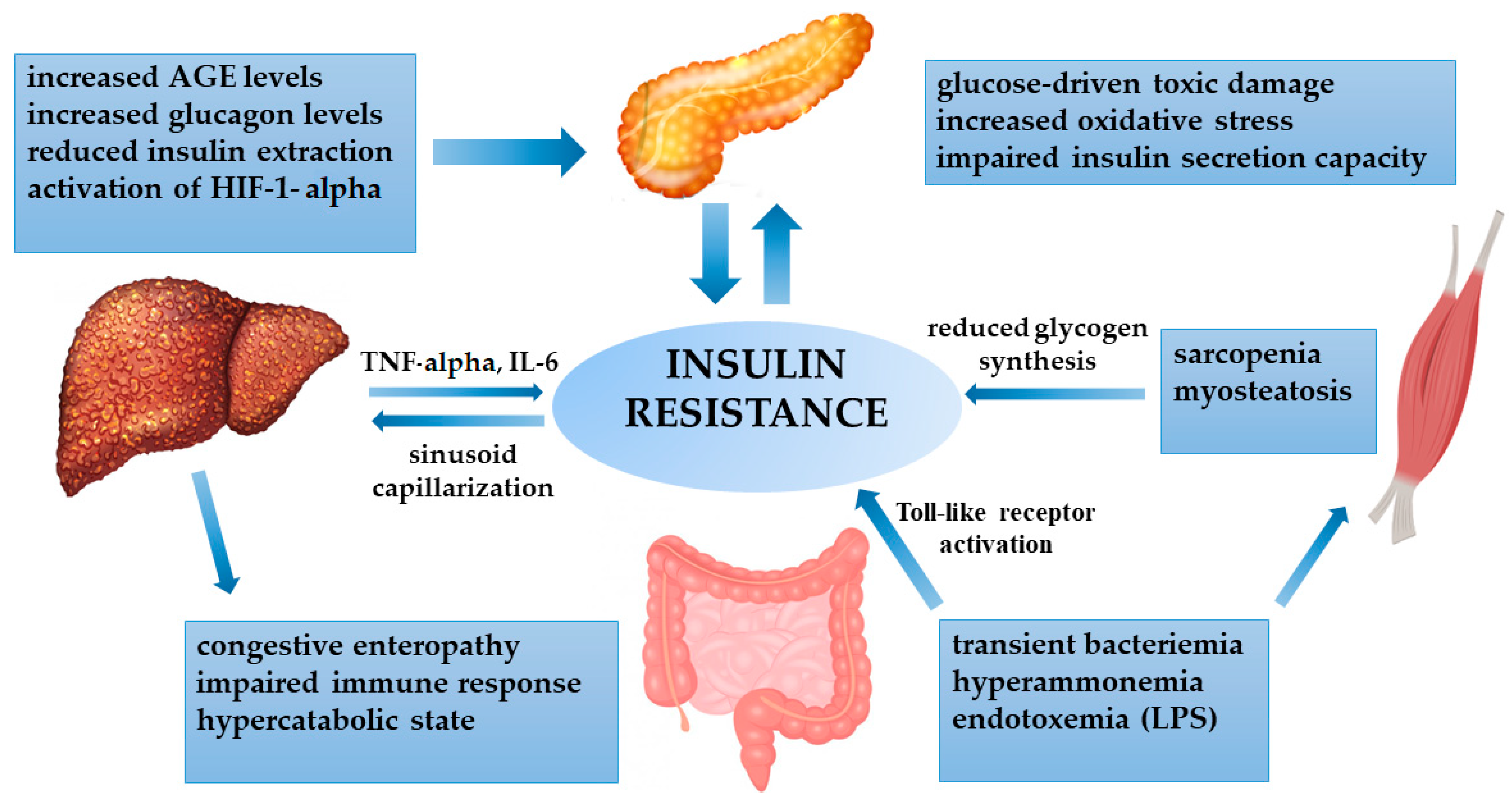
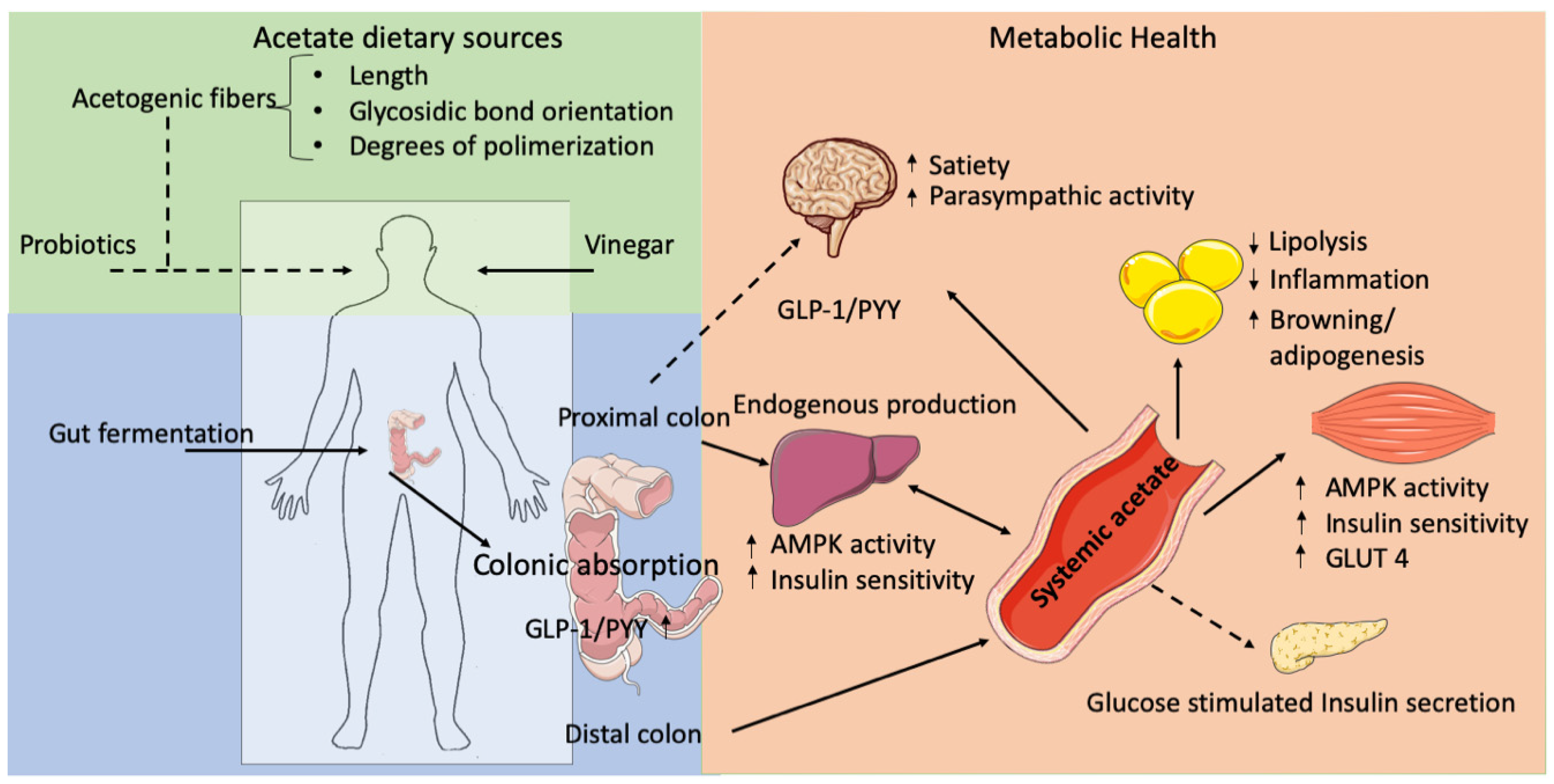
These bacterial metabolites and postbiotics influence insulin secretion and insulin clearance in part by altering endocrine responses such as glucagon-like peptide-1. Gut-derived bacterial factors can promote inflammation and insulin resistance, but other postbiotics can be insulin sensitizers.
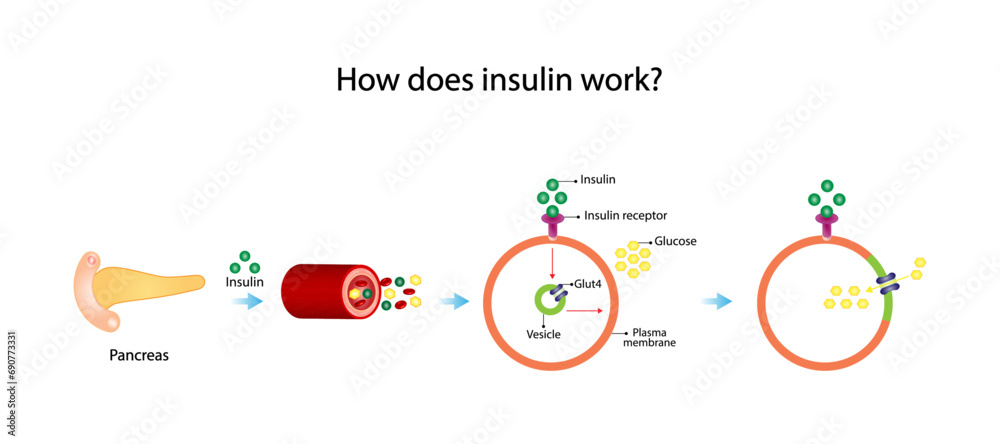
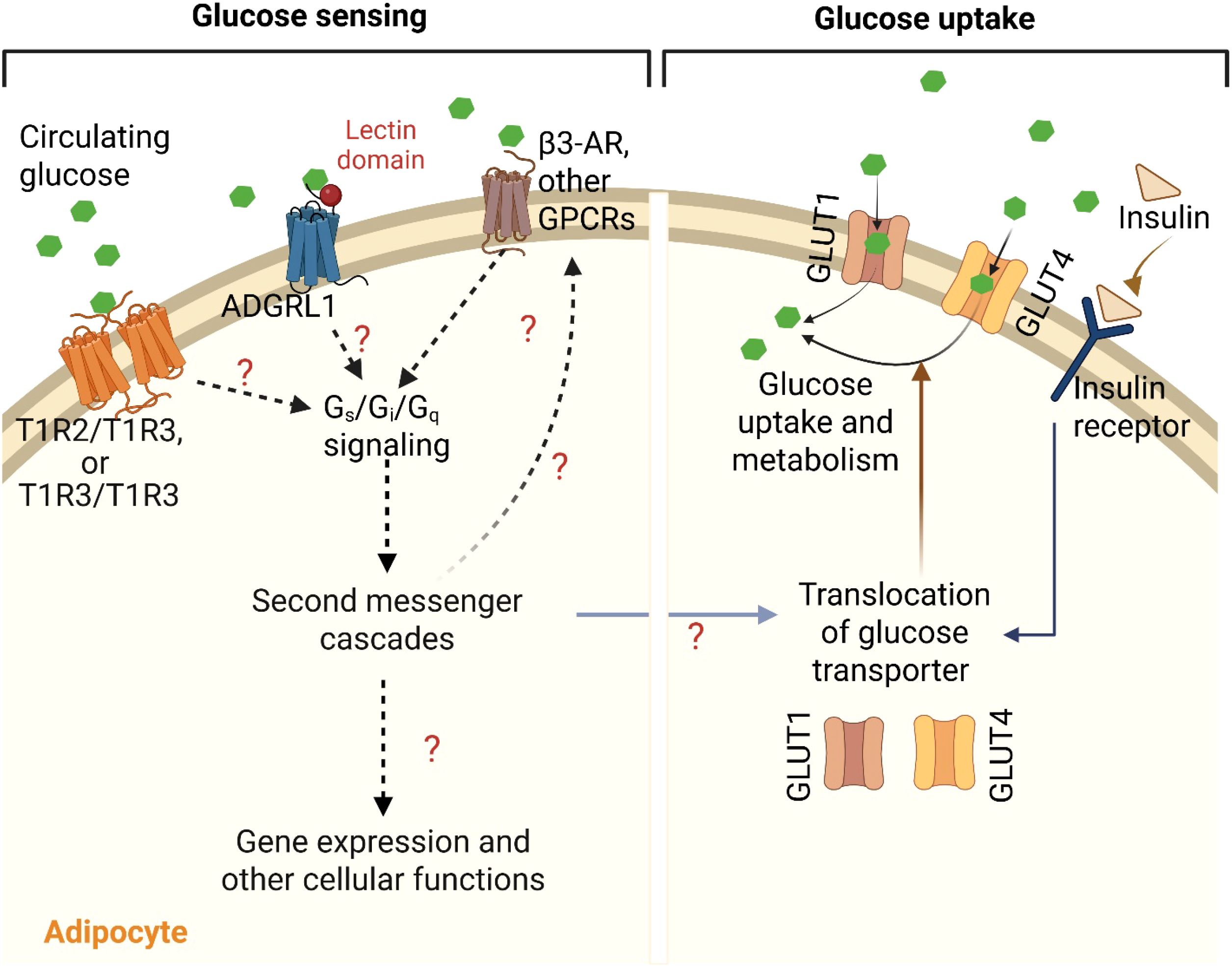
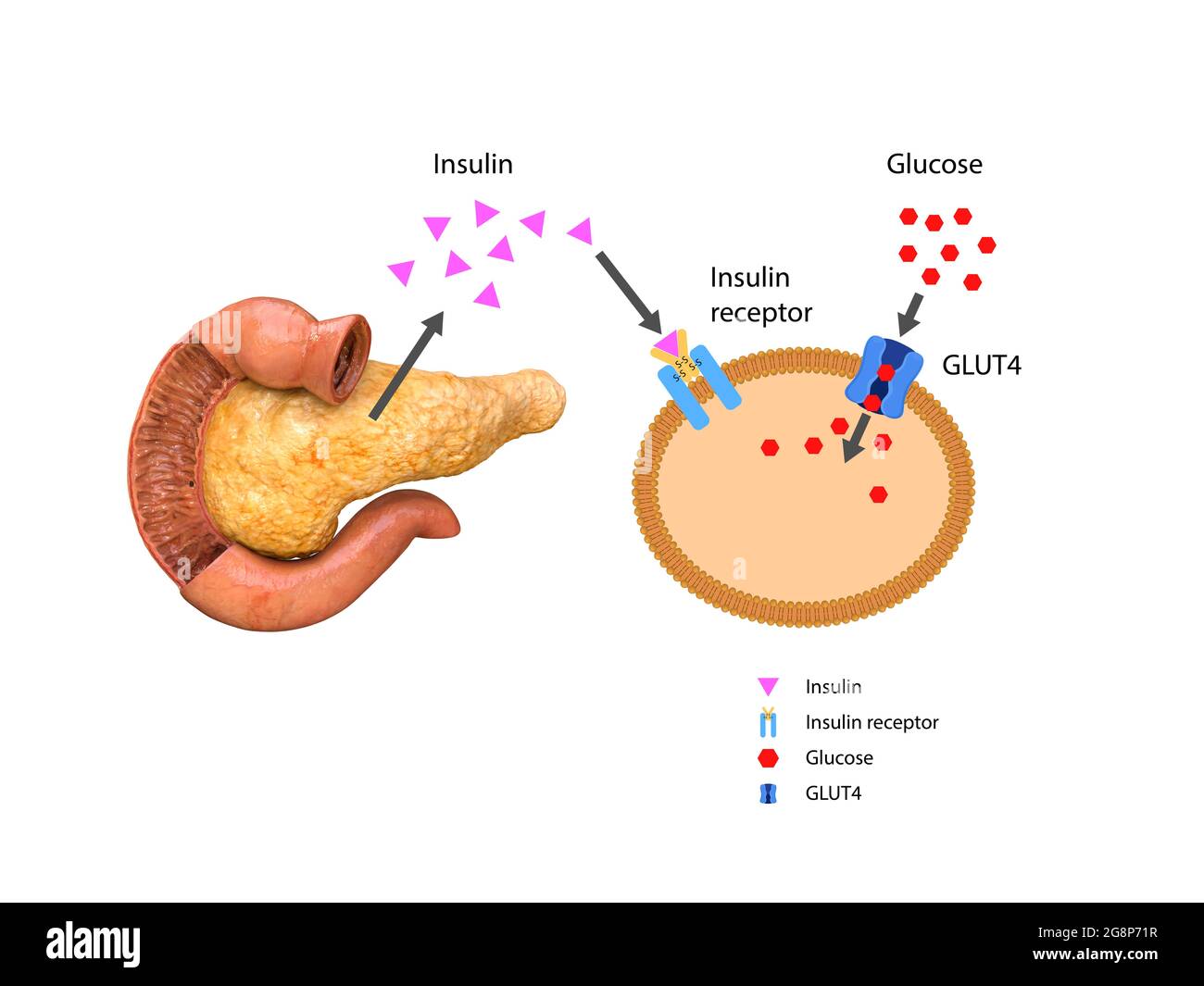
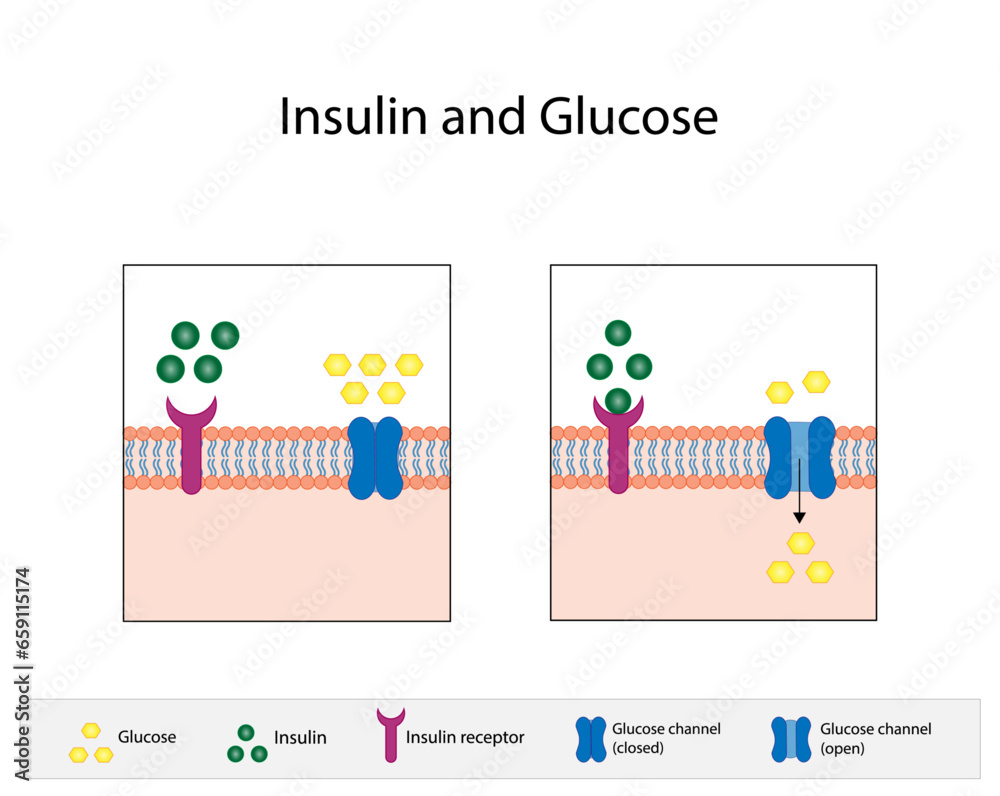
Insulin signalling is a central regulator of metabolism, orchestrating nutrient homeostasis and coordinating carbohydrate, protein and lipid metabolism. This network operates through dynamic ...
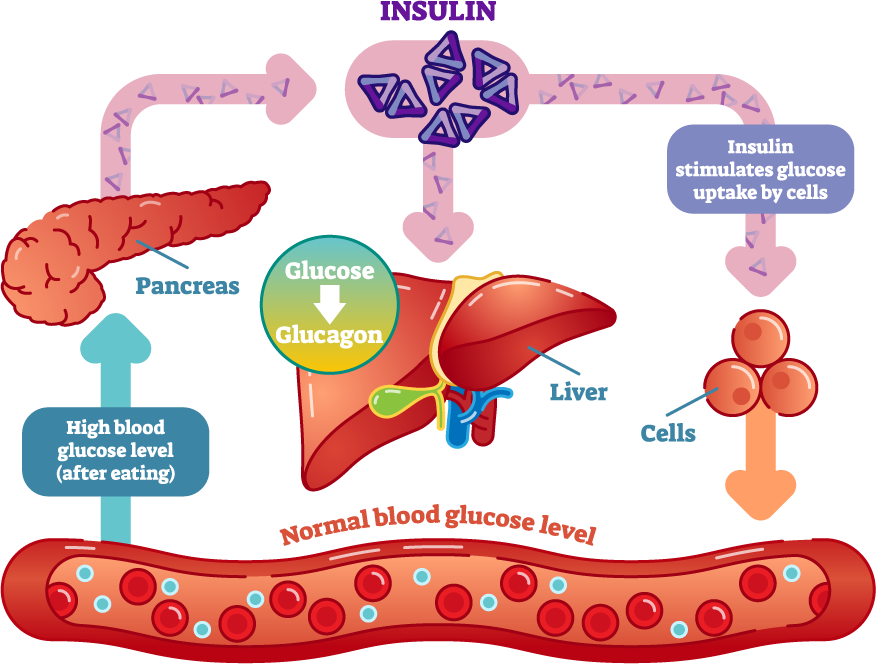
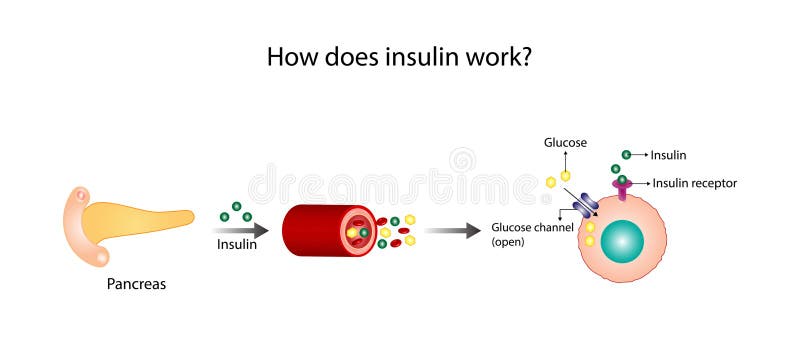
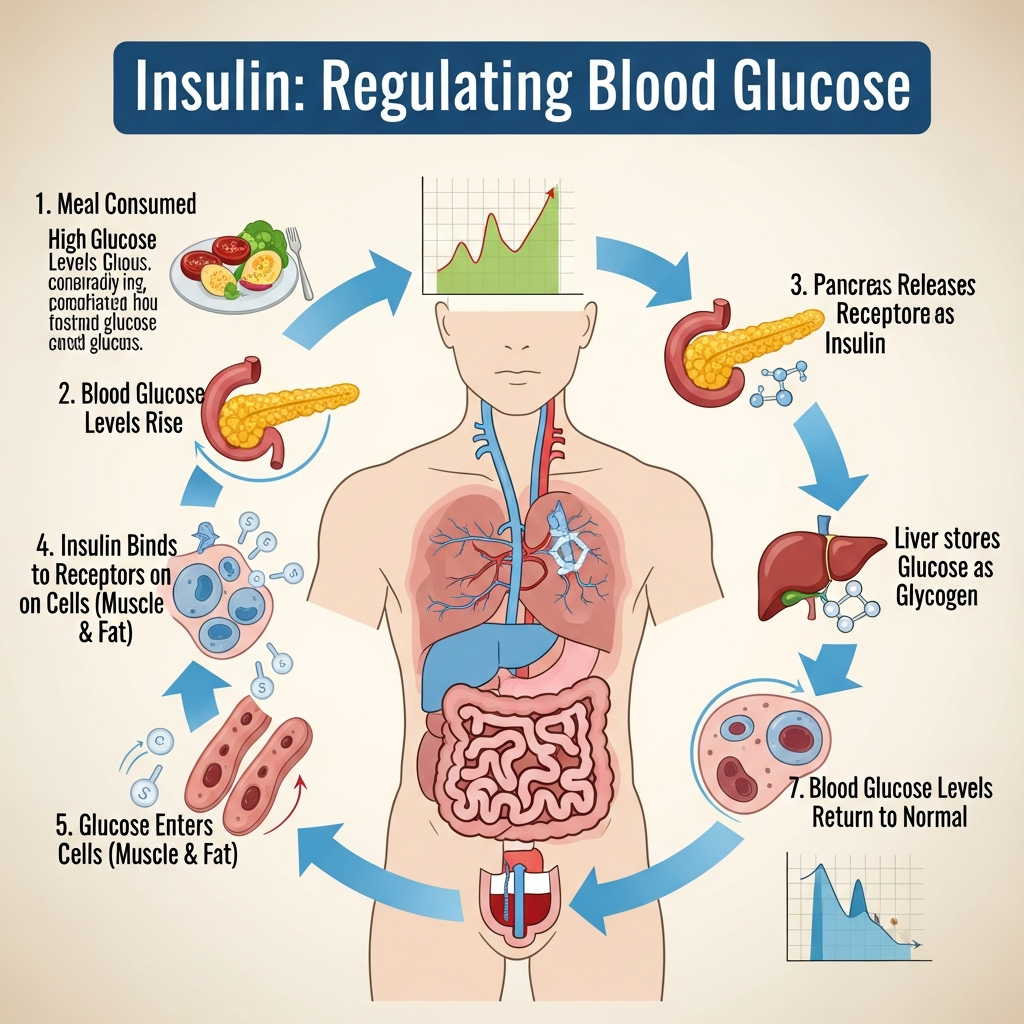
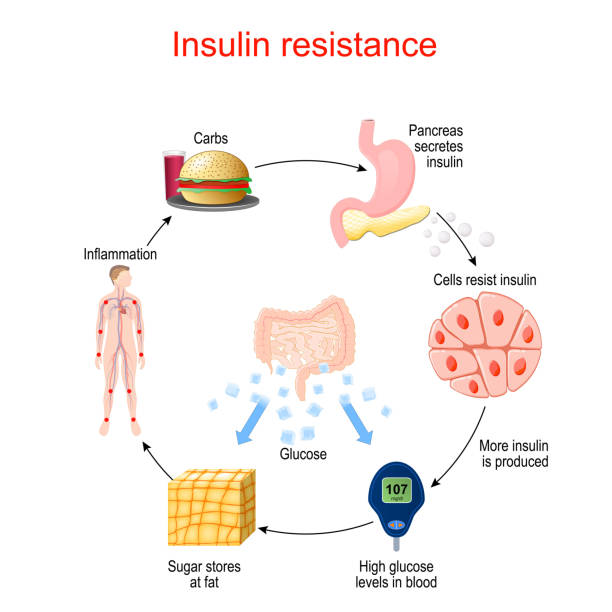
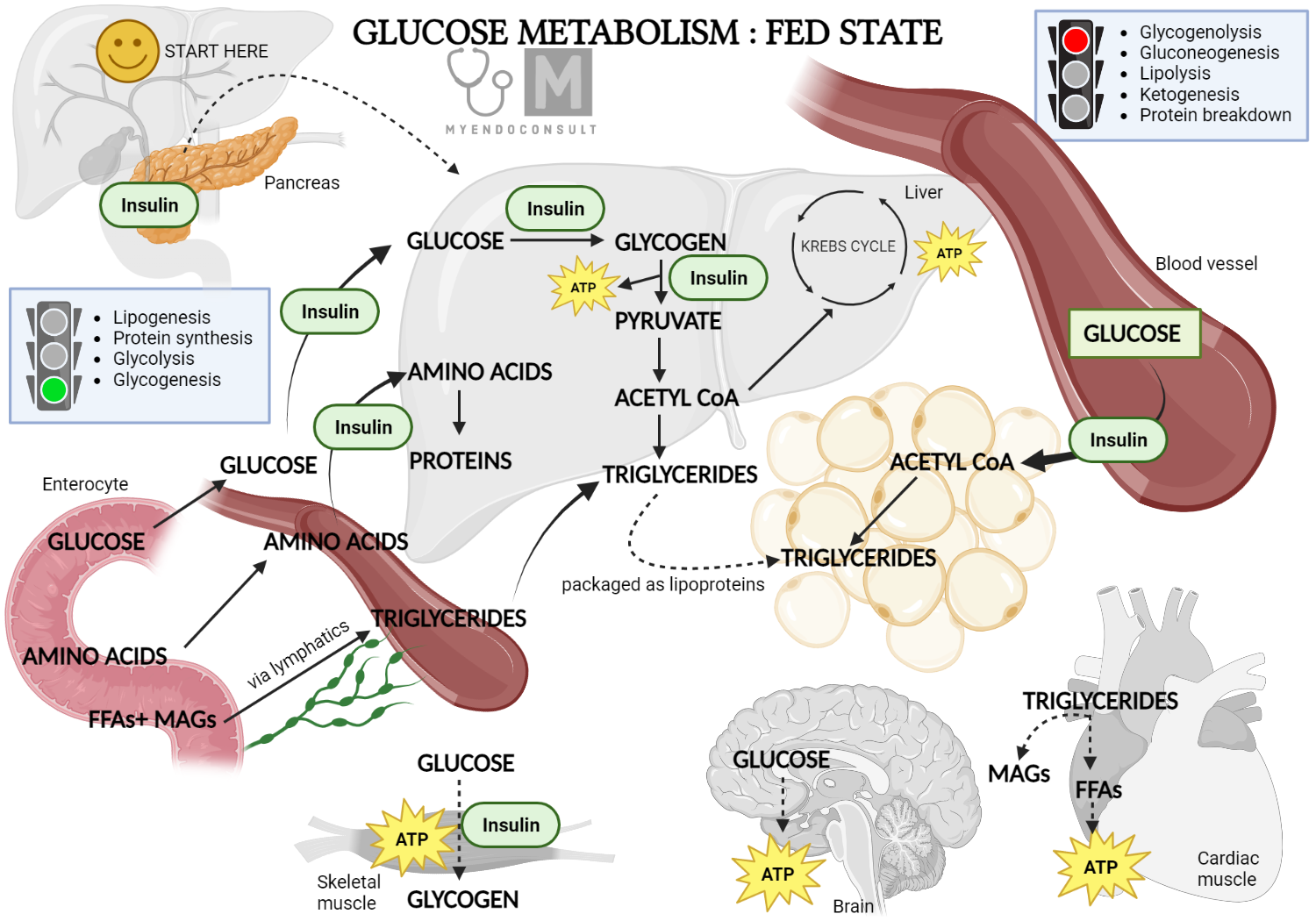
Insulin is the master regulator of glucose, lipid, and protein metabolism. Following ingestion of an oral glucose load or mixed meal, the plasma glucose concentration rises, insulin secretion by the beta cells is stimulated and the hyperinsulinemia, working in concert with hyperglycemia, causes: (i) suppression of endogenous (primarily reflects hepatic) glucose production, (ii) stimulation of ...